Fadnavis calls Rahul Gandhi 'most rejected maal' in Indian politics
Synopsis
Maharashtra CM Devendra Fadnavis fired back at Rahul Gandhi with a blunt 'most rejected maal' jibe after Gandhi used an X post to call PM Modi's appeal for economic sacrifices 'evidence of failure'. The exchange lays bare a sharper political battle over who bears accountability for India's economic pressures amid the global energy crisis.
Key Takeaways
Maharashtra CM Devendra Fadnavis called Rahul Gandhi the "most rejected maal" in Indian politics on 11 May .
Rahul Gandhi had posted on X calling PM Modi's economic appeal "evidence of failure" after over 12 years in power.
PM Modi urged citizens at a BJP rally in Hyderabad to avoid gold purchases and foreign travel for one year to conserve foreign exchange.
Modi framed the appeal as "economic patriotism" amid the West Asia conflict , rising energy prices, and supply-chain disruptions.
The BJP and Congress are sharply divided over government accountability for India's economic pressures during the global crisis.
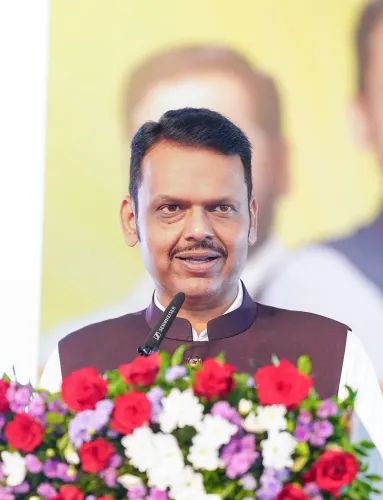
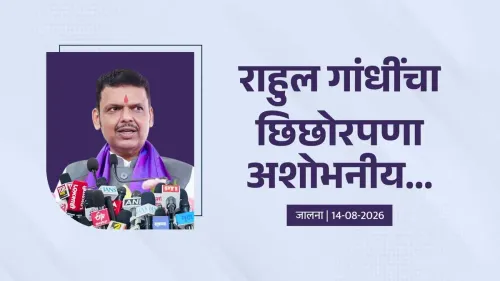
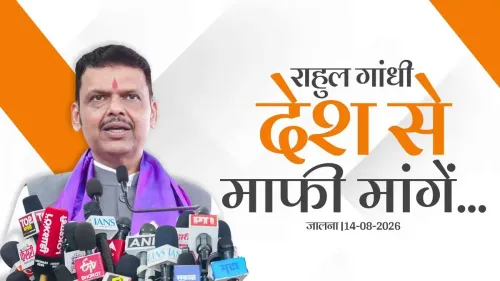
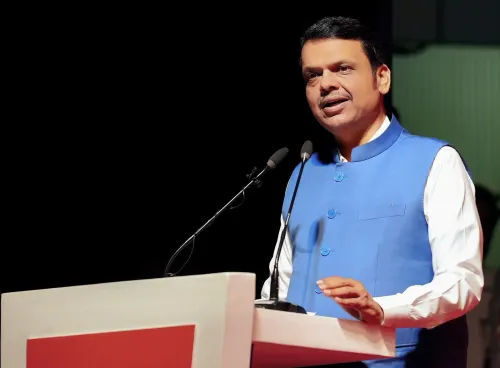
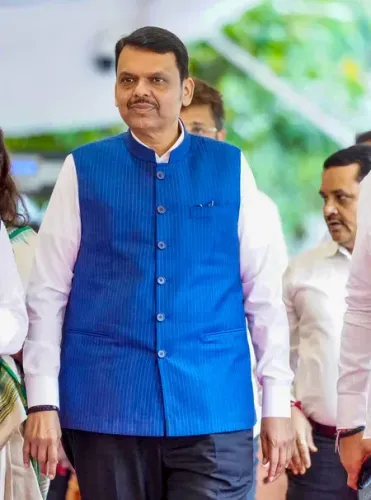
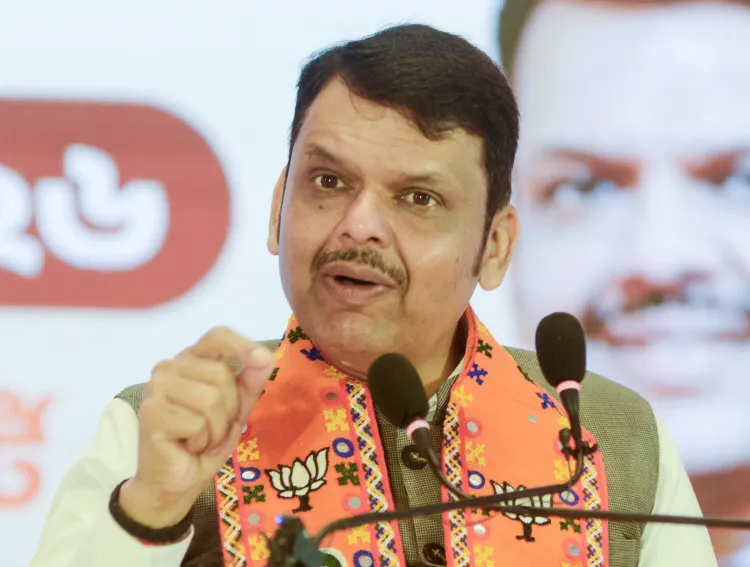
Maharashtra Chief Minister Devendra Fadnavis on Monday launched a sharp attack on Congress leader and Leader of Opposition in Lok Sabha Rahul Gandhi, calling him the "most rejected maal" in Indian politics. The remarks came in response to Gandhi's criticism of Prime Minister Narendra Modi's appeal to citizens to cut fuel use, avoid gold purchases, and postpone foreign travel amid global economic pressures.
What Fadnavis Said
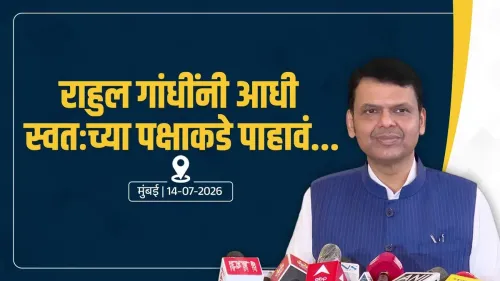
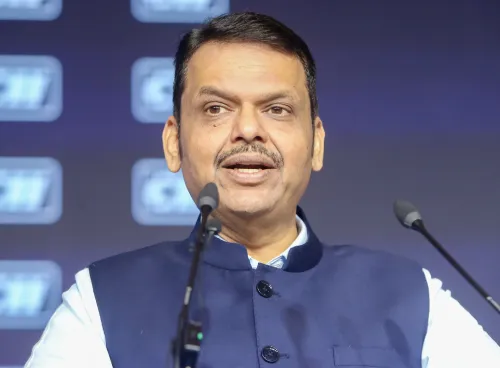
Speaking to reporters in New Delhi on 11 May, Fadnavis said, "Rahul Gandhi is the most 'rejected maal' in Indian politics. Rejected by all, rejected always, and rejected in every state... The country stands with PM Modi; the country stands behind PM Modi. The country repeatedly blesses PM Modi."
The remarks were a direct rebuttal to Gandhi's public criticism of the Prime Minister's economic appeal, which the Congress leader had posted on social media platform X.
Rahul Gandhi's Criticism of PM Modi
Gandhi, in his post on X, said, "Yesterday, Modi Ji called upon the public to make sacrifices—do not buy gold, do not travel abroad, consume less petrol, cut down on fertilisers and cooking oil, take the Metro, and work from home. These are not words of counsel; they are evidence of failure."
He further argued that over 12 years, the country had been brought to a state where the public must be told what to buy and where to go. "Time and again, they shift the responsibility onto the public simply to evade their own accountability. Running the country is no longer within the capability of a 'Compromised PM'," Gandhi said.
PM Modi's Economic Patriotism Appeal
The political exchange was triggered by PM Modi's address at a BJP rally in Hyderabad on Sunday, where he urged citizens to avoid buying gold for a year and postpone foreign travel to conserve foreign exchange. "We have to save foreign exchange by any means," the Prime Minister said.
Modi framed the appeal as part of a broader push for "economic patriotism", encompassing reduced fuel consumption, greater use of public transport, work-from-home arrangements, natural farming, and support for swadeshi products. The appeal comes amid rising energy prices, West Asia conflict, and supply-chain disruptions placing pressure on import-dependent economies like India.
Political Context
The sharp exchange reflects the deepening political divide over India's economic management at a time of global uncertainty. The Bharatiya Janata Party (BJP) has consistently sought to position Modi as a unifying national figure, while the Indian National Congress (INC) has used economic indicators to challenge the government's record. This is not the first time Fadnavis has targeted Gandhi with pointed language — the Maharashtra CM has been among the BJP's most vocal critics of the Congress leader.
With global energy markets remaining volatile and foreign exchange conservation emerging as a stated policy priority, the political debate over who bears responsibility for economic hardship is likely to intensify in the weeks ahead.
Point of View
However, lands on a real question: when a government asks citizens to cut gold, fuel, and foreign travel, it implicitly acknowledges economic stress that official data has been slow to reflect. The Modi appeal for 'economic patriotism' is politically risky precisely because it inverts the BJP's own narrative of a strong, self-reliant India. Whether voters read it as responsible statesmanship or an admission of vulnerability may define the political weather heading into the next electoral cycle.
NationPress
24 Sept 2026
Frequently Asked Questions
What did Devendra Fadnavis say about Rahul Gandhi?
Maharashtra Chief Minister Devendra Fadnavis called Rahul Gandhi the 'most rejected maal' in Indian politics on 11 May, saying Gandhi has been "rejected by all, rejected always, and rejected in every state." The remarks were made in response to Gandhi's criticism of PM Modi's economic appeal to citizens.
Why did Rahul Gandhi criticise PM Modi?
Rahul Gandhi criticised PM Modi after the Prime Minister urged citizens to avoid buying gold, reduce foreign travel, and cut fuel consumption to conserve foreign exchange. Gandhi posted on X calling these appeals "evidence of failure" and argued the government was shifting responsibility onto the public to evade accountability.
What did PM Modi appeal for at the Hyderabad rally?
At a BJP rally in Hyderabad on Sunday, PM Modi urged citizens to postpone gold purchases and foreign travel for one year to conserve foreign exchange. He framed the appeal as 'economic patriotism' amid global pressures including the West Asia conflict, rising energy prices, and supply-chain disruptions.
Why is India concerned about foreign exchange conservation?
India is facing pressure on its foreign exchange reserves due to rising global energy prices, the West Asia conflict, and supply-chain disruptions that affect import-dependent economies. PM Modi's appeal is aimed at reducing non-essential outflows such as gold imports and overseas travel spending.
What is the broader political significance of this exchange?
The sharp exchange between Fadnavis and Gandhi reflects a deepening BJP-Congress divide over economic management and accountability. The BJP is positioning Modi as a unifying national leader, while Congress is using the government's own economic appeals to argue that its 12-year record has left India vulnerable to global shocks.