Did Pakistan Seek US Assistance During Operation Sindoor Due to Fears of Indian Strikes?
Click to start listening
Synopsis
In a stunning revelation, documents show that Pakistan sought US help during India's Operation Sindoor, fearing a potential resumption of military action. Explore the implications of this admission and how it contrasts with Pakistan's public narrative.
Key Takeaways
- Pakistan sought US assistance during Operation Sindoor due to fears of renewed military action from India.
- FARA documents reveal Islamabad's lobbying efforts and its contradictory messaging.
- Operation Sindoor was a response to a terrorist attack, resulting in significant military outcomes.
- India maintained a strong stance against terrorism, reaffirming its commitment to national security.
- The ceasefire request came from Pakistani military commanders, not India.
New Delhi, Jan 7 (NationPress) During India's Operation Sindoor, Pakistan urgently sought aid from the United States, apprehensive that the military campaign was merely "on hold" and could restart, according to new filings from the US government obtained by NDTV. The revelations shed light on Islamabad's misinformation strategy, directly contradicting its assertions that India initiated a ceasefire.
A document under the FARA (US Foreign Agents Registration Act) distributed by Squire Patton Boggs, a lobbying firm advocating for Pakistan, clearly articulates, "We are concerned that PM Modi has indicated India has only paused its military operations, suggesting attacks on Pakistan could recommence." This statement highlights Islamabad's trepidation following substantial strikes aimed at terror camps and airbases.
The FARA law mandates that individuals or entities acting on behalf of foreign principals (including governments, political parties, or individuals) publicly disclose their affiliations, activities, and financial details to the Department of Justice (DOJ).
Moreover, the filings underscore Pakistan's vigorous lobbying efforts in Washington. Following the Pahalgam incident, Pakistani diplomats and defense officials engaged in more than 50 high-level meetings with US lawmakers, administration representatives, and media personalities, as reported by NDTV on January 6.
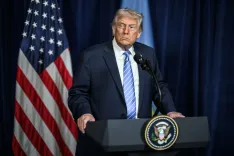
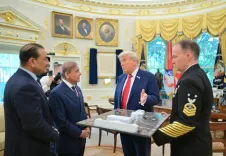
Additional documents affirm that India never requested US mediation or discussed a ceasefire during its dealings in the US, debunking former US President Donald Trump's repeated claims of facilitating a truce.
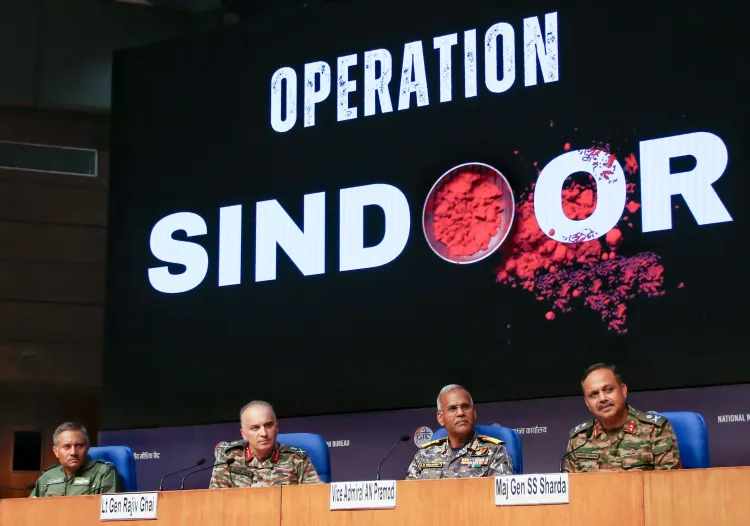
Operation Sindoor, which commenced on May 7, 2025, was India's decisive reaction to the horrific Pahalgam terror attack on April 22, in which Pakistan-supported militants killed 26 innocent civilians, primarily tourists, in Jammu and Kashmir.
The operation successfully neutralized over 100 terrorists in precise strikes deep within Pakistani territory, culminating in a brief but intense four-day conflict that concluded with a ceasefire on May 10.
Contrary to Pakistan's narrative that New Delhi requested a truce, the documents and sources indicate that the ceasefire initiative originated from Pakistani military leaders.
Faced with the extensive damage inflicted—despite being outclassed by India's superior military—Islamabad urgently sought intervention from President Donald Trump.
During a parliamentary session in May, Prime Minister Narendra Modi emphatically stated that Operation Sindoor was "merely suspended," issuing a warning: "If Pakistan provokes again, it will encounter a fitting and formidable response. Operation Sindoor remains active and unwavering." This message was reiterated during a parliamentary address in July.
These disclosures reveal Pakistan's hypocrisy; while spreading falsehoods domestically and abroad, its own lobbyists acknowledged their vulnerabilities. As India upholds a policy of zero tolerance towards terrorism, these documents reinforce New Delhi's commitment to safeguarding national security without external influence.
Point of View
It's essential to underline the need for transparency and accountability in international relations. The revelations from the FARA documents highlight the complexities of geopolitical dynamics in South Asia. While Pakistan seeks to portray itself as a victim, the reality is much more nuanced. Our commitment should always lean towards fostering peace and security in the region, ensuring that narratives are grounded in truth.
NationPress
08/01/2026
Frequently Asked Questions
Why did Pakistan seek US help during Operation Sindoor?
Pakistan feared that India's military actions could resume after a temporary pause, prompting them to approach the US for assistance.
What is Operation Sindoor?
Operation Sindoor was India's military response to a terrorist attack in Pahalgam in April 2025, targeting terrorist camps in Pakistani territory.
What do the FARA documents reveal?
The FARA documents expose Pakistan's lobbying efforts in the US and contradict its claims about India's military intentions.
Did India request US mediation for a ceasefire?
No, the documents confirm that India did not seek US mediation or discuss a ceasefire during its engagements.
What was the outcome of Operation Sindoor?
The operation successfully neutralized over 100 terrorists and ended with a ceasefire after four days of intense conflict.