PoK unrest: Pakistan deploys drones, heavy weapons as crackdown escalates
Synopsis
Pakistan's crackdown on a four-month-old civilian uprising in PoK has entered dangerous new territory — drones targeting homes, fresh heavy-weapons consignments, and a complete media blackout. With UN human rights experts questioning Islamabad's move to brand protest leaders as terrorists, and students from Muzaffarabad now joining the streets, what began as a demand for basic amenities has become a full-blown people's movement that Pakistani forces appear unable to contain.
Key Takeaways
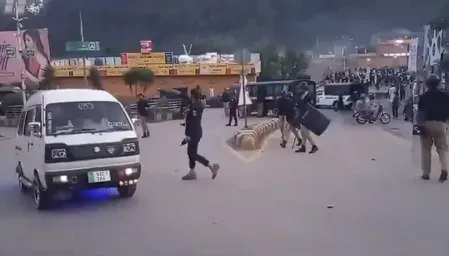
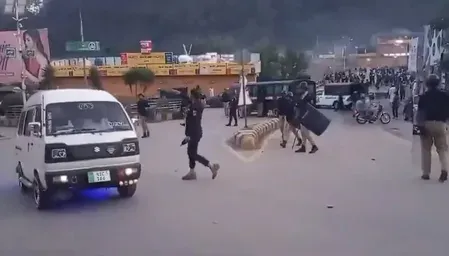
Pakistani forces have reportedly begun using drones to target residential complexes and protest sites in PoK , following the failure of tear gas, firing, and lathi charges.
Fresh consignments of heavy weapons are being moved into the region, with officials warning of a high likelihood of mass casualties targeting civilians.
Protests have spread from Rawalakot to the capital Muzaffarabad , with students from Chehla University and Jamia Kashmir Muzaffarabad joining the JAAC -led agitation.
Pakistan has imposed a complete media blackout on PoK; no domestic news outlet is reportedly covering the unrest.
Six UN human rights experts have questioned Pakistan's decision to designate the JAAC as a proscribed terrorist organisation.
An alleged sabotage attempt — in which three plain-clothes security personnel reportedly tried to open fire at a protest site — was thwarted by demonstrators.
Pakistan-occupied Kashmir (PoK) is facing a sharp escalation in state violence, with Pakistani security forces reportedly deploying drones to target private homes and moving fresh consignments of heavy weapons into the region, as protests demanding basic amenities and fundamental rights enter their fourth month with no sign of abating. Officials warned on 6 November that the developments point to a looming large-scale offensive, with civilians at grave risk.
From Tear Gas to Drones: The Escalating Crackdown
Earlier attempts by Pakistani forces to suppress the protests — including tear gas, live firing, and lathi charges — failed to deter demonstrators, according to officials. Rather than subduing the agitation, those measures reportedly hardened public resolve and drew more people into the streets.
Forces have now allegedly turned to drone strikes near protest sites and on residential complexes. 'The use of drones on residential complexes is a dangerous escalation in PoK. It indicates that the security forces are ready to kill innocent people so that this could drive fear in the minds of the protesters,' an official said.
An Intelligence Bureau official further warned that the combined deployment of drones and new heavy-weapons consignments signals 'a clear sign that there would be a major escalation in violence,' with 'every likelihood of mass casualties, with civilians being the main target.'
A People's Movement Beyond Rawalakot
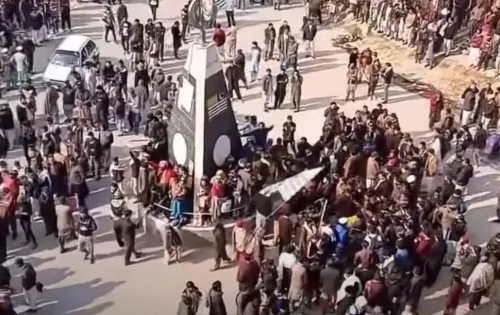
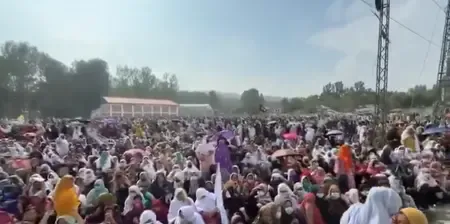
The protests, initially led by advocacy coalition Joint Action Awami Committee (JAAC), have evolved into a broader popular movement that has spread from Rawalakot to the regional capital Muzaffarabad. Students from Chehla University and Jamia Kashmir Muzaffarabad have now joined the agitation, expressing solidarity with protesters facing the security crackdown.
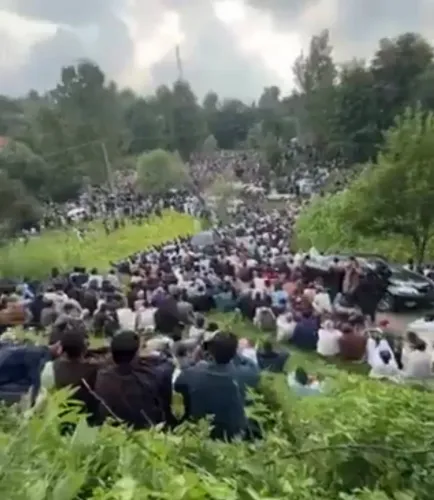
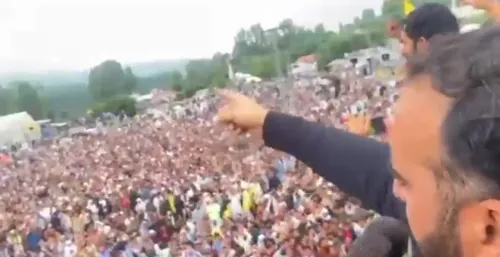
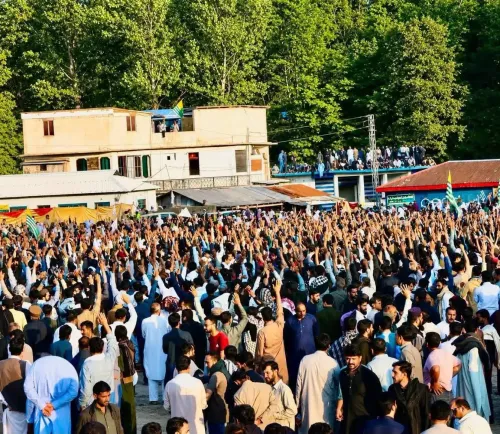
'Not only does it signal how wide the protests are reaching, but it is also an indication that the people are not going to take things lying down,' an official said. The largest single protest site remains at D-Chowk in Rawalakot, where security deployment is at its highest — yet, reportedly, not a single protester has vacated the site.
Media Blackout and Alleged Sabotage Operations
Alongside the physical crackdown, Pakistani authorities have reportedly imposed a complete media blackout on PoK developments, with officials noting that no news outlet in Pakistan is currently reporting on the unrest. 'The establishment has further tightened restrictions on the media. Although curbs were already in place, state-fed information continued to be broadcast. However, there is now a complete blackout,' an official said.
Allegations of active sabotage operations have also surfaced. In a recent incident, three security personnel in plain clothes allegedly infiltrated a protest site and attempted to open fire on demonstrators, though protesters reportedly managed to thwart the attempt. Officials accused the establishment of deploying pro-establishment elements to infiltrate and destabilise the agitation.
UN Rights Experts Question JAAC Proscription
The situation has drawn international scrutiny. Six United Nations human rights experts have questioned Pakistan's decision to designate the JAAC as a proscribed terrorist organisation. Officials characterised the move as an attempt by Islamabad to frame its crackdown as counter-terrorism rather than a suppression of civilian protests. Unfulfilled promises made by the Pakistani establishment to JAAC have further deepened public anger, officials said.
What Comes Next
With drones deployed, heavy weapons being moved in, media access cut off, and protest sites holding firm, the situation in PoK appears to be approaching a critical inflection point. Officials cautioned that the combination of these factors points strongly toward an intensified offensive against civilian demonstrators in the days ahead.
Point of View
By most accounts, civilians demanding flour subsidies and electricity. The entry of university students into the protests is the development that should alarm Islamabad most — it historically marks the moment when a localised grievance becomes a generational rupture. With six UN experts now publicly questioning the proscription, the information blackout may be an attempt to prevent that scrutiny from widening before an offensive begins.
NationPress
6 Nov 2026
Frequently Asked Questions
Why are people protesting in Pakistan-occupied Kashmir?
Residents of PoK have been protesting for over three months over demands for basic amenities and fundamental rights, including affordable flour and reliable electricity. The movement, initially led by the Joint Action Awami Committee (JAAC), has since expanded into a broader popular uprising after the Pakistani establishment failed to fulfil promises made to protest leaders.
How has Pakistan escalated its crackdown in PoK?
After tear gas, live firing, and lathi charges failed to suppress protests, Pakistani security forces reportedly deployed drones to target private homes and protest sites. Fresh consignments of heavy weapons have also been moved into the region, and a complete media blackout has been enforced, with no Pakistani news outlet currently reporting on the unrest.
What did UN human rights experts say about the PoK situation?
Six United Nations human rights experts questioned Pakistan's decision to designate the JAAC as a proscribed terrorist organisation. Officials said the proscription was intended to provide legal justification for the use of force, framing what is essentially a civilian protest as a counter-terrorism operation.
How far have the PoK protests spread?
The protests, which began in Rawalakot, have now reached the regional capital Muzaffarabad. Students from Chehla University and Jamia Kashmir Muzaffarabad have joined the demonstrations, indicating the movement has broadened well beyond its original advocacy-group base.
What is D-Chowk in Rawalakot and why is it significant?
D-Chowk in Rawalakot is the largest and most prominent protest site in PoK. Despite the heaviest security deployment being concentrated there, officials noted that not a single protester has left the site, underscoring the depth of public defiance against the Pakistani establishment.