Palaniswami slams Tamil Nadu govt over dengue surge; 17,348 cases recorded
Synopsis
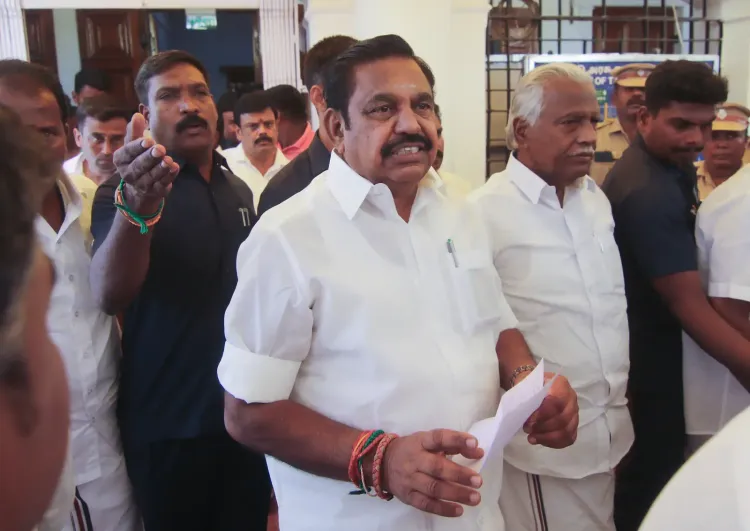
With 17,348 dengue cases logged by 21 September, AIADMK chief Edappadi K. Palaniswami has gone on the offensive — accusing Tamil Nadu's health minister of skipping a key containment meeting and dismissing a public awareness video as a substitute for ground action. The opposition's push comes at the peak of dengue season, raising urgent questions about the state's preparedness.
Key Takeaways
AIADMK General Secretary Edappadi K.
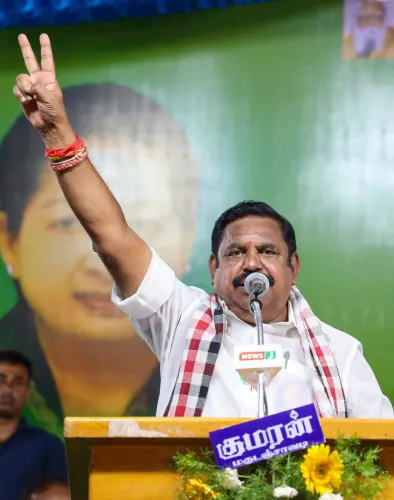
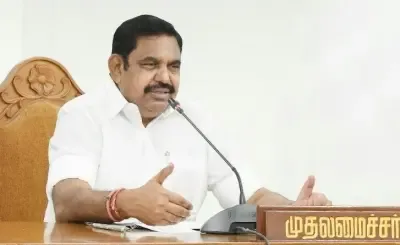
Palaniswami on 24 September 2026 accused the Tamil Nadu government of failing to contain a worsening dengue outbreak.
State health department figures cited by Palaniswami show 17,348 dengue cases and 4,653 scrub typhus cases as of 21 September .
71 dengue cases were confirmed on 21 September alone, according to his statement.
Health Minister Arunraj allegedly missed a Director of Public Health meeting on dengue containment measures.
Palaniswami disputed the minister's claim that cases are lower than in previous years, saying figures are being drawn from selectively chosen periods.
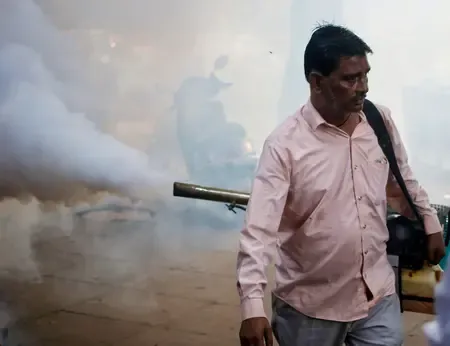
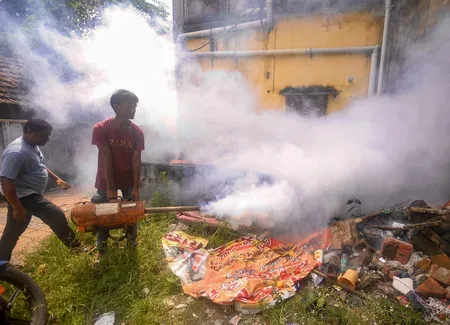
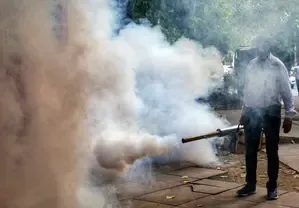
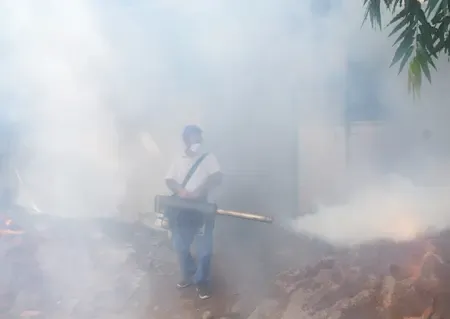
He called for emergency-level deployment of medical camps, household visits, and mosquito eradication drives across the state.
AIADMK General Secretary Edappadi K. Palaniswami on 24 September 2026 accused the Tamil Nadu government of a serious failure in containing the state's worsening dengue outbreak, warning that hospital beds are filling up and residents need immediate protection. The attack sharpens political pressure on the ruling dispensation as the state's own health department data points to a steep rise in vector-borne infections.
Key Figures and the Scale of the Outbreak
Citing health department figures, Palaniswami stated that Tamil Nadu had recorded 17,348 dengue cases and 4,653 scrub typhus cases as of 21 September. On that date alone, 71 confirmed dengue cases were reported — a figure he used to underscore the pace of transmission. He further alleged that infections had risen sharply when compared with the first 20 days of September 2025, directly contradicting the state Health Minister's assertion that case numbers were lower than in previous years.
Palaniswami's Charges Against the Health Ministry
The AIADMK leader alleged that Health Minister Arunraj had skipped a meeting chaired by the Director of Public Health convened specifically to plan containment measures. He dismissed a public awareness video released by the department as insufficient, arguing that visible, ground-level action — medical camps, household visits, and elimination of mosquito breeding sites — was the only credible response. He accused the minister of prioritising election campaigning over public health duties.
Palaniswami also alleged that the government had attempted to deflect attention from the dengue crisis by spotlighting the scrub typhus infection of a student who died at Anna University, rather than addressing broader public health concerns. He insisted both disease burdens demanded urgent and transparent official action.
Demands and Comparison With AIADMK's Record
The opposition leader urged the government to ensure that dengue patients receive timely treatment, and that hospitals are adequately stocked with medicines, beds, and doctors. He called for frequent medical camps and door-to-door visits on every street to identify and destroy mosquito breeding sites. Palaniswami cited the track record of previous AIADMK administrations, claiming that early mosquito control and sanitation drives had successfully prevented infections and deaths, and arguing that the current government should mount an emergency-level response immediately.
Government's Position and What Comes Next
Health Minister Arunraj has reportedly maintained that current dengue numbers are lower than in comparable periods in prior years, a claim Palaniswami disputes as relying on selectively chosen data. The government had not issued a formal rebuttal to Palaniswami's statement at the time of publication. This comes amid growing concerns across southern India about seasonal dengue spikes linked to erratic monsoon patterns and stagnant water accumulation in urban areas. Public health experts have consistently flagged the September–October window as peak transmission season in Tamil Nadu, making the political standoff over containment measures particularly consequential for residents.
Point of View
And the numbers cited — 17,348 cases and 71 single-day confirmations — are not trivial. What is striking is the allegation that the Health Minister skipped a dedicated containment meeting; if accurate, it signals an administrative lapse that goes beyond political rhetoric. The dispute over year-on-year comparisons is also a red flag — selective benchmarking is a well-documented way to manage public perception during health emergencies. The government's failure to issue a detailed factual rebuttal before publication only adds to the accountability gap.
NationPress
24 Sept 2026
Frequently Asked Questions
How many dengue cases has Tamil Nadu reported in 2026?
According to health department figures cited by AIADMK leader Edappadi K. Palaniswami, Tamil Nadu had recorded 17,348 dengue cases as of 21 September 2026. An additional 4,653 scrub typhus cases were also on record as of the same date.
What is Palaniswami accusing the Tamil Nadu government of?
Palaniswami has accused the state government of failing to take preventive action against dengue, leading to rising case numbers and pressure on hospital capacity. He specifically alleged that Health Minister Arunraj skipped a key meeting on containment measures and that a public awareness video was being used as a substitute for ground-level action.
Did Health Minister Arunraj miss a dengue containment meeting?
Palaniswami alleged that Arunraj missed a meeting chaired by the Director of Public Health on dengue control measures. The minister had not formally responded to this specific allegation at the time of publication.
Why is Palaniswami disputing the government's dengue case comparison?
He argued that the Health Minister's claim of lower case numbers relies on comparisons with selectively chosen periods, rather than a like-for-like comparison with the first 20 days of September 2025. Palaniswami contends the current trajectory shows a sharp rise.
What measures is Palaniswami demanding to address the dengue crisis?
He has called for regular medical camps and door-to-door visits to identify and remove mosquito breeding sites, adequate medicines and beds in hospitals, and an emergency-level intensification of mosquito control and sanitation work — measures he says were deployed effectively during previous AIADMK administrations.