Parliament Monsoon Session: 12 bills passed, LS at 19% productivity, RS at 39%
Synopsis
Parliament's Monsoon Session passed 12 bills but collapsed on debate — Lok Sabha hit a dismal 19% productivity, Rajya Sabha 39%. Minister Kiren Rijiju called it legislatively successful but democratically unsatisfying, while constitutional experts warned that laws passed without floor discussion set a troubling precedent.
Key Takeaways
The Monsoon Session of Parliament concluded on 13 August with 12 bills passed across both Houses.
Lok Sabha recorded just 19 per cent productivity; Rajya Sabha managed 39 per cent .
Substantive debate in the Lok Sabha occurred on only one bill — the Public Examinations (Prevention of Unfair Means) Act .
Minister Kiren Rijiju blamed Opposition disruptions, walkouts, and sloganeering for the productivity loss.
Constitutional experts and several MPs raised concern over key legislation passing without adequate debate.
Rijiju expressed hope the conduct would improve at the next Winter Session .
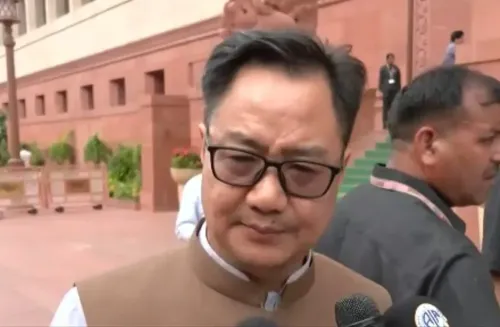
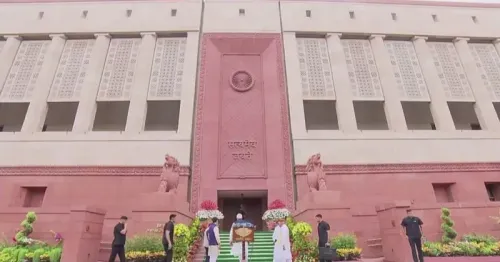
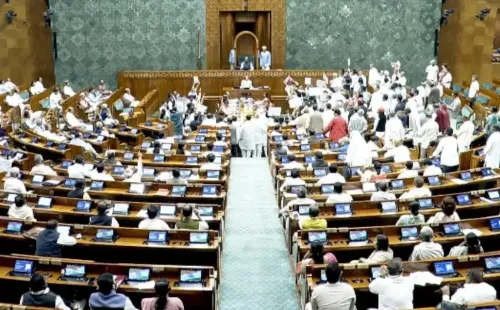
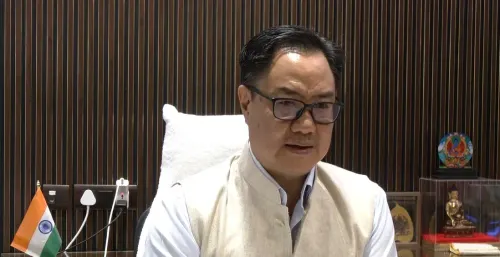
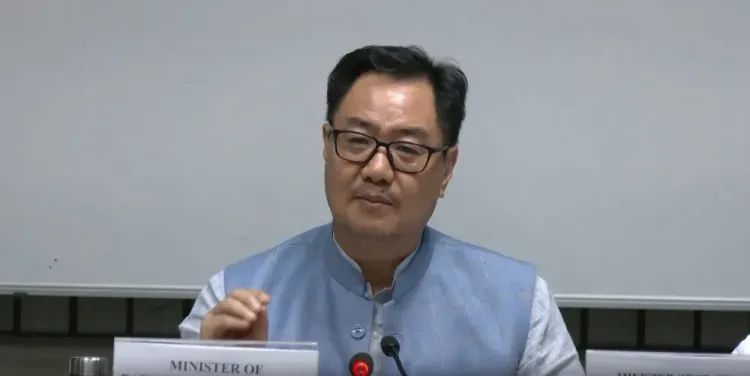
The Monsoon Session of Parliament, which concluded on Thursday, 13 August, passed 12 bills but recorded deeply disappointing productivity figures — just 19 per cent in the Lok Sabha and 39 per cent in the Rajya Sabha — according to Union Parliamentary Affairs Minister Kiren Rijiju, who briefed the media after both Houses were adjourned sine die.
What the Numbers Say
Rijiju described the session as a tale of two outcomes. 'We view the Monsoon Session from two angles. In terms of business, it was a very successful session — we passed a total of 12 bills. However, from the perspective of debate and discussion, it was not as successful,' he said.
The Lok Sabha managed substantive debate on only one bill — the Public Examinations (Prevention of Unfair Means) Act, which targets paper leaks and was passed by both Houses after deliberation. The remaining legislation moved through with minimal floor discussion, drawing concern from political observers and constitutional experts alike.
Opposition Blamed for Disruptions
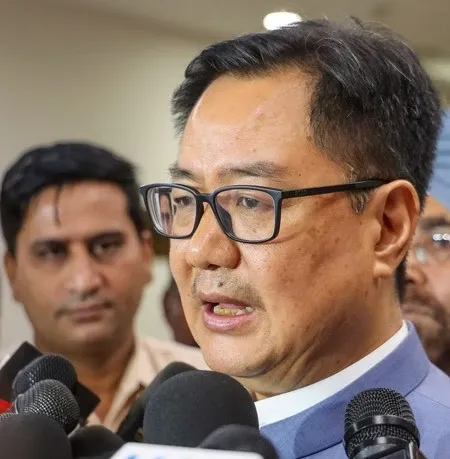
Rijiju squarely blamed Opposition parties for the productivity shortfall, accusing them of repeated disruptions, walkouts, and deliberate derailment of proceedings. 'This is the first time I have seen the Opposition shying away from debate. In a democracy, they seek answers from the government, and the government is bound to provide them. Yet, we witnessed a scenario where the government itself was forthcoming on discussion, but the Opposition kept making excuses to avoid. This is not healthy for the parliamentary democracy,' he stated.
He further said that ministers offered to respond to Opposition queries but were met with neither participation in debate nor willingness to hear replies — a pattern he called antithetical to democratic norms.
Congress in the Crosshairs
Rijiju reserved particular criticism for the Indian National Congress, expressing what he described as genuine sympathy for the party's newer members of Parliament, who he said were denied speaking opportunities by their own party's disruptive conduct. He characterised the Congress's approach as one where members arrive at Parliament primarily to raise slogans, wave placards, and engage in name-calling rather than legislate.
Notably, several MPs and constitutional experts had separately raised alarm over the passage of significant legislation without adequate debate — a concern Rijiju acknowledged indirectly by admitting the session 'didn't live up to people's expectations.'
What Was Passed and What Was Lost
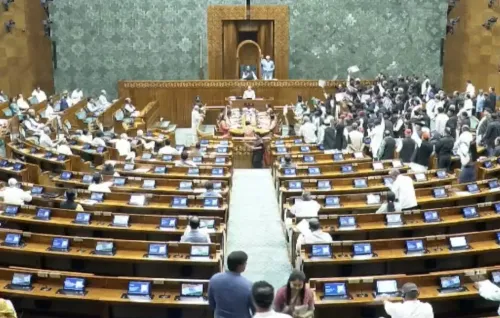
Of the 12 bills cleared during the session, the Public Examinations (Prevention of Unfair Means) Act was the only one to receive substantive floor debate in the Lok Sabha. The bulk of legislative business was conducted amid disruptions, raising questions about the quality of parliamentary scrutiny. This is not the first Monsoon Session to be marred by low productivity — similar concerns were raised in 2023 and 2022, pointing to a structural pattern of Opposition-Treasury standoffs that erode floor time.
What Comes Next
Rijiju expressed hope that the atmosphere would improve when Parliament reconvenes for the Winter Session, though he stopped short of specifying a date. The legislative agenda deferred during this session — including bills that did not see debate — is expected to carry over, adding pressure on the next sitting.
Point of View
But the government controls the session calendar and has tools — extended sittings, special sittings — to reclaim lost time. That those tools were not deployed suggests both sides found the status quo convenient. The real losers are citizens whose elected representatives never got to interrogate legislation passed in their name.
NationPress
13 Aug 2026
Frequently Asked Questions
How many bills were passed in the Monsoon Session of Parliament?
A total of 12 bills were passed during the Monsoon Session of Parliament, which concluded on 13 August. However, substantive debate in the Lok Sabha was limited to just one bill — the Public Examinations (Prevention of Unfair Means) Act.
What was the productivity of Lok Sabha and Rajya Sabha in the Monsoon Session?
The Lok Sabha recorded only 19 per cent productivity relative to its total allotted time, while the Rajya Sabha achieved 39 per cent. Union Parliamentary Affairs Minister Kiren Rijiju attributed the shortfall to Opposition disruptions and walkouts.
What is the Public Examinations (Prevention of Unfair Means) Act?
It is legislation aimed at preventing paper leaks and unfair practices in public examinations. It was the only bill to receive substantive floor debate in the Lok Sabha during the Monsoon Session, and was passed by both Houses.
Why did Kiren Rijiju criticise the Congress party specifically?
Rijiju said the Congress adopted a posture of disruption over debate, depriving even its own newly elected MPs of opportunities to speak on the floor. He expressed sympathy for new Congress members who, he said, became 'victims' of their own party's conduct.
When will Parliament meet next?
Parliament is expected to reconvene for the Winter Session, though a specific date has not been announced. Rijiju expressed hope that the Opposition's approach to parliamentary proceedings would change by then.