Assam-Arunachal border blockade turns violent: stone-pelting hits highway
Synopsis
What began as a firing dispute at a remote inter-state border post on August 10 has spiralled into an economic blockade and stone-pelting on a key highway, with police and CRPF caught in the middle. The Mising-Galo fault line — long simmering along Assam and Arunachal Pradesh's 804-km disputed boundary — has now produced its most volatile flashpoint in recent memory, and a settlement looks far from imminent.
Key Takeaways
Stone-pelting erupted on 13 August along the Silapathar-Likabali highway as an economic blockade over an inter-state firing incident escalated.
At least 12 people were injured in the original firing at Mingmang Basti , Dhemaji , on 10 August .
The Takam Mising Porin Kebang (TMPK) launched an indefinite blockade from 12 August , disrupting movement between the two states.
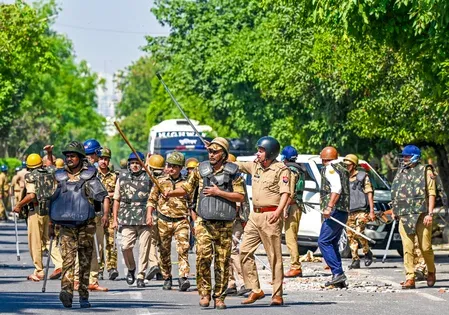
Police and CRPF personnel deployed for order maintenance were also reportedly targeted by stone-pelters.
Agitating organisations demand arrest of the accused and handover to Assam Police , plus resolution of the 804.1-km boundary dispute.
Assam and Arunachal Pradesh are pursuing settlement under the Namsai Declaration framework, but no breakthrough has been announced.
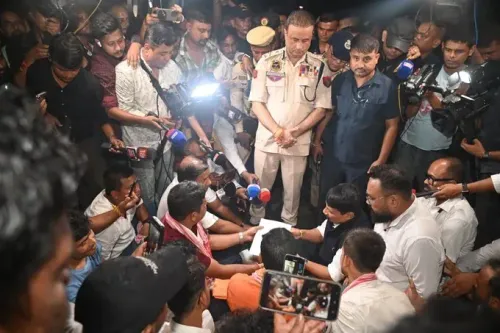
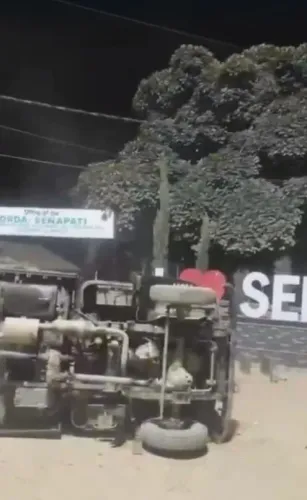
Stone-pelting erupted along the Assam-Arunachal Pradesh border on Thursday, 13 August, as an economic blockade triggered by an August 10 firing incident escalated sharply, with police and Central Reserve Police Force (CRPF) personnel caught in clashes between protesters from both states. The situation remains volatile across parts of Dhemaji district in Assam and Lower Siang in Arunachal Pradesh.
How the crisis unfolded
The chain of events began on 10 August at Mingmang Basti, an inter-state border locality under the Gogamukh revenue circle of Gerukamukh police station in Dhemaji. At least 12 people were injured in a firing incident that reportedly followed a dispute over alleged encroachment of Assam land by residents from Arunachal Pradesh.
In response, the Takam Mising Porin Kebang (TMPK) launched an indefinite economic blockade from 12 August, disrupting inter-state movement at multiple entry points. By Thursday, tensions had intensified on the Silapathar-Likabali highway, where protesters allegedly resorted to stone-pelting. Security personnel deployed to maintain order were also reportedly targeted. Vehicles bearing Arunachal Pradesh registration plates have been stopped at several checkpoints as part of the agitation.
Demands from Mising organisations
The TMPK, alongside the Mising Mimag Kebang (MMK) and the Takam Mising Mahila Kebang (TMMK), has put forward a set of firm demands. These include the arrest of individuals allegedly involved in the August 10 firing and their handover to Assam Police. The organisations have also called for an early resolution of the long-pending Assam-Arunachal Pradesh boundary dispute and concrete action against alleged encroachment on Assam territory.
The broader boundary dispute
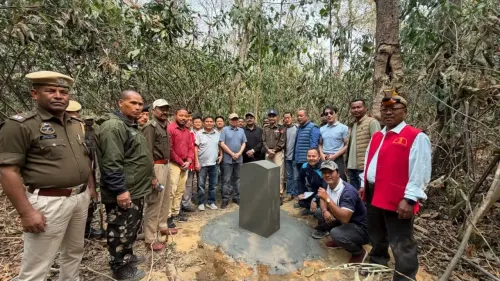
The current flare-up is set against a decades-old territorial disagreement. Assam and Arunachal Pradesh share an 804.1-km boundary, with several stretches remaining disputed. The two states have been pursuing a negotiated settlement through regional mechanisms and the Namsai Declaration framework. This is not the first time that tensions between the Mising and Galo communities have flared along this corridor, underscoring the fragility of the peace process.
Administration's response
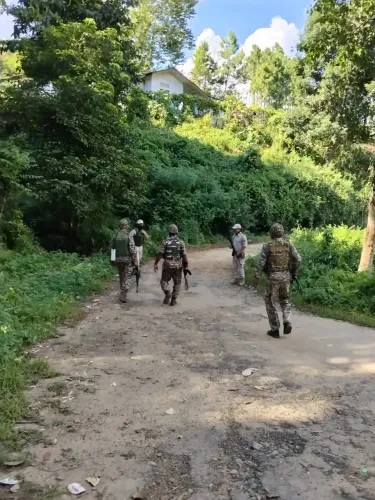
Civil authorities have appealed to residents and protesters to maintain calm and avoid actions that could deepen the crisis. Security forces, including police and CRPF units, are maintaining a close vigil across affected areas. The administration has not yet announced any breakthrough in negotiations with the agitating organisations, and the blockade remains in force as of Thursday.
With the blockade now in its second day and stone-pelting incidents recorded, the coming hours will be critical in determining whether the situation can be de-escalated before further violence occurs.
Point of View
And communities that have lived with that ambiguity for decades. The Namsai Declaration was hailed as a turning point, but incidents like this reveal how thin that framework remains on the ground. Each flare-up hardens community positions, making the next negotiation harder. The Centre's absence from the immediate response — leaving it to state police and CRPF — also raises questions about whether the Union government treats inter-state boundary disputes with the urgency they deserve before they turn violent.
NationPress
27 Sept 2026
Frequently Asked Questions
What triggered the Assam-Arunachal Pradesh border tensions in August 2025?
A firing incident on 10 August at Mingmang Basti in Dhemaji district, reportedly linked to a dispute over alleged encroachment of Assam land by residents from Arunachal Pradesh, injured at least 12 people and set off the current crisis. The Takam Mising Porin Kebang launched an indefinite economic blockade two days later in response.
What is the economic blockade and how is it affecting the region?
The blockade, enforced from 12 August by the TMPK and allied Mising organisations, has disrupted inter-state movement at multiple entry points, particularly on the Silapathar-Likabali highway. Vehicles with Arunachal Pradesh registration numbers have reportedly been stopped at several checkpoints, cutting off a key road link between the two states.
What are the demands of the agitating organisations?
The TMPK, MMK, and TMMK are demanding the arrest of those allegedly involved in the August 10 firing and their handover to Assam Police. They are also calling for an early resolution of the long-pending Assam-Arunachal Pradesh boundary dispute and action against alleged encroachment on Assam territory.
What is the Assam-Arunachal Pradesh boundary dispute?
The two states share an 804.1-km boundary, several stretches of which remain disputed. Negotiations have been ongoing through regional mechanisms and the Namsai Declaration framework, but no final demarcation has been agreed upon, leaving border communities periodically vulnerable to such flare-ups.
Who are the Mising and Galo communities involved in the clashes?
The Mising are an indigenous community primarily based in Assam's Dhemaji and Jorhat districts, while the Galo are a tribal group from Arunachal Pradesh's Lower Siang district. Tensions between the two communities over land and boundary issues along this corridor have surfaced periodically over the years.