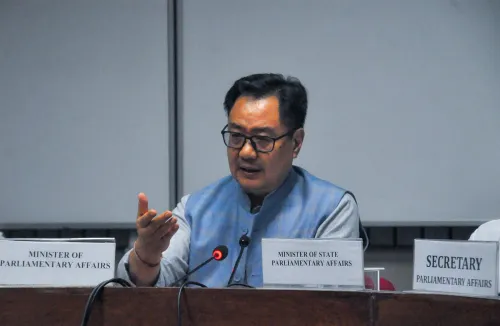
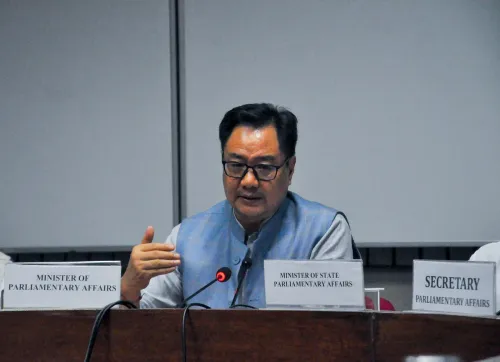
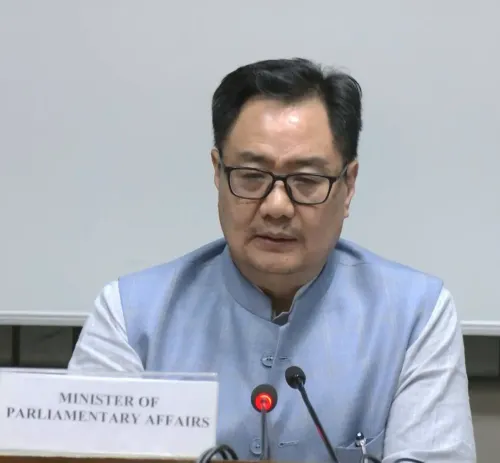
Rijiju Blames Opposition Disruptions for Lost Parliamentary Time
Synopsis
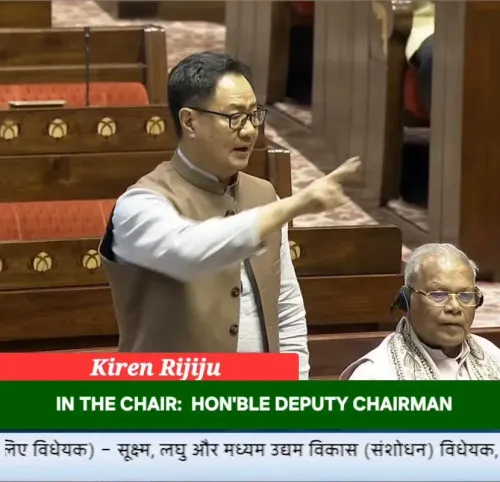
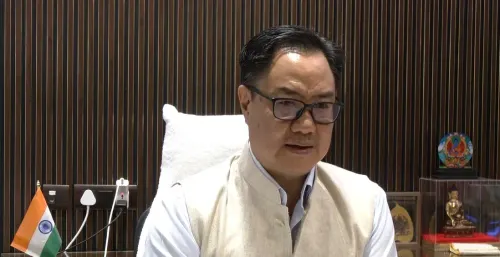
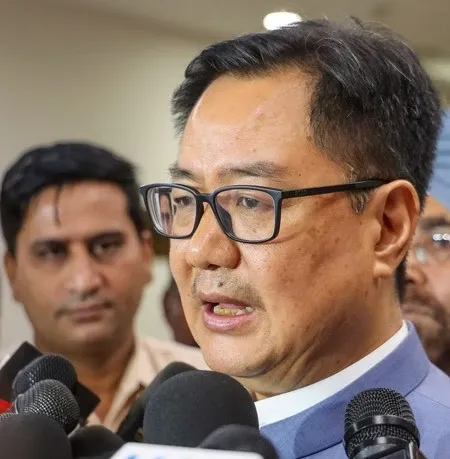
Union Parliamentary Affairs Minister Kiren Rijiju has accused Congress and opposition MPs of self-inflicted disruptions during the 2026 Monsoon Session, arguing their 'unruly behavior' is costing first-time MPs their debut on the national legislative stage — while the government's bill-passing record remains unaffected.
Key Takeaways
Kiren Rijiju , Union Minister of Parliamentary Affairs, publicly blamed opposition disruptions for silencing Congress and allied MPs during the 2026 Monsoon Session .
Rijiju stated that 'many critical and important Bills' have already been passed during the current session.
The minister expressed specific concern for first-time MPs , saying they are 'losing great opportunities' due to their own party's conduct.
The Indian National Congress leads the main opposition grouping and has not yet formally responded to the remarks.
Parliamentary disruptions leading to reduced debate time have been a recurring pattern across both the Lok Sabha and Rajya Sabha in the 2010s and 2020s.
Session productivity data from the Lok Sabha and Rajya Sabha secretariats will provide the definitive record once the session concludes.
The Monsoon Session of Parliament is producing legislation — but Union Parliamentary Affairs Minister Kiren Rijiju says the Opposition is squandering its own voice, and taking first-time MPs down with it.
Posting on Friday, August 7, 2026, Rijiju stated bluntly: 'The Monsoon Session of Parliament has passed many critical and important Bills so far. But Congress and Opposition MPs are unable to speak due to their own unruly behaviors. I feel sorry for the first time MPs who are losing great opportunities. So, do not blame the government.'
Bills moving, debates stalling
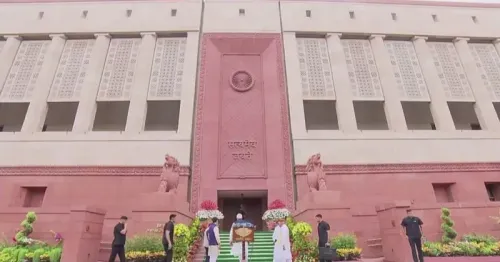
The Monsoon Session, held annually between July and September, is one of Parliament's three scheduled sittings and serves as a primary window for legislative business. Rijiju's claim that 'many critical and important Bills' have already cleared Parliament points to a productive floor record — even as the atmosphere inside both Houses remains fractious. The minister's message is pointed: productivity on the government's side, paralysis on the Opposition's. Disruptions during parliamentary sessions are not new to Indian democracy. Across the 2010s and 2020s, opposition protests, walkouts, and adjournments have repeatedly eaten into debate hours in both the Lok Sabha and Rajya Sabha. Governments holding numerical majorities have, in that same period, continued to pass bills by citing procedural rules or urgency provisions — a pattern that critics argue sidesteps scrutiny, and that treasury benches argue reflects democratic mandate.First-timers caught in the crossfire
The sharpest line in Rijiju's post is not directed at veteran opposition leaders — it is aimed at newly elected MPs. 'I feel sorry for the first time MPs who are losing great opportunities,' he wrote, framing the disruptions as a self-inflicted wound that robs freshmen legislators of their maiden chance to participate in national lawmaking. It is a rhetorical move that separates the foot soldiers from the generals, casting inexperienced MPs as collateral damage in a strategy they may not have chosen. The Indian National Congress and allied opposition parties have not yet issued a formal response to Rijiju's remarks. Productivity statistics for the remainder of the session — tracked by the Lok Sabha and Rajya Sabha secretariats — will ultimately determine who the public holds responsible for what gets debated and what does not. When the session closes, the numbers will speak louder than any post — and both sides know it.Point of View
He shifts the moral burden of disruption from the treasury benches to the Opposition. The move fits a broader BJP pattern of separating opposition rank-and-file from their leadership in public messaging. What makes the moment notable is its timing — mid-session, with bills already cleared, the government is positioning its legislative record as proof of function while painting the Opposition as the architect of its own irrelevance. Whether opposition parties respond with a counter-narrative or with session-end productivity data will define how this exchange lands with voters.
NationPress
22 Sept 2026
Frequently Asked Questions
Why is Kiren Rijiju criticising the Opposition during the Monsoon Session?
Rijiju accused Congress and opposition MPs of 'unruly behavior' that prevents them from speaking in Parliament, arguing the government should not be blamed for the resulting disruptions and lost debate time.
What is the Monsoon Session of Parliament?
The Monsoon Session is one of three annual sittings of the Indian Parliament, typically held between July and September, and is a key window for passing legislation and debating government policy.
Which bills were passed in the 2026 Monsoon Session?
Rijiju stated that 'many critical and important Bills' have been passed during the session, but specific bill names from the 2026 Monsoon Session have not been independently verified.
How do parliamentary disruptions affect first-time MPs?
First-time MPs lose their earliest and most formative opportunities to speak on the national legislative floor when sessions are disrupted, as debate time is curtailed and proceedings are frequently adjourned.
Has the Opposition responded to Rijiju's remarks?
As of the time of posting, no formal response from the Indian National Congress or allied opposition parties to Rijiju's August 7 statement has been recorded.