Pilot Demands AAP Accountability Over Anti-Drug Activist's Murder
Synopsis
Congress general secretary Sachin Pilot condemned the murder of Punjab anti-drug activist Parvinder Jhota on October 14, 2026, attacking Finance Minister Harpal Cheema's 'personal rivalry' remark and demanding Chief Minister Bhagwant Mann's AAP government answer for the failure of its flagship 'Yudh Nasheyan Virudh' anti-drug campaign.
Key Takeaways
Parvinder Jhota , an anti-drug activist in Punjab, was murdered in broad daylight, triggering widespread public anguish.
Punjab Finance Minister Harpal Cheema reportedly described the murder as a case of 'personal rivalry,' drawing sharp criticism from Congress.
Congress leader Sachin Pilot called out Chief Minister Bhagwant Mann and the AAP government directly, demanding accountability.
Pilot questioned the on-ground impact of the AAP's flagship anti-drug campaign Yudh Nasheyan Virudh , calling it 'much-hyped' with no visible results.
AAP had promised in its 2022 Punjab election manifesto to eradicate the drug menace within a set timeframe.
Congress has framed the issue as a coordinated national campaign, tagging both @INCPunjab and @INCIndia in the post.
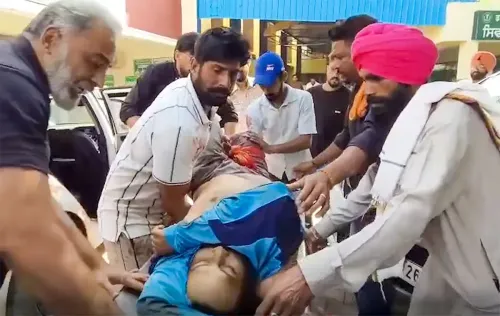
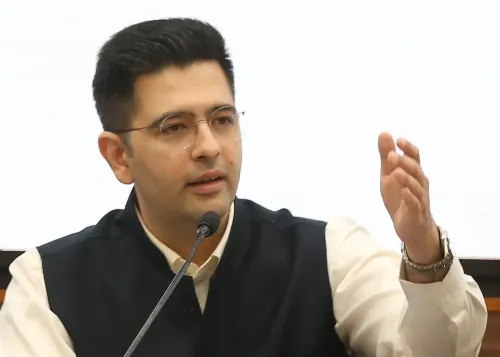
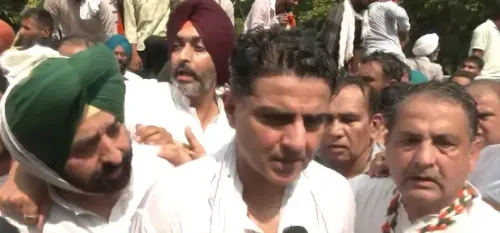
An anti-drug activist is dead, shot in broad daylight in Punjab — and the state government's response is being called a dismissal. Congress leader Sachin Pilot, the party's general secretary and Chhattisgarh in-charge, on Wednesday, October 14, 2026, called out the Bhagwant Mann-led AAP government over the murder of Parvinder Jhota, a prominent voice against the drug trade in the state.
Pilot's post pulls no punches: 'Those who raise their voice against the drugs nexus are being silenced.' His central charge is directed at Punjab Finance Minister Harpal Cheema, who reportedly described the Jhota murder as a case of 'personal rivalry' — a characterisation Pilot says reveals alarming indifference at the highest levels of government toward those risking their lives to fight Punjab's drug crisis.
A Murder That Reignited Punjab's Drug-Policy Debate
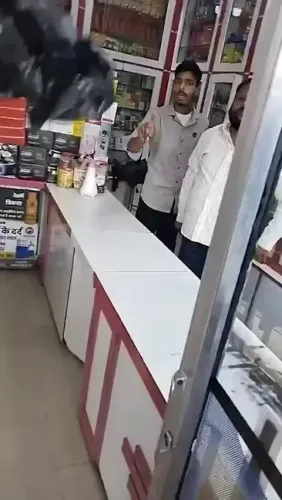
Parvinder Jhota had been a public critic of the drug nexus operating in Punjab. His killing in broad daylight has amplified a question that has haunted the state for over two decades: can anti-drug activists operate without fear of lethal retaliation? The broad-daylight nature of the attack has deepened public anguish, signalling to many that impunity — not accountability — remains the order of the day.
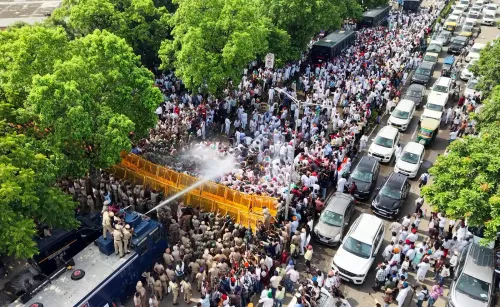
The political stakes are immediate. When the Finance Minister frames a murdered activist's death as a private feud, it strips the case of its public-interest dimension — and opposition leaders are making sure voters notice. Pilot tagged both @INCPunjab and @INCIndia, signalling this is a coordinated Congress pressure campaign, not an isolated comment.
'Yudh Nasheyan Virudh': Hype vs. Ground Reality
The AAP government in Punjab launched Yudh Nasheyan Virudh — 'War Against Drugs' — as a flagship anti-drug campaign, riding on the party's 2022 election manifesto promise to eradicate the drug menace within a defined timeframe. The campaign drew significant attention and was promoted as a structural break from previous half-hearted efforts by successive governments.
Pilot argues there is 'no visible impact' of the much-hyped drive on the ground. That critique lands at a politically sensitive moment: if an anti-drug activist can be shot dead in daylight and the government's first instinct is to deflect with 'personal rivalry,' the campaign's credibility takes a direct hit. Punjab's drug crisis — entrenched across communities for more than two decades — has defeated one government after another. The question now is whether AAP's approach is charting a genuinely different course or repeating a familiar pattern of ambitious announcements and inadequate follow-through.
Accountability Call and the Congress Pressure Track
By naming Bhagwant Mann directly and looping in the national Congress handle, Pilot is framing this not as a local law-and-order failure but as a systemic governance indictment. Punjab's anti-drug battle has always been a proxy for broader debates about state capacity, political will, and organised crime's reach into the establishment.
The immediate watch point is whether the Mann government escalates its response — ordering a high-level probe into Jhota's killing, or revising how it communicates the anti-drug campaign's metrics to a public growing sceptical. Until then, the image of a daylight murder and a minister's 'personal rivalry' explanation will dominate the narrative.
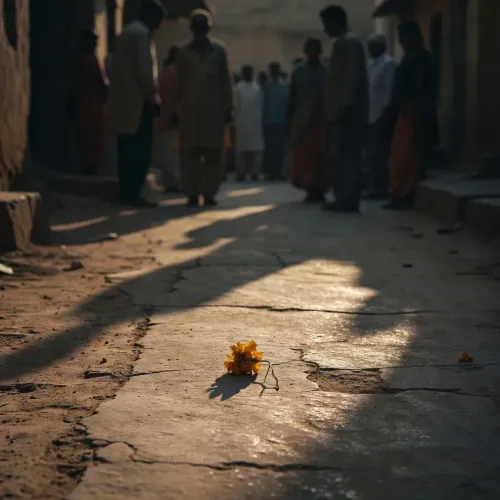
When the loudest voices against drugs start falling silent — permanently — the credibility of any anti-drug campaign hangs in the balance.
Point of View
Order, and the drug menace. Congress is strategically using a single high-profile killing to question the entire edifice of 'Yudh Nasheyan Virudh,' forcing the Mann government onto the defensive over a promise — drug eradication — that defined its 2022 mandate. Sachin Pilot's intervention, amplified through national Congress handles, signals the party intends to keep Punjab's drug and security failures in the national spotlight. If the government cannot demonstrate accountability in cases involving anti-drug activists, it risks confirming the opposition's narrative that its campaign is performance rather than policy.
NationPress
14 Oct 2026
Frequently Asked Questions
Who was Parvinder Jhota?
Parvinder Jhota was an anti-drug activist in Punjab who publicly opposed the drug trade in the state. He was killed in a broad-daylight murder that triggered political controversy over the Punjab government's response.
What did Harpal Cheema say about Parvinder Jhota's murder?
Punjab Finance Minister Harpal Cheema reportedly described the murder of Parvinder Jhota as a case of 'personal rivalry,' a remark that Congress leader Sachin Pilot called indicative of the government's lack of sensitivity.
What is Yudh Nasheyan Virudh?
'Yudh Nasheyan Virudh' means 'War Against Drugs' in Punjabi. It is the AAP government's flagship anti-drug campaign in Punjab, launched in line with the party's 2022 election promise to eradicate the drug menace within a set timeframe.
Why is Sachin Pilot criticising the AAP Punjab government?
Sachin Pilot criticised the AAP Punjab government for the murder of anti-drug activist Parvinder Jhota, Finance Minister Harpal Cheema's dismissive remarks, and what he called the absence of any visible ground-level impact of the 'Yudh Nasheyan Virudh' campaign.
Is Punjab's drug problem a long-standing issue?
Yes. Drug trafficking and abuse have remained entrenched challenges in Punjab for over two decades. Successive state governments have launched high-profile anti-drug drives that opposition parties have routinely criticised as ineffective.