Pilot demands Dharmendra Pradhan's resignation over student lathi charge
Synopsis
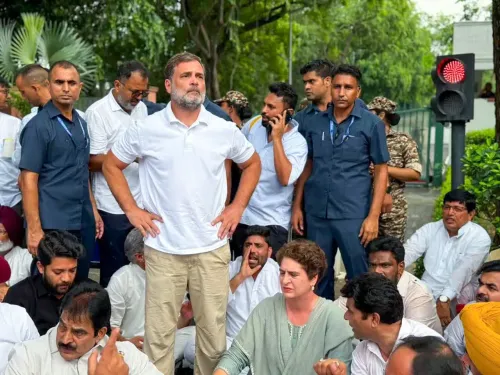
Congress leader Sachin Pilot has demanded the resignation of Union Education Minister Dharmendra Pradhan following a police lathi charge on student protesters. Senior Congress leaders including Kharge, Rahul Gandhi and Priyanka Gandhi staged a sit-in outside the PM's residence on 21 July 2026 in solidarity with students.
Key Takeaways
Congress leader Sachin Pilot demanded the resignation of Union Education Minister Dharmendra Pradhan on 21 July 2026 .
A police lathi charge on student protesters on 20 July 2026 triggered nationwide condemnation, according to Pilot's post.
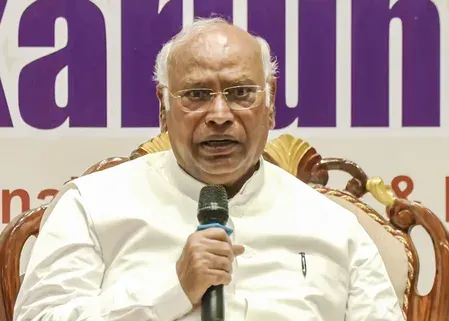
Congress president Mallikarjun Kharge , Rahul Gandhi , and Priyanka Gandhi Vadra joined a sit-in protest outside the Prime Minister's residence in New Delhi .
Pilot called for students' voices to be heard and their demands accepted, urging national solidarity.
The episode is set against a broader pattern of student grievances linked to examination governance under the National Education Policy 2020 .
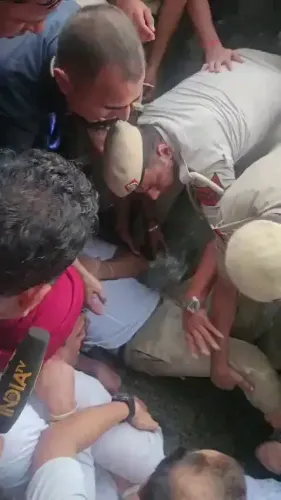
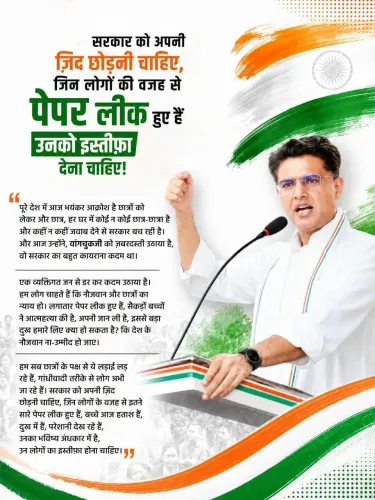
Congress leader and party general secretary Sachin Pilot on Tuesday, 21 July 2026, demanded the resignation of Union Education Minister Dharmendra Pradhan, calling for accountability over a police lathi charge on student protesters the previous day. Pilot posted on X condemning the crackdown and urging solidarity with students across the country.
In his post, Pilot wrote: 'धर्मेंद्र प्रधान का इस्तीफ़ा होना चाहिए' ('Dharmendra Pradhan must resign'), adding that the youth of the country are 'hurt and distressed' and that 'injustice has been done to them and their future has been toyed with.' He called on all sections of society to unite in support of the students' demands.
Context
Pilot's statement came in the backdrop of a protest by students that drew police action, reportedly including a lathi charge, on 20 July 2026. The incident triggered sharp criticism from the opposition, with Pilot describing the crackdown as a matter of national concern. He noted that the condemnation was resonating 'across the entire country.'
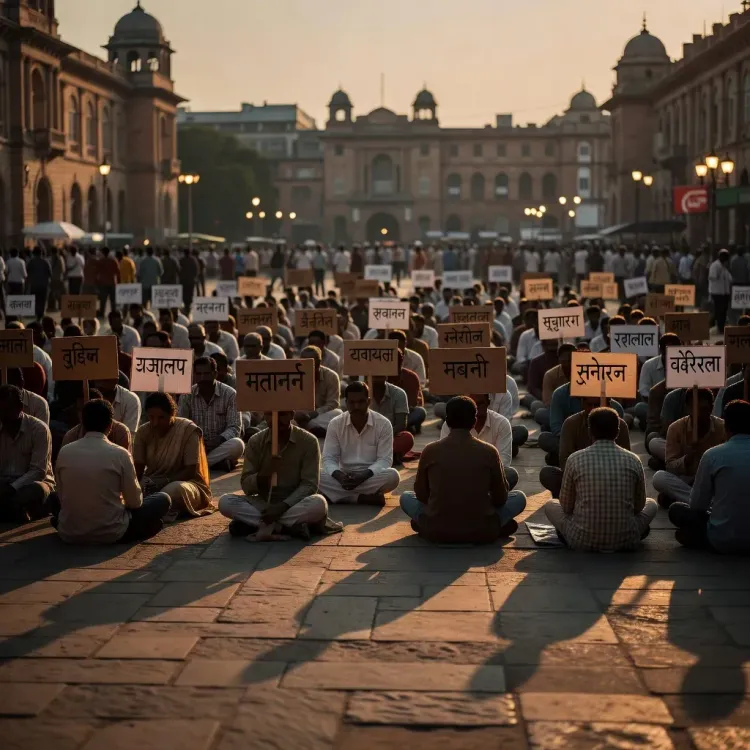
Alongside Pilot's post, senior Congress figures including party president Mallikarjun Kharge, Rahul Gandhi, and Priyanka Gandhi Vadra, along with several Members of Parliament, staged a sit-in protest outside the Prime Minister's residence in New Delhi in solidarity with the agitating students.
Policy Backdrop
The protests are rooted in broader grievances over education policy and examination governance. The National Education Policy 2020 introduced sweeping changes to curricula, entrance examinations, and institutional structures, generating ongoing debate among students and educators. Concerns over examination integrity, seat allocations, and procedural fairness have periodically fuelled student unrest.
Union Minister Dharmendra Pradhan holds the education portfolio and is directly responsible for overseeing entrance examinations and higher education policy. Opposition parties have previously held the ministry accountable for administrative lapses affecting student welfare.
Stakeholders and Impact
The immediate stakeholders are the student protesters and the broader youth population whose academic futures are tied to the examination and admission processes under the Education Ministry's purview. Pilot's post specifically highlighted that 'the voice of students must be heard and their demands must be accepted.'
The protest outside the Prime Minister's residence signals the Congress party's intent to elevate this from a street-level agitation to a political flashpoint. The participation of top leadership — Kharge, Rahul Gandhi, and Priyanka Gandhi Vadra — underlines the party's positioning on youth and education issues ahead of any legislative or electoral contest.
What's Next
All eyes are now on whether the government will issue a formal response to the students' demands or address calls for ministerial accountability. Parliamentary questions, adjournment motions, or a formal statement from the Education Ministry are among the likely next steps.
If the protests continue or expand, pressure on the government to engage with student representatives will intensify. Pilot's call for unity — 'सभी को एकजुट होकर आवाज़ उठानी चाहिए' ('everyone must raise their voice united') — signals that the Congress intends to keep this issue alive in the public discourse.
Point of View
Transforming a student protest into a direct ministerial accountability moment for the Congress. By deploying its top three leaders — Kharge, Rahul Gandhi, and Priyanka Gandhi Vadra — at the Prime Minister's doorstep, the party is signalling that education and youth welfare will be central planks of its opposition strategy. The lathi charge narrative, if it gains traction, could prove politically costly for the government, given that examination-related controversies have already sensitised public opinion on education governance. The episode fits a recurring Congress playbook of street-level solidarity combined with demands for executive accountability, aimed at consolidating youth support.
NationPress
22 Jul 2026
Frequently Asked Questions
Why is Sachin Pilot demanding Dharmendra Pradhan's resignation?
Sachin Pilot is demanding Dharmendra Pradhan's resignation over a police lathi charge on student protesters on 20 July 2026, which he says has caused widespread hurt among the country's youth and represents an injustice to students.
What happened during the student protest on 20 July 2026?
According to Sachin Pilot's post, students were subjected to a lathi charge by police during their protest on 20 July 2026, an incident that drew condemnation from across the country. The specific details of the protest and the exact student demands are still emerging.
Who joined the protest outside the Prime Minister's residence on 21 July 2026?
Congress president Mallikarjun Kharge, Rahul Gandhi, Priyanka Gandhi Vadra, and several Members of Parliament staged a sit-in protest outside the Prime Minister's residence in New Delhi on 21 July 2026 in support of the agitating students.
What are students demanding in the current protests?
Sachin Pilot's post calls for students' voices to be heard and their demands accepted, but the specific demands of the student protesters are still being reported and have not been fully detailed in official statements.
What is Dharmendra Pradhan's role in the student controversy?
Dharmendra Pradhan is the Union Minister of Education and is responsible for overseeing entrance examinations and higher education policy. The opposition holds his ministry accountable for the situation that led to the student protests.