Sachin Pilot Shares Chai Moment During Tonk Visit
Synopsis
Congress general secretary Sachin Pilot posted an informal update from Tonk, Rajasthan, on 25 May 2026, sharing a summer evening tea moment that signals continued grassroots presence in his political home district.
Key Takeaways
Sachin Pilot posted from Tonk, Rajasthan on 25 May 2026 .
The post mixed Hindi and English, referencing a warm summer day and evening tea.
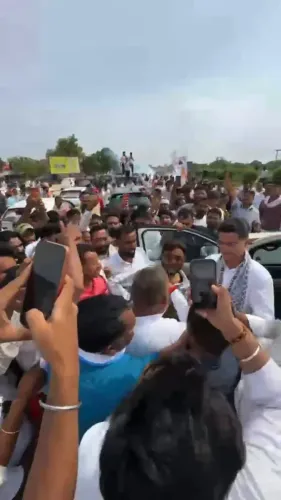
A video was attached to the post, offering a ground-level visual from the district.
Tonk is a historically significant district in eastern Rajasthan and part of Pilot 's political base.
Pilot currently serves as Congress general secretary and party in-charge for Chhattisgarh .
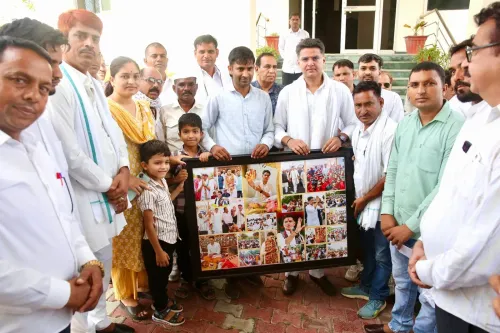
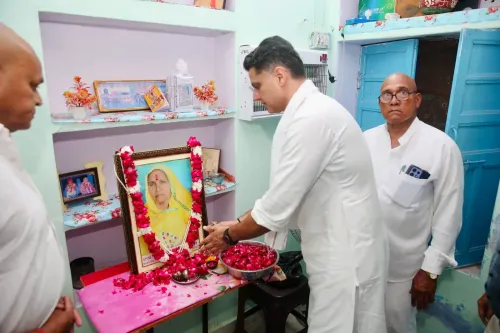
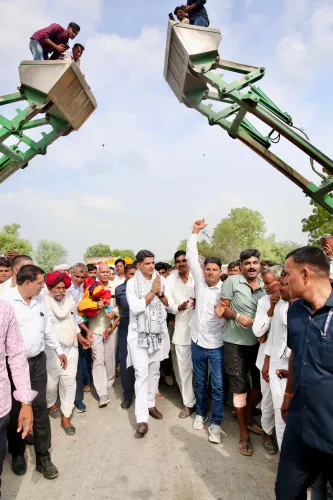
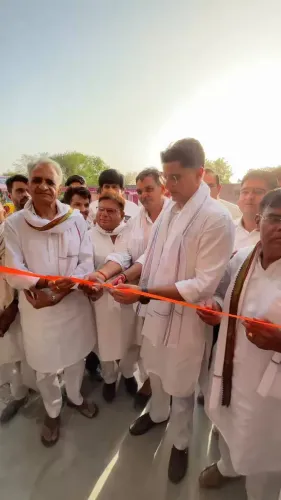
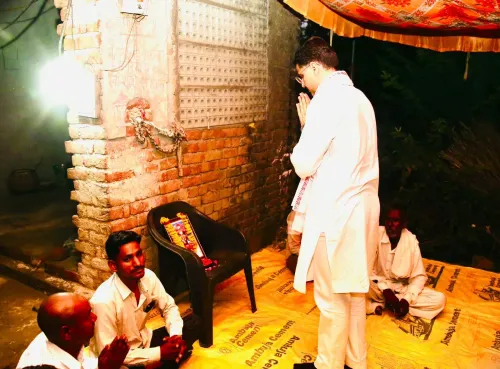
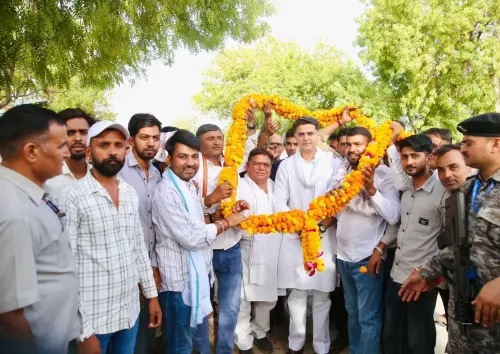
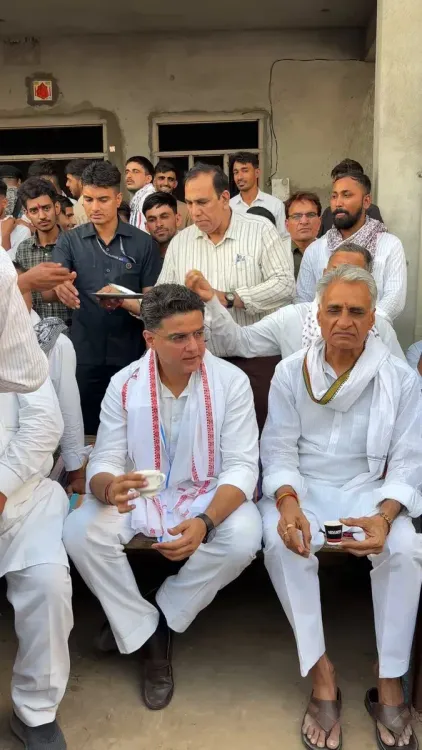
Congress leader and party general secretary Sachin Pilot shared a light-hearted social-media post on Monday, 25 May 2026, from Tonk in Rajasthan, noting a warm summer evening with a cup of tea — a brief personal glimpse from his district tour.
Context
Posting from Tonk, Pilot wrote in a mix of Hindi and English: 'A very warm summer day… fir bhi shaam ki Chai toh banti hai!!' ('A very warm summer day… but evening tea is still a must!!'). The post was accompanied by a video, offering followers an informal window into his ground-level presence in the district.
Tonk is a district in eastern Rajasthan with historical and agricultural significance. The region has been part of Pilot's long-standing political base in the state.
Policy Backdrop
Sachin Pilot serves as the Indian National Congress general secretary and is the party's in-charge for Chhattisgarh. He previously served as Deputy Chief Minister of Rajasthan, and Tonk district has historically been central to his political engagement in the state.
Indian politicians frequently share informal updates from district visits, blending personal moments with visible grassroots presence. Such posts signal active field engagement without necessarily announcing a formal programme.
Stakeholders and Impact
For Congress workers and supporters in Rajasthan, the post signals that Pilot remains active on the ground in the state despite his national organisational responsibilities. District-level visibility is considered important for maintaining connect with local party units and voters.
The informal, relatable tone — centred on the everyday ritual of evening tea in summer heat — is consistent with a broader trend among Indian political leaders of humanising their public image through social media.
What's Next
Subsequent local engagements or organisational meetings by Congress leaders in Rajasthan districts, including Tonk, will be watched for signs of party-building activity ahead of any upcoming electoral or organisational cycles in the state.
Point of View
A state where his political capital remains significant despite his current national role. For a leader who built his base through active district engagement, such informal updates serve as low-cost visibility tools that keep local party networks energised. The choice of an everyday, relatable moment — evening tea in summer heat — fits a wider pattern among Indian opposition leaders of projecting accessibility on social media. Whether this visit precedes any formal organisational activity in the state remains to be seen.
NationPress
9 Oct 2026
Frequently Asked Questions
Where is Sachin Pilot currently posted as Congress in-charge?
Sachin Pilot is the Indian National Congress general secretary and party in-charge for Chhattisgarh, though he continues to be politically active in his home state of Rajasthan.
What did Sachin Pilot post from Tonk on 25 May 2026?
He shared a light-hearted mixed-language post noting a very warm summer day but saying evening tea was still a must, accompanied by a video from Tonk, Rajasthan.
Why is Tonk significant for Sachin Pilot?
Tonk is a district in eastern Rajasthan that has historically been central to Sachin Pilot's political base and grassroots engagement in the state.
Is Sachin Pilot still active in Rajasthan politics?
Yes, Sachin Pilot continues to make district-level visits to Rajasthan and remains a prominent Congress figure in the state despite holding a national organisational role.
What is Sachin Pilot's current position in the Congress party?
Sachin Pilot is a general secretary of the Indian National Congress and serves as the party's in-charge for Chhattisgarh. He previously served as Deputy Chief Minister of Rajasthan.