Piyush Goyal urges doubling India-Uzbekistan trade to $3 billion in 3 years
Synopsis
India and Uzbekistan's bilateral trade stands at roughly $1.5 billion — Commerce Minister Piyush Goyal wants it doubled in three years. With a fresh Bilateral Investment Treaty in place and a high-level business forum now concluded, the two countries are moving from diplomatic warmth to a structured, sector-specific economic push spanning mining, textiles, pharma, and digital infrastructure.
Key Takeaways
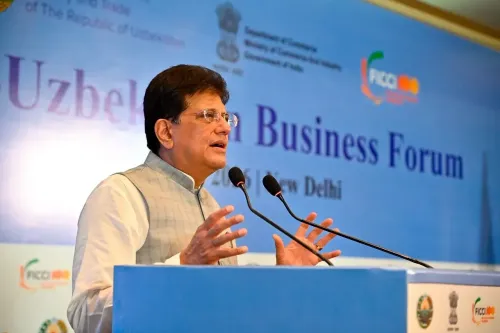
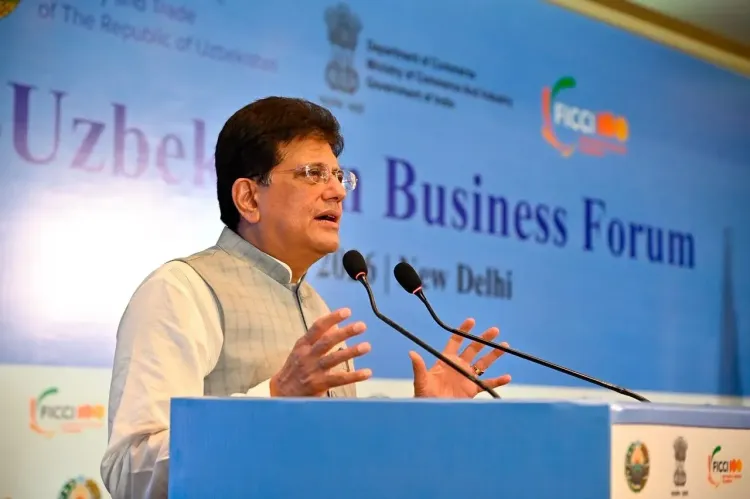
Commerce Minister Piyush Goyal addressed the India-Uzbekistan Business Forum in New Delhi on 3 August .
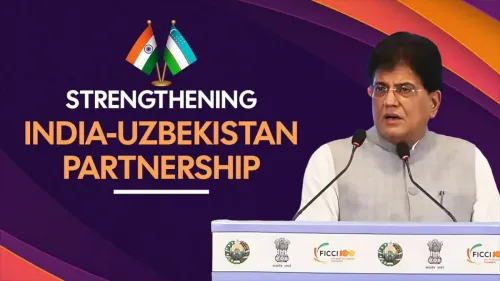
Goyal called for doubling bilateral trade from approximately $1.5 billion within three years .
Priority sectors identified: mining, textiles, pharmaceuticals, agriculture, digital infrastructure, and automotive components .
A recently concluded Bilateral Investment Treaty between India and Uzbekistan is expected to boost investor confidence.
Goyal proposed cooperation in traditional medicine — Ayurveda, Yoga, and Unani — citing historical ties with the Uzbek region.
Both governments are working towards a structured, time-bound, outcome-oriented economic partnership framework.
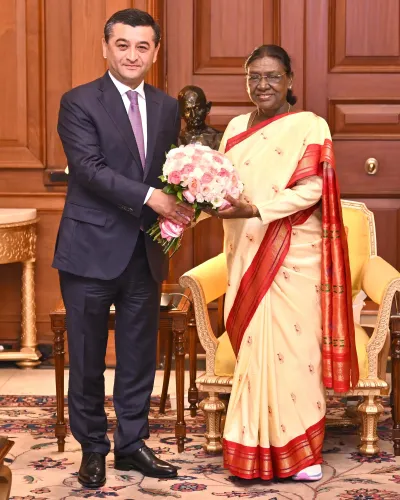
Commerce and Industry Minister Piyush Goyal on Monday, 3 August called for doubling India-Uzbekistan bilateral trade within three years, inviting businesses from both nations to co-invest, co-manufacture, and co-innovate. Goyal made the remarks while addressing the India-Uzbekistan Business Forum in New Delhi, alongside visiting Uzbek Investment, Industry, and Trade Minister Laziz Kudratov.
Current Trade Baseline and the Target
Goyal noted that bilateral trade between India and Uzbekistan has crossed approximately $1.5 billion, but described this as only a fraction of what the two economies can achieve together. He called for concerted efforts by both governments and business communities to double that figure over the next three years. The minister characterised the strategic partnership as founded on mutual trust, respect, and a shared vision for prosperity.
Key Sectors Identified for Collaboration
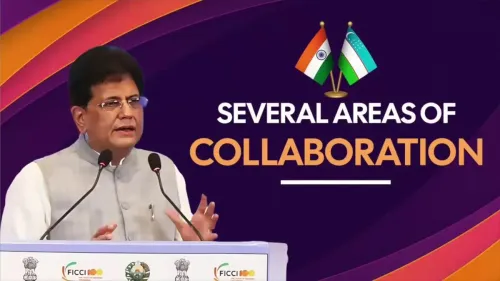
Goyal outlined several sectors he said offer strong complementarities. In mining, he said Uzbekistan presents substantial opportunities for Indian investment. On textiles, he highlighted Uzbekistan's strength in cotton production alongside India's leadership in the textile industry, proposing joint expansion into garment manufacturing, design, and global markets.
In pharmaceuticals and healthcare, Goyal said India — recognised globally as the pharmacy of the world — can support Uzbekistan's healthcare modernisation through affordable medicines, medical devices, diagnostics, telemedicine, and training of doctors and paramedics. He also proposed reviving cooperation in traditional medicine systems including Ayurveda, Yoga, and Unani, which have historical links with the Uzbek region.
On agriculture and food processing, he said cooperation in packaging, cold chains, and agri-tech could help build global value chains benefiting farmers in both countries. He also underlined India's readiness to collaborate on Digital Public Infrastructure, fintech, agri-tech, medtech, engineering components, automotive parts, and advanced manufacturing.
Bilateral Investment Treaty and Trade Facilitation
Referring to the recently concluded Bilateral Investment Treaty between India and Uzbekistan, Goyal said the agreement would enhance investor confidence and encourage long-term commercial partnerships. He urged elimination of trade barriers, mutual recognition of standards, testing and certification processes, greater digitalisation of customs systems, and development of more efficient trade routes.
The minister stressed that regulators and standard-setting authorities on both sides should strengthen cooperation to facilitate businesses, and that the economic partnership must be structured, time-bound, and outcome-oriented.
Broader Strategic Context
This comes amid India's broader push to deepen economic ties with Central Asian nations as part of its Connect Central Asia policy. Uzbekistan is India's largest trading partner in the region, yet the bilateral relationship remains well below its potential. Notably, this is the first high-level business forum between the two countries following the signing of the Bilateral Investment Treaty, signalling a more formal phase of economic engagement.
With both governments now working towards a structured partnership framework, the next step will be translating the forum's commitments into sector-specific roadmaps and measurable trade targets.
Point of View
Pharma, and digital infrastructure. The real signal here is the sequencing: a Bilateral Investment Treaty first, then a business forum, then sector-specific targets. That is a more disciplined architecture than India has historically deployed in Central Asia. The test, as always, is execution — whether the forum's commitments translate into verifiable trade flows or remain aspirational. With China deepening its own footprint across Central Asia, India's window to establish commercial primacy in Uzbekistan is narrowing.
NationPress
3 Aug 2026
Frequently Asked Questions
What did Piyush Goyal say about India-Uzbekistan bilateral trade?
Commerce and Industry Minister Piyush Goyal called for doubling India-Uzbekistan bilateral trade from its current level of approximately $1.5 billion within three years. He made the remarks at the India-Uzbekistan Business Forum in New Delhi on 3 August, urging businesses from both nations to co-invest, co-manufacture, and co-innovate.
Which sectors did Goyal identify for India-Uzbekistan cooperation?
Goyal highlighted mining, textiles, pharmaceuticals and healthcare, agriculture and food processing, digital public infrastructure, fintech, agri-tech, medtech, engineering components, and automotive parts as priority sectors. He also proposed reviving cooperation in traditional medicine systems including Ayurveda, Yoga, and Unani.
What is the India-Uzbekistan Bilateral Investment Treaty?
The Bilateral Investment Treaty is a recently concluded agreement between India and Uzbekistan designed to enhance investor confidence and encourage long-term commercial partnerships. Goyal cited it as a foundation for encouraging businesses from both countries to invest in each other's economies.
Why does the India-Uzbekistan trade relationship matter strategically?
Uzbekistan is India's largest trading partner in Central Asia, and the relationship sits within India's broader Connect Central Asia policy. Deepening economic ties with Uzbekistan gives India a strategic foothold in a region where competition from other major economies is intensifying.
What trade facilitation measures did Goyal propose?
Goyal called for eliminating trade barriers, mutual recognition of standards and certification processes, greater digitalisation of customs systems, and development of more efficient trade routes. He also stressed that regulators and standard-setting bodies on both sides should strengthen cooperation.