How are Piyush Goyal and Liechtenstein's Minister Collaborating to Enhance Economic Relations?
Synopsis
On January 7, Piyush Goyal met with Liechtenstein's Deputy PM to explore ways of enhancing economic ties between India and Liechtenstein. With a $100 billion investment pledge on the table, this partnership could reshape trade dynamics. Discover the implications of this pivotal dialogue.
Key Takeaways
Meeting focused on enhancing bilateral trade .
India-EFTA TEPA to create one million jobs . $100 billion investment pledged by European bloc .
Discussions on zero-duty access for key sectors .
Strategic dialogues to expedite India-EU FTA .
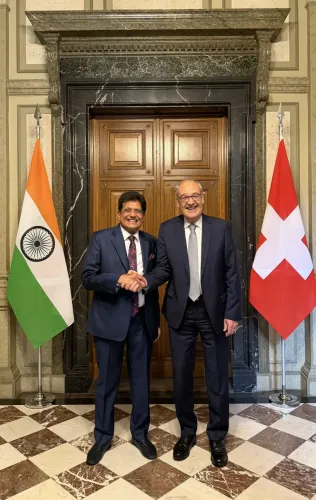
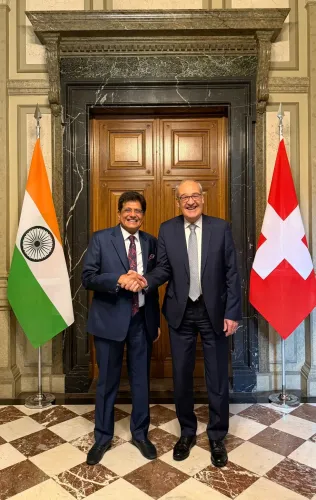
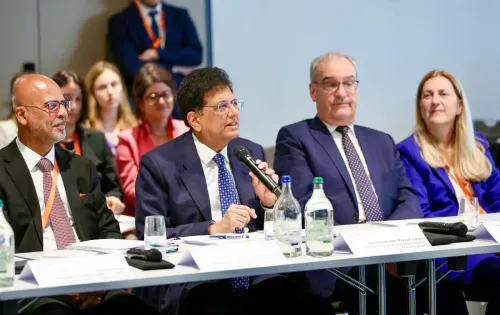
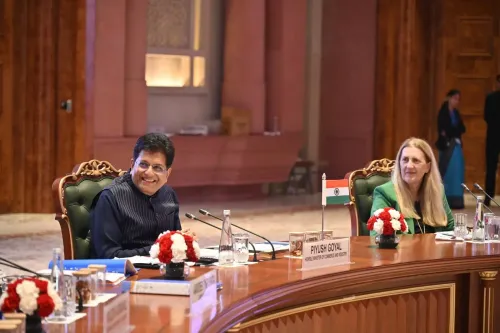
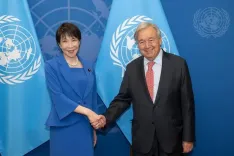
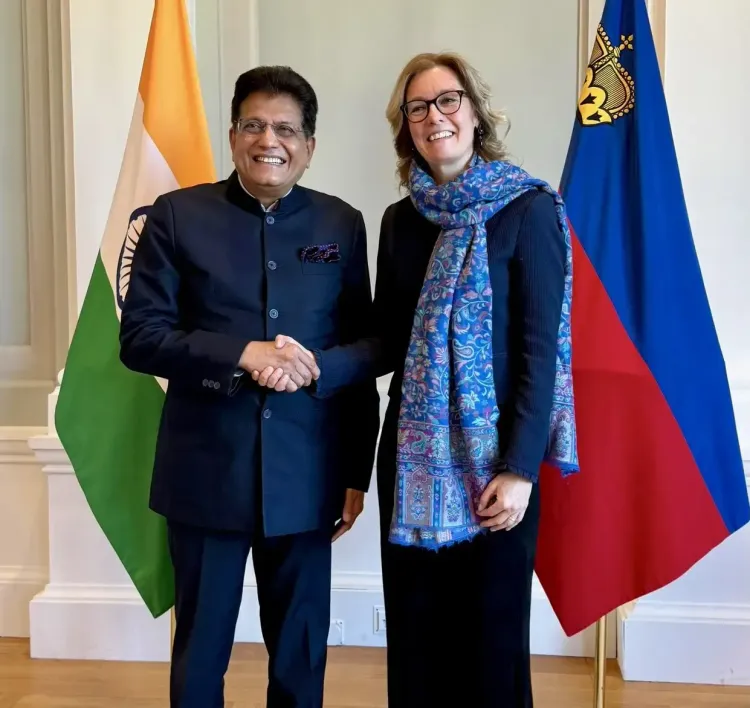
In New Delhi, on January 7, the Commerce and Industry Minister Piyush Goyal convened a meeting with Sabine Monauni, the Deputy Prime Minister and Minister of Foreign Affairs of Liechtenstein, to discuss ways to bolster economic relations between their nations.
“Our discussions centered around avenues for expanding trade, fostering innovation, and advancing clean technology. We also examined strategies to deepen our mutually advantageous relationship, particularly following the implementation of the India-EFTA TEPA,” Goyal shared in a post on the X social media platform.
He further highlighted the distinctive partnership, stating, “India brings its vast talent, scale, and demand, while Liechtenstein offers high-value manufacturing and specialized engineering. This presents significant opportunities to enhance trade, investment, and technology exchanges.”
The India-European Free Trade Association (EFTA) Trade and Economic Partnership Agreement (TEPA) is set to commence on October 1, joining together Switzerland, Norway, Iceland, and Liechtenstein.
As part of the agreement, the European bloc has pledged an investment of $100 billion over 15 years, which is anticipated to generate one million direct jobs in India.
Currently, Goyal is on an official visit to Europe, with plans to engage in two days of trade discussions in Brussels, aimed at advancing negotiations for the India-EU Free Trade Agreement (FTA), according to an official announcement made on Tuesday.
This visit highlights the growing diplomatic and technical collaborations between New Delhi and Brussels, the statement mentioned.
India is advocating for zero-duty access for its labor-intensive sectors, including textiles, leather, apparel, gems, jewelry, and handicrafts.
Goyal is expected to engage in high-level discussions with the European Union’s Commissioner for Trade and Economic Security, Maros Sefcovic. The main goal of these meetings is to offer strategic direction to negotiating teams, address unresolved issues, and hasten the finalization of a balanced and ambitious agreement.
Leaders are anticipated to engage in comprehensive discussions regarding crucial aspects of the proposed agreement, with the aim of minimizing differences and ensuring clarity on outstanding issues. This Ministerial engagement follows a week of extensive discussions in Brussels, building on groundwork established by prior high-level meetings between India's Commerce Secretary Rajesh Agrawal and the Director-General for Trade of the European Commission, Sabine Weyand.
Both India and the EU have shown a strong political commitment to achieving a comprehensive deal. Upcoming discussions are likely to reaffirm both parties' dedication to a rules-based trading system and a modern economic collaboration that protects the interests of farmers and MSMEs, while integrating Indian industries into global supply chains, the statement emphasized.
The European Union stands as India’s largest trading partner and a significant investor, with bilateral trade in goods expected to see substantial growth in the 2024-25 fiscal year. This agreement is envisioned not merely as a trade contract but as a holistic partnership that addresses contemporary economic realities.
Point of View
It is crucial to recognize the strategic importance of this dialogue between India and Liechtenstein. Strengthening economic relations not only enhances trade but also fosters innovation and job creation, ultimately benefiting the broader economy.
NationPress
23 Sept 2026
Frequently Asked Questions
What was the main focus of the meeting between Piyush Goyal and Sabine Monauni?
The main focus was on strengthening economic ties, exploring opportunities for trade expansion, and enhancing collaboration in innovation and clean technology.
What is the significance of the India-EFTA TEPA?
The India-EFTA TEPA aims to facilitate trade between India and the EFTA countries, with an investment of $100 billion expected to create one million jobs in India.
What sectors is India advocating for zero-duty access?
India is seeking zero-duty access for labor-intensive sectors, including textiles, leather, apparel, gems, jewelry, and handicrafts.
Who will Piyush Goyal be meeting in Brussels?
Piyush Goyal is set to meet the European Union’s Commissioner for Trade and Economic Security, Maros Sefcovic, to discuss the India-EU Free Trade Agreement.
What is the expected outcome of the upcoming talks between India and the EU?
The expected outcome is to reaffirm both parties' commitment to a rules-based trading system and to expedite the finalization of an ambitious trade agreement.