Piyush Goyal Meets US Trade Rep Greer, Reviews India-US Trade Talks
Synopsis
Commerce Minister Piyush Goyal met US Trade Representative Ambassador Jamieson Greer on June 24, 2026, reviewing progress in India-US trade discussions and exploring ways to deepen the bilateral economic partnership. The talks continue a multi-year pattern of high-level engagement between the two nations.
Key Takeaways
Union Commerce Minister Piyush Goyal held a series of meetings with US Trade Representative Ambassador Jamieson Greer on June 24, 2026 .
Both sides reviewed the progress of ongoing India–US trade discussions and explored avenues to deepen economic ties.
The India–US Trade Policy Forum , established in 2005 , remains the primary bilateral mechanism for these engagements.
Key stakeholders include Indian exporters , the pharmaceutical sector , and US businesses seeking greater market access in India.
A formal joint statement or next round of Trade Policy Forum meetings is expected in the coming months .
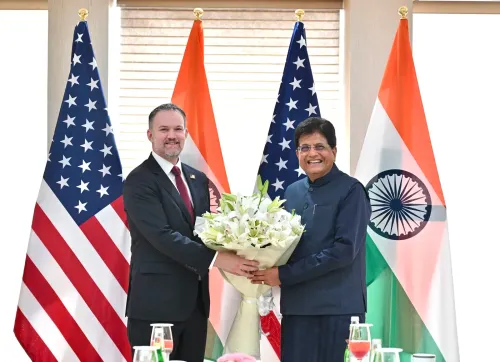
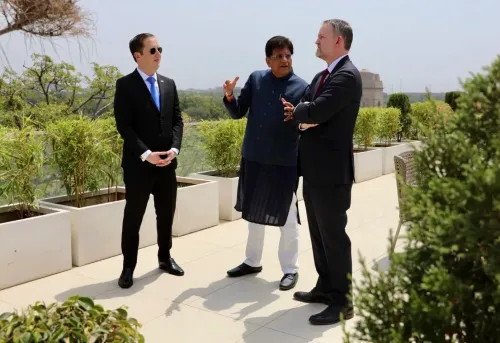
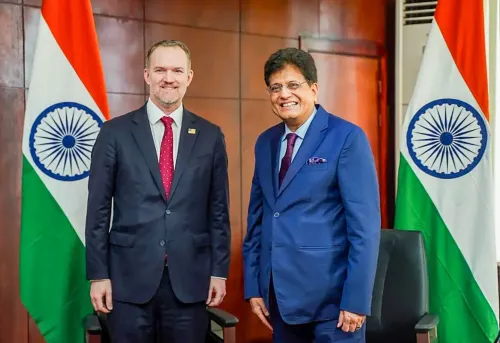
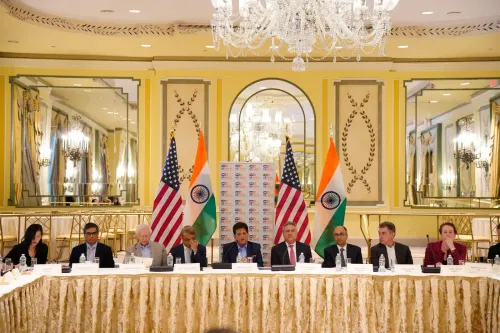
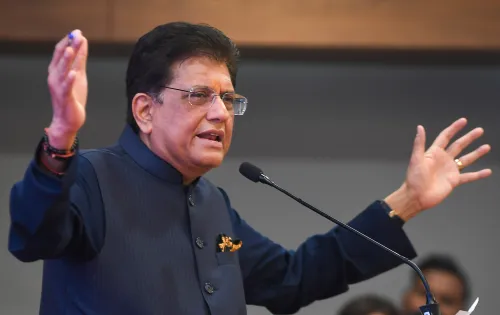
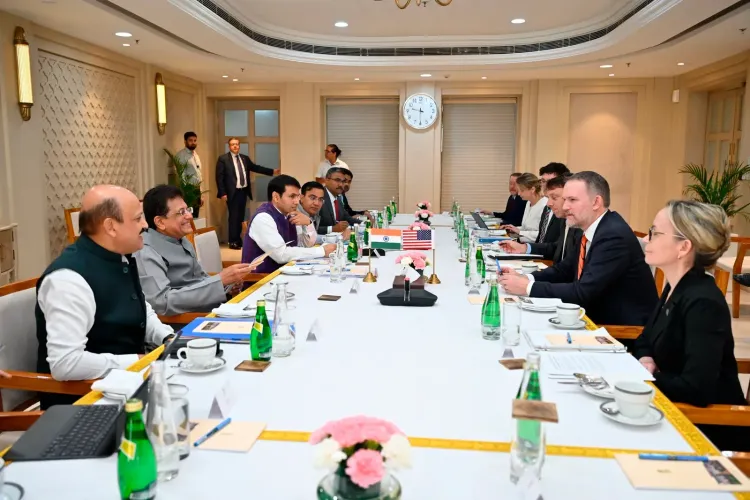
Union Commerce and Industry Minister Piyush Goyal on Wednesday, June 24, 2026, concluded a series of meetings with United States Trade Representative Ambassador Jamieson Greer and his delegation, reviewing the progress of ongoing India–US trade discussions and exploring avenues to deepen the bilateral economic partnership.
Context
Minister Goyal confirmed the talks in a post on X, stating that both sides 'reviewed progress of the ongoing India–US trade discussions and explored avenues to further deepen our economic partnership.' He specifically acknowledged Ambassador Greer's leadership and the 'sustained efforts of both teams in advancing our discussions in a constructive and forward-looking manner.'
The meeting represents a high-level ministerial engagement between the world's largest democracy and the world's largest economy, two nations whose bilateral goods and services trade has grown steadily over the past two decades.
Policy Backdrop
The India–US Trade Policy Forum, launched in 2005, has served as the primary bilateral mechanism for structured trade engagement between the two governments. The forum has addressed persistent friction points including market access in agriculture, intellectual property rights, and digital services trade.
A limited bilateral trade package was signed in 2019, covering areas such as medical devices, agriculture, and select tariff concessions, but a broader comprehensive trade agreement has remained a work in progress. The current round of discussions fits into a multi-year pattern of ministerial and official-level meetings aimed at resolving outstanding market-access disputes and expanding two-way trade volumes.
Both nations have simultaneously deepened cooperation across defence, technology, and strategic frameworks, lending additional momentum to the economic track of the relationship.
Stakeholders and Impact
Indian exporters — particularly in the pharmaceutical, textiles, and information technology sectors — stand to benefit from any easing of market-access barriers in the United States. Equally, US businesses seeking greater entry into India's large consumer market, including in agriculture and financial services, have a direct stake in the outcome of these negotiations.
The pharmaceutical sector on both sides watches these talks closely, given longstanding disputes over drug pricing, patent protections, and regulatory approvals. Any progress on intellectual property norms or tariff schedules could have significant downstream effects for industry stakeholders in both countries.
What's Next
The next formal round of Trade Policy Forum meetings, or a potential joint statement on tariff and regulatory outcomes, is expected in the coming months. Parliamentary and industry consultations on any proposed changes to trade policy are likely to follow any ministerial-level agreement.
With both governments signalling a 'constructive and forward-looking' posture, the trajectory points toward continued high-frequency engagement at the ministerial level as the two sides work toward tangible deliverables in bilateral trade.
Point of View
Even as broader geopolitical alignments continue to evolve. For Minister Goyal, publicly acknowledging Ambassador Greer's 'leadership' and the teams' 'sustained efforts' is a deliberate diplomatic signal of goodwill, likely aimed at maintaining negotiating momentum. The meeting fits into a well-established pattern where high-level ministerial contact is used to unblock technical-level stalls on issues such as tariffs, intellectual property, and digital trade. The emphasis on a 'constructive and forward-looking' approach suggests both sides are managing expectations carefully while keeping the door open for a substantive deliverable.
NationPress
24 Jun 2026
Frequently Asked Questions
What did Piyush Goyal and Jamieson Greer discuss in their June 2026 meeting?
Commerce Minister Piyush Goyal and US Trade Representative Ambassador Jamieson Greer reviewed the progress of ongoing India–US trade discussions and explored avenues to further deepen the bilateral economic partnership, according to Goyal's post on X on June 24, 2026.
What is the India–US Trade Policy Forum?
The India–US Trade Policy Forum is the primary bilateral mechanism for structured trade engagement between India and the United States, launched in 2005. It covers issues including market access in agriculture, intellectual property, and digital services.
Who is Jamieson Greer?
Jamieson Greer is the United States Trade Representative (USTR) Ambassador who led the US delegation in the June 2026 trade meetings with India's Commerce Minister Piyush Goyal.
What sectors are most affected by India–US trade talks?
Indian exporters in pharmaceuticals, textiles, and information technology, as well as US businesses seeking market access in agriculture and financial services, are among the key stakeholders most directly affected by the outcome of India–US trade negotiations.
What is expected to happen next in India–US trade negotiations?
A next formal round of Trade Policy Forum meetings or a joint statement on tariff and regulatory outcomes is anticipated in the coming months, with possible parliamentary and industry consultations following any ministerial-level agreement.