PM Modi Assures Full Central Aid to CM Bhupendra Patel Over Gujarat Floods
Synopsis
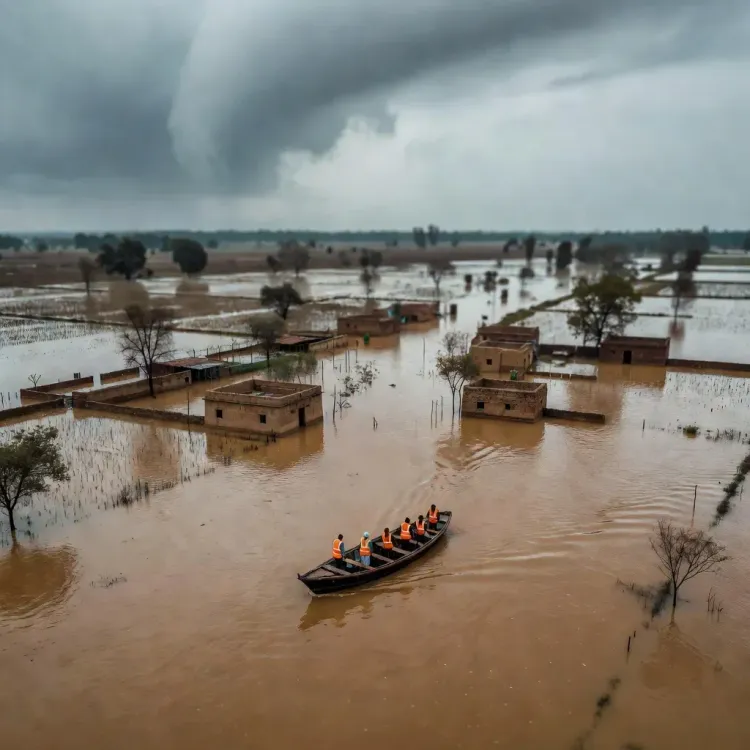
Prime Minister Narendra Modi called Gujarat Chief Minister Bhupendra Patel on 23 July 2026 to get a first-hand briefing on the heavy-rainfall situation in the state. The PM assured complete Central Government support in rescue, relief, and safety operations, in line with India's federal disaster management protocol.
Key Takeaways
PM Narendra Modi personally called CM Bhupendra Patel on 23 July 2026 to assess Gujarat's heavy-rainfall crisis.
The Prime Minister assured full Central Government support for rescue, relief, and safety operations in the state.
The call reflects India's established federal protocol under the Disaster Management Act, 2005 for centre-state coordination during calamities.
Potential deployment of NDRF teams and release of funds from the National Disaster Response Fund are the key next steps to watch.
Flood-affected residents of Gujarat are the primary beneficiaries of the coordinated response being mobilised.
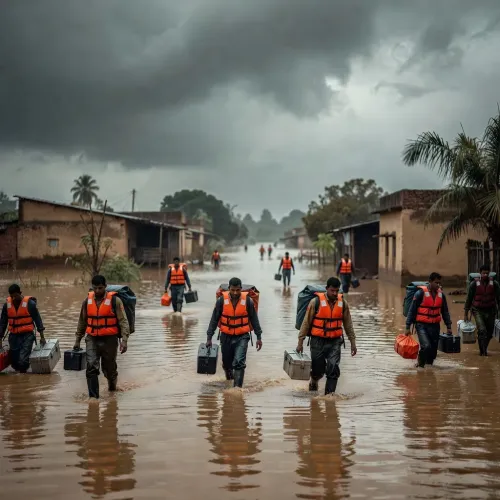
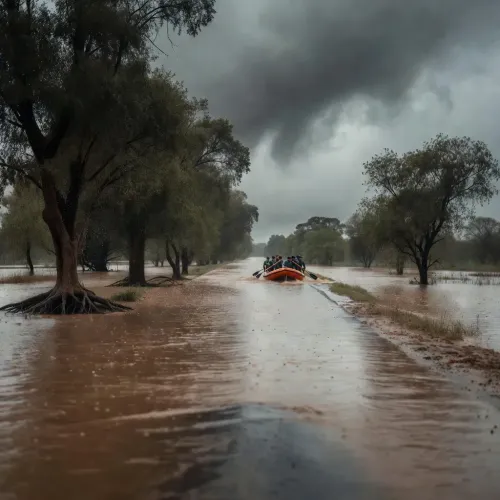
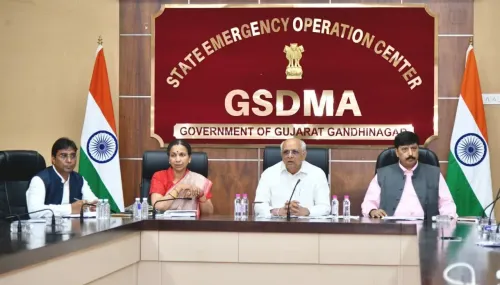
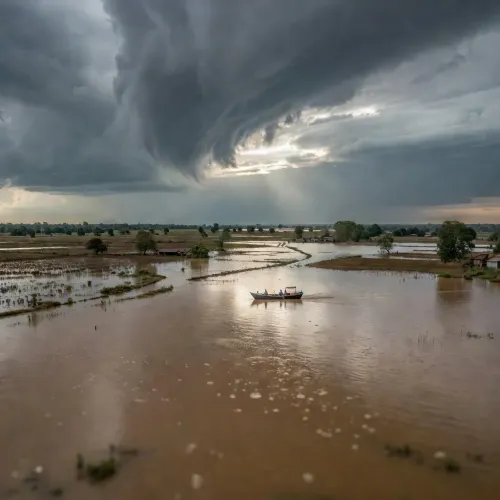
The Chief Minister's Office of Gujarat announced on Thursday, 23 July 2026 that Prime Minister Narendra Modi personally contacted Chief Minister Bhupendra Patel to seek a detailed briefing on the situation arising from heavy rainfall across the state. The Prime Minister assured that the Central Government would extend complete support in rescue, relief, and safety operations.
The post, shared in Gujarati, states: 'માનનીય વડાપ્રધાનશ્રીએ ભારે વરસાદને કારણે રાજ્યમાં ઊભી થયેલી પરિસ્થતિમાં કેન્દ્ર સરકાર તરફથી બચાવ, રાહત અને સલામતીના પગલાંઓમાં સંપૂર્ણ મદદની ખાતરી આપી છે' ['The honourable Prime Minister assured complete help from the Central Government in rescue, relief, and safety measures in the situation arising due to heavy rainfall in the state.']
Context
Gujarat, situated on India's western coast, is periodically battered by intense monsoon rainfall that strains local administrative and relief machinery. The state has experienced repeated flooding events in recent decades, making high-level central-state coordination a near-annual necessity during the monsoon season. CM Bhupendra Patel, who has led the state since 2021, briefed the Prime Minister directly on the ground situation following the latest spell of heavy rain.Policy Backdrop
India's disaster response framework is governed by the Disaster Management Act, 2005, which establishes clear protocols for coordination between the Central Government and state administrations during natural calamities. Under this framework, the Centre can mobilise the National Disaster Response Force (NDRF) and release funds through the National Disaster Response Fund (NDRF) to supplement state resources when local capacity is stretched. PM Modi has a documented record of personally engaging with chief ministers during major weather events, signalling political priority alongside administrative action.Stakeholders and Impact
The primary stakeholders are the flood-affected residents of Gujarat, whose safety, displacement, and property loss depend on the speed and scale of rescue and relief operations. State agencies, including the State Disaster Management Authority, are expected to work in tandem with any centrally-deployed teams. The Prime Minister's direct call and public assurance serves both an administrative function — fast-tracking central resources — and a communicative one, signalling to citizens that the highest level of government is engaged.What's Next
Attention will now turn to whether the Central Government formally deploys additional NDRF teams to the state and whether a request is made for, or funds are released from, the National Disaster Response Fund. The pace of relief operations on the ground will be the clearest indicator of how quickly the Centre's assurance translates into tangible support for affected communities. Any formal damage assessment or inter-ministerial coordination meetings in the coming days will further define the scale of the Centre's response.Point of View
Which governs both the Centre and Gujarat, such coordination also pre-empts any perception of administrative neglect. The public assurance of 'complete support' sets a visible benchmark against which the speed and adequacy of actual relief deployment will be measured. How quickly NDRF teams arrive and funds flow will determine whether this call is remembered as decisive action or a routine reassurance.
NationPress
23 Jul 2026
Frequently Asked Questions
Why did PM Modi call Gujarat CM Bhupendra Patel on 23 July 2026?
PM Modi called CM Bhupendra Patel to get a detailed briefing on the situation caused by heavy rainfall in Gujarat and to assure him of full Central Government support in rescue, relief, and safety operations.
What support has the Central Government promised Gujarat for flood relief?
The Central Government, through PM Modi, has assured complete assistance in rescue, relief, and safety measures to address the situation arising from heavy rainfall in Gujarat.
What is the NDRF and how does it help during floods?
The National Disaster Response Force (NDRF) is a specialised federal agency deployed during natural disasters. It assists state governments with search, rescue, and relief when local capacity is overwhelmed.
What is India's legal framework for disaster management?
The Disaster Management Act of 2005 governs India's disaster response framework, establishing coordination protocols between the Central Government and states, including mechanisms like the National Disaster Response Fund.
Is Gujarat prone to flooding during the monsoon season?
Yes, Gujarat is a western Indian state that is periodically affected by intense monsoon rainfall and flooding, making coordinated central-state disaster response a recurring necessity.