PM Modi at MCG: India-Australia sports ties set to deepen
Synopsis
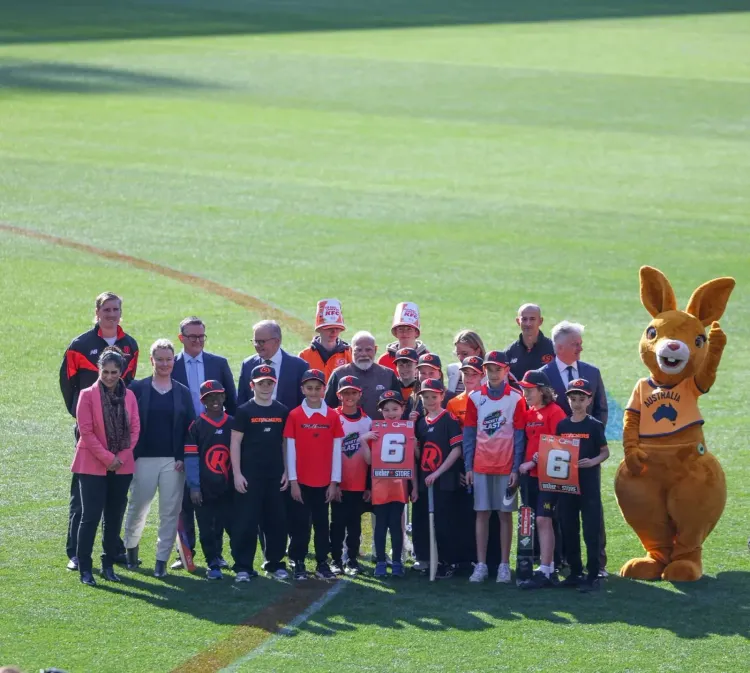
Prime Minister Narendra Modi visited Melbourne Cricket Ground on 10 July 2026, watching young athletes play cricket, Kabaddi and Australian rules football. He called the experience proof of sport's unifying power and flagged immense potential for India-Australia cooperation in sports infrastructure, youth engagement and talent development.
Key Takeaways
PM Narendra Modi visited the Melbourne Cricket Ground on 10 July 2026 during his Australia trip.
He watched young athletes compete in cricket , Kabaddi , and Australian rules football at the venue.
Modi called for deeper India-Australia cooperation in sports, youth engagement, infrastructure and talent development.
The two nations upgraded ties to a Comprehensive Strategic Partnership in 2020 , with people-to-people links as a key pillar.
Australia is set to host the 2032 Brisbane Olympics ; India hosted the 2023 ODI World Cup and holds future multi-sport hosting ambitions.
No specific agreements were announced; the Prime Minister's remarks are seen as setting the agenda for future bilateral summits.
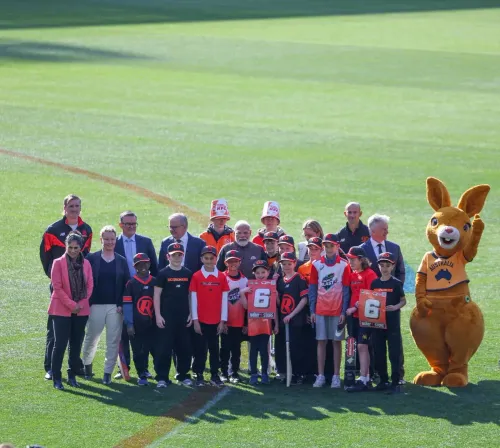
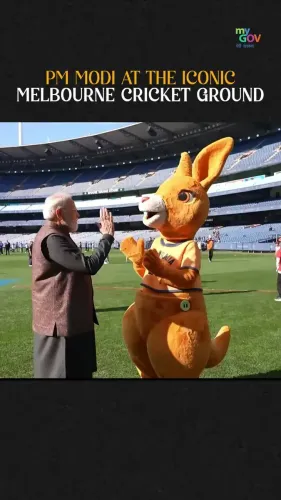
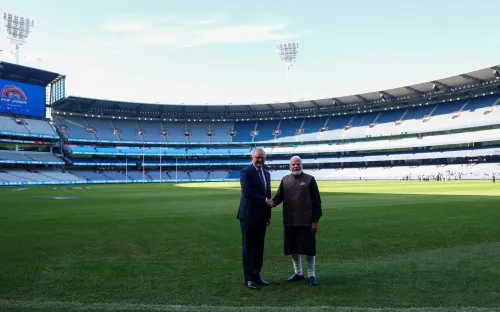
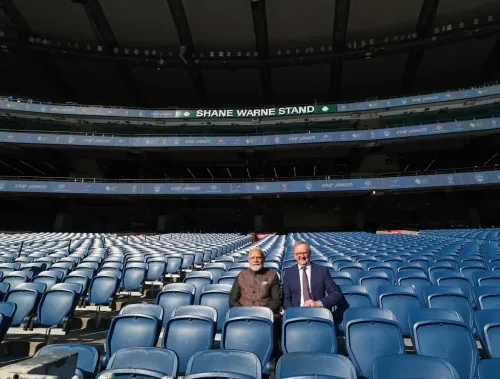
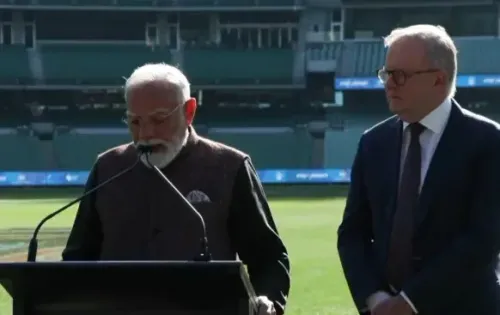
Prime Minister Narendra Modi visited the Melbourne Cricket Ground (MCG) on 10 July 2026, where he watched young athletes play cricket, Kabaddi, and Australian rules football, calling the experience a vivid demonstration of sport's power to unite people across cultures.
Posting on X, Modi said he was 'delighted to witness young sporting talent in action at the MCG,' adding that watching children participate in three distinct sporting traditions was 'a wonderful reminder that sport has a unique ability to connect people.' He noted that India and Australia share 'a deep sporting bond' and pointed to 'immense potential to deepen cooperation in sports, youth engagement, infrastructure and talent development' as both nations prepare to host major global sporting events.
Context
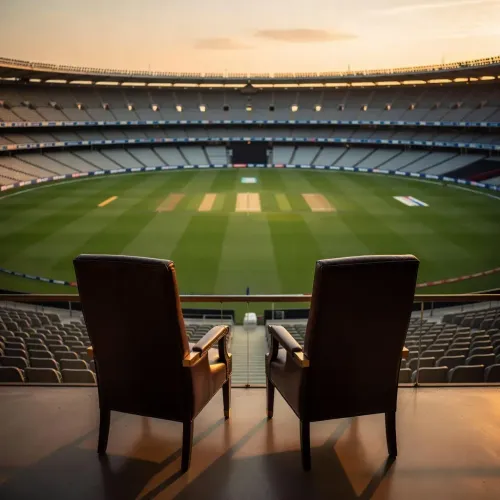
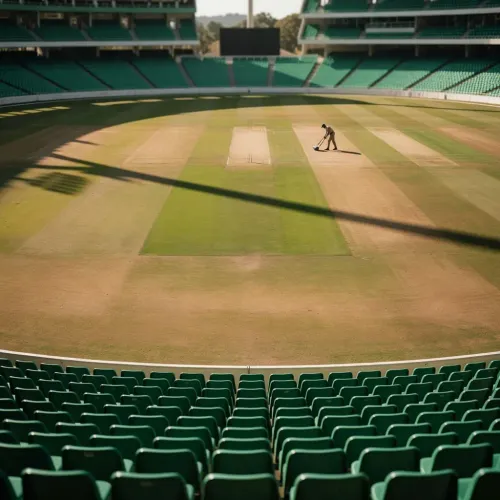
The Melbourne Cricket Ground, Australia's largest stadium with a capacity of nearly 1,00,000 spectators, has long been a symbol of the cricketing relationship between the two countries, hosting landmark India-Australia Test matches across decades. Modi's visit to the venue underscores how cricket — and now a broader range of sports — serves as a cultural bridge between the two democracies. The inclusion of Kabaddi, a contact sport of Indian origin, alongside Australian rules football in the same event signals a deliberate effort to represent both nations' sporting identities equally.
Policy Backdrop
India and Australia upgraded their bilateral relationship to a Comprehensive Strategic Partnership in 2020, a framework that spans defence, trade, technology, and people-to-people links. Sports diplomacy has increasingly been positioned as a complementary pillar to formal strategic engagements, including Quad summits. Modi has consistently used international visits to advance soft-power goals through sport, and his remarks at the MCG extend that pattern — explicitly naming youth engagement and infrastructure as areas ripe for bilateral cooperation. Australia is scheduled to host the 2032 Brisbane Olympics, while India hosted the 2023 ODI Cricket World Cup and continues to express ambitions for future multi-sport events.
Stakeholders and Impact
Young athletes from both countries stand to benefit most directly if the Prime Minister's remarks translate into formal agreements — whether through coaching exchanges, joint training camps, or shared sports infrastructure investment. Sports federations governing cricket, Kabaddi, and other disciplines could find new institutional pathways for collaboration. Beyond athletes, the emphasis on 'youth engagement' suggests a broader agenda: using sport as a vehicle for sustained people-to-people contact between two nations whose diaspora and trade ties are already substantial.
What's Next
The language Modi used — 'immense potential' and both nations preparing to 'host major global sporting events' — is aspirational rather than declarative, leaving room for concrete outcomes at the next India-Australia annual summit or through bilateral working groups. Observers will watch for any Memoranda of Understanding on sports infrastructure, talent development programmes, or coaching exchanges that may follow this visit. Any movement on joint Olympic preparation initiatives ahead of Brisbane 2032 would represent a significant step in converting this soft-power moment into durable policy.
Point of View
His team signals parity and mutual cultural respect, not just Indian fandom for a colonial-era sport. The explicit mention of 'infrastructure and talent development' hints at an agenda being prepared for the next formal summit, likely to include MoUs that give institutional weight to today's optics. Positioned against the backdrop of the 2032 Brisbane Olympics and India's own hosting ambitions, this moment could mark the beginning of a structured sports-diplomacy chapter within the already broad Comprehensive Strategic Partnership.
NationPress
10 Jul 2026
Frequently Asked Questions
Why did PM Modi visit the Melbourne Cricket Ground in July 2026?
PM Modi visited the MCG on 10 July 2026 as part of his Australia trip, where he watched young athletes play cricket, Kabaddi and Australian rules football and used the occasion to call for stronger India-Australia sports cooperation.
What is India and Australia's Comprehensive Strategic Partnership?
The Comprehensive Strategic Partnership was established in 2020 and covers defence, trade, technology and people-to-people links, with sports diplomacy increasingly recognised as a complementary pillar.
What sports did Modi watch at the MCG?
Modi watched children play cricket, Kabaddi — a contact sport of Indian origin — and Australian rules football, representing the sporting traditions of both nations.
Is India planning to host the 2032 Olympics?
Australia's Brisbane is the confirmed host of the 2032 Summer Olympics. India has expressed broader multi-sport hosting ambitions but no confirmed bid for 2032 has been verified.
What could come out of Modi's remarks on India-Australia sports cooperation?
Analysts expect possible Memoranda of Understanding on sports infrastructure, coaching exchanges or joint talent development programmes to be tabled at the next India-Australia annual summit.