PM Modi at SCO Summit in Bishkek
Synopsis
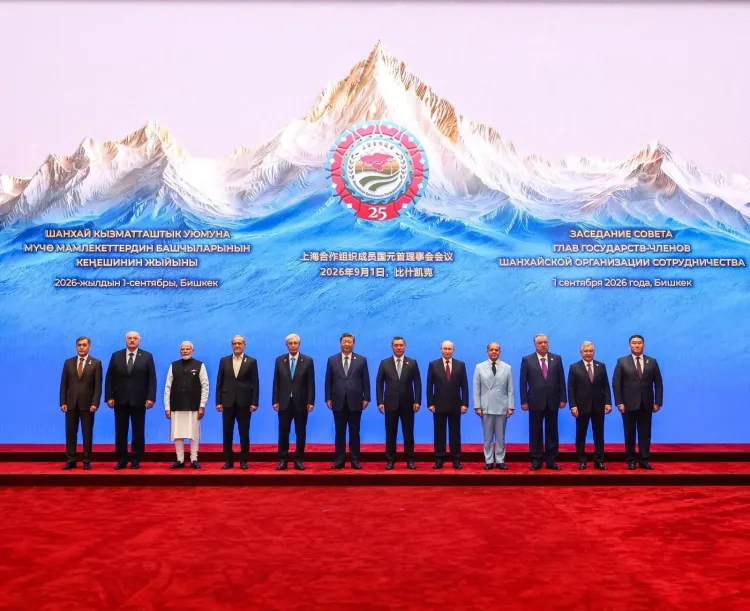
Prime Minister Narendra Modi is attending the SCO Summit in Bishkek, Kyrgyzstan. India has been a full SCO member since 2017, using the platform for engagement with Russia, China, and Central Asian states on security, connectivity, and counter-terrorism.
Key Takeaways
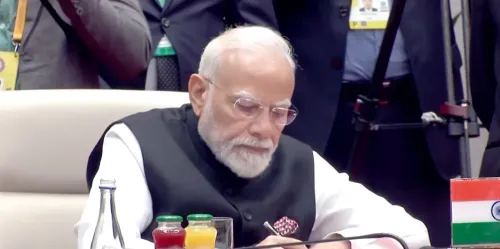
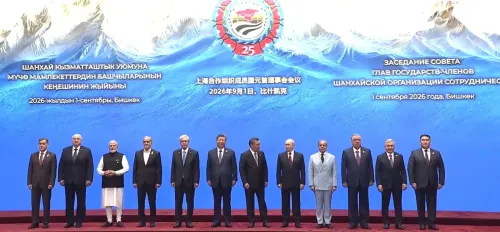
PM Narendra Modi is representing India at the SCO Summit in Bishkek , Kyrgyzstan.
The Shanghai Cooperation Organisation was founded in 2001 ; India joined as a full member at the 2017 Astana Summit .
The SCO brings together Russia, China, Pakistan , and the Central Asian republics under one multilateral framework.
Bishkek previously hosted the SCO Summit in 2019 , which Modi also attended.
India uses SCO summits for bilateral engagement on counter-terrorism, energy, and regional connectivity.
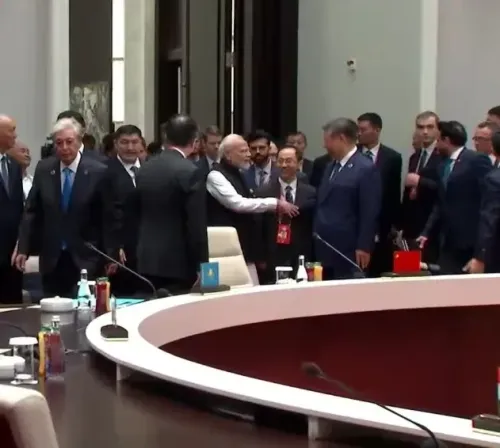
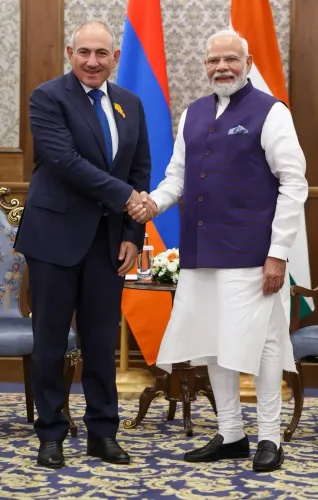
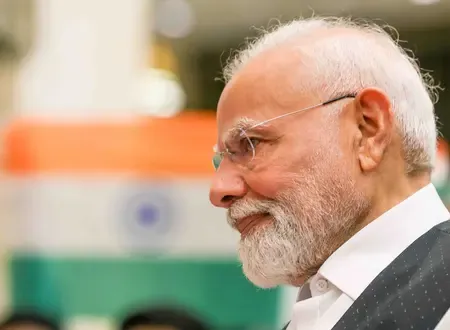
India's diplomatic footprint in Central Asia came into frame as Prime Minister Narendra Modi posted from the Shanghai Cooperation Organisation (SCO) Summit in Bishkek, the capital of Kyrgyzstan, signalling New Delhi's active engagement at one of Eurasia's most consequential multilateral tables.
What the SCO brings to the table
The Shanghai Cooperation Organisation, founded in 2001, has grown into a grouping that spans roughly half the world's population and a third of global GDP. India became a full member at the 2017 Astana Summit — a strategic move that placed New Delhi in the same room as Russia, China, Pakistan, and the Central Asian republics on questions of counter-terrorism, regional connectivity, and Eurasian security architecture.
Bishkek is no stranger to this forum — Kyrgyzstan hosted the SCO Summit previously in 2019, when Modi also attended. The city sits at the crossroads of Central Asian trade and security corridors, lending the venue a weight beyond ceremony.
Modi's SCO presence and India's strategic calculus
For India, the SCO platform is less about consensus declarations and more about the margins — the bilateral pull-asides, the corridor conversations, and the signal sent simply by showing up. New Delhi has consistently used these summits to advance engagement with Russia and the Central Asian republics on energy, connectivity, and counter-terrorism, even as its relationship with fellow member China remains layered with tension.
Modi's social-media post from the summit floor is itself a piece of diplomatic signalling — a public marker that India is present, engaged, and invested in the Eurasian conversation. The summit is expected to produce a joint declaration; any bilateral meetings on the sidelines will be the real story to watch.
Point of View
Placing India alongside China and Pakistan in a shared institutional framework even as bilateral tensions with both persist. New Delhi's consistent summit attendance signals that it views Eurasian connectivity and counter-terrorism architecture as strategic interests worth the diplomatic complexity. Bilateral side meetings, if any emerge, will reveal whether this summit cycle moves beyond optics.
NationPress
1 Sept 2026
Frequently Asked Questions
What is the SCO Summit and why is India part of it?
The Shanghai Cooperation Organisation is a Eurasian security and economic grouping founded in 2001. India became a full member in 2017 at the Astana Summit, joining to engage on counter-terrorism, regional connectivity, and security with Russia, China, and Central Asian states.
Where is Bishkek and why is the SCO Summit held there?
Bishkek is the capital of Kyrgyzstan, a Central Asian SCO member state. SCO summits rotate among member countries; Kyrgyzstan has hosted the summit before, including in 2019.
Has PM Modi attended the SCO Summit before?
Yes. PM Modi attended the SCO Summit in Bishkek in 2019 and has represented India at subsequent annual SCO summits since India's accession as a full member.
What does India aim to achieve at SCO summits?
India uses the SCO platform primarily for bilateral engagements on the sidelines — covering energy, connectivity, and counter-terrorism — as well as to maintain diplomatic presence in Eurasian multilateral forums.
What outcomes are expected from the Bishkek SCO Summit?
SCO summits typically produce a joint declaration on Eurasian affairs. Bilateral side meetings between member-state leaders are often the most substantive outcomes to watch.