CPI(M) 3-day Kozhikode meet to dissect Kerala election defeat
Synopsis
The CPI(M) heads into a high-stakes three-day session in Kozhikode with a fundamental question unresolved: was Kerala's election loss about government performance or organisational failure? With former CM Pinarayi Vijayan publicly resisting the anti-incumbency framing favoured by central leadership, the Kozhikode meeting could expose a rare fault line at the top of the party.
Key Takeaways
CPI(M) will hold an extended state committee meeting in Kozhikode from 13 to 15 September .
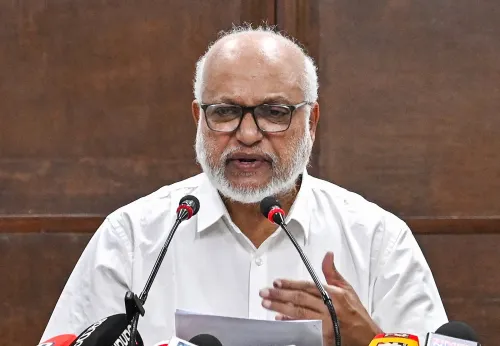
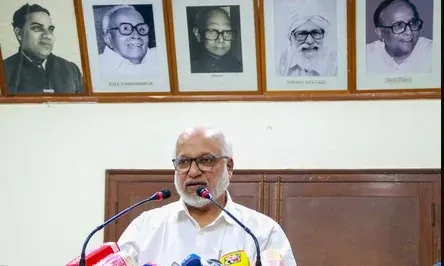
General Secretary M.A.
Baby and nine politburo members will oversee the three-day session.
Central leadership has flagged anti-incumbency and campaign over-identification with the government as key factors behind the defeat.
Former Chief Minister Pinarayi Vijayan has offered a divergent view in public, stopping short of attributing the loss to government performance.
The review will assess organisational health, cadre dissatisfaction, and grassroots outreach — not just electoral outcomes.
The session's conclusions will determine whether the party's corrective focus falls on governance accountability, organisational renewal, or both.
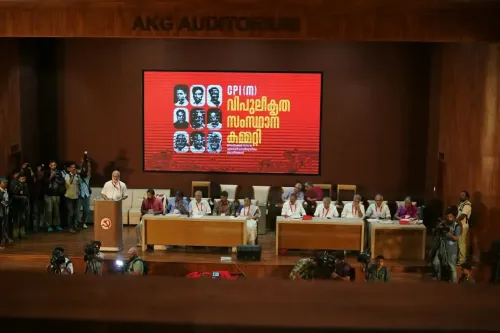
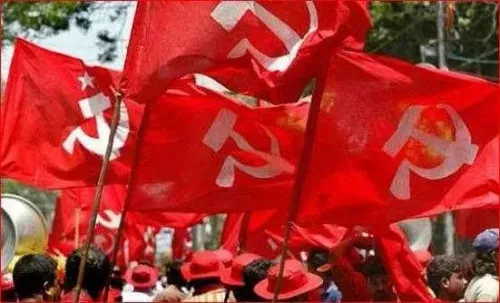
The Communist Party of India (Marxist) (CPI(M)) is set to convene a critical extended state committee meeting in Kozhikode from 13 to 15 September to conduct a comprehensive post-mortem of its setback in the Kerala Assembly elections. The three-day session will be chaired by General Secretary M.A. Baby, flanked by nine politburo members, and is expected to be the party's most searching internal reckoning in recent years.
What the Kozhikode Session Will Cover
The extended state committee is tasked with examining the full spectrum of factors behind the electoral defeat — not merely the vote count, but the organisational health, cadre morale, and the party's relationship with different sections of Kerala society. Central leadership has already flagged anti-incumbency and the over-identification of the campaign with the outgoing government and its leadership as key concerns requiring honest scrutiny.
Beyond electoral arithmetic, the discussions are expected to probe grassroots-level weaknesses, dissatisfaction among sections of the cadre, and the effectiveness of political outreach at the local level. The party's stated objective is to convert the lessons of defeat into concrete corrective measures — a process the CPI(M) has institutionalised through detailed post-election reviews after previous setbacks.
The Pinarayi Factor: A Divergent Narrative
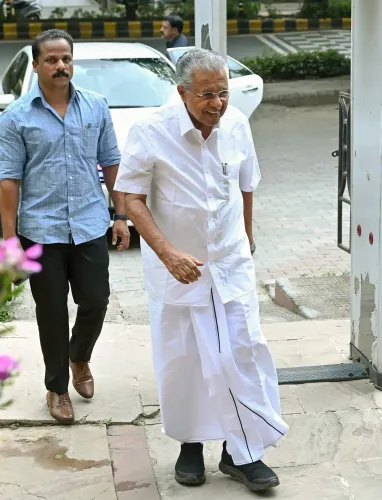
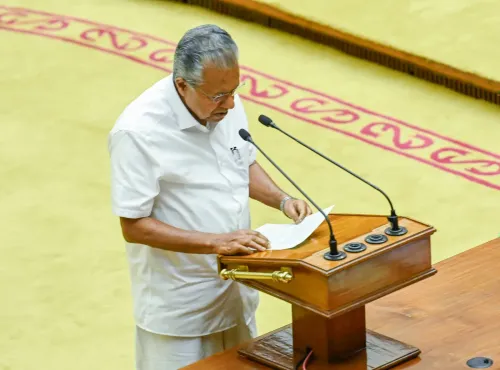
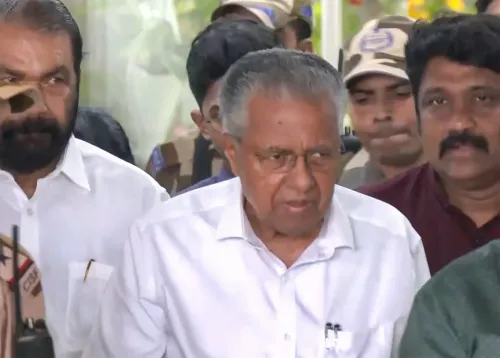
A notable undercurrent heading into the Kozhikode session is the position of former Chief Minister Pinarayi Vijayan. During his ongoing engagements in Kannur, Vijayan has publicly emphasised the broader organisational and political challenges confronting the party and its supporters, stopping short of attributing the defeat primarily to the government's performance record.
This framing diverges from the central leadership's emphasis on anti-incumbency and campaign strategy — a tension that is expected to add considerable political weight to the internal deliberations. How the party navigates this divergence will be closely watched both inside and outside the CPI(M).
M.A. Baby's Role and the Review Framework
General Secretary M.A. Baby's conduct of the session will be scrutinised as a signal of the party's willingness to pursue an unflinching review within established organisational processes. The central leadership has indicated that the review must address whether the campaign was too closely tied to government performance rather than independent party outreach — a structural question with implications for future electoral strategy.
The role of the state leadership during the campaign, and the manner in which the government's record was projected to voters, are also expected to come under examination. Critically, the outcome of these discussions will determine whether the CPI(M)'s corrective course prioritises government performance accountability, organisational renewal, or a combination of both.
What Comes Next for CPI(M) in Kerala
The Kozhikode meeting is likely to be followed by further extended sessions to translate the review's findings into actionable party directives. For a party with a tradition of rigorous self-assessment, the forthcoming deliberations represent the first collective platform to chart a path back to electoral relevance in Kerala. The direction set here will shape the CPI(M)'s political and organisational strategy in the state for the foreseeable future.
Point of View
But their impact depends on whether the party's senior figures speak with one voice — and here, they clearly do not. Pinarayi Vijayan's public framing in Kannur, which deflects from government performance as the primary cause, runs counter to the central leadership's anti-incumbency diagnosis. That divergence, if unresolved in Kozhikode, risks producing a review document that papers over the real fault lines. The deeper question is structural: the CPI(M) in Kerala has long governed as a party-state hybrid, and untangling electoral accountability from organisational loyalty is precisely the kind of exercise that past reviews have skirted. Whether M.A. Baby has the political capital to push past that pattern will define the session's actual worth.
NationPress
16 Oct 2026
Frequently Asked Questions
Why is the CPI(M) holding a special state committee meeting in Kozhikode?
The CPI(M) is convening the three-day extended state committee meeting from 13 to 15 September in Kozhikode to conduct a comprehensive review of its defeat in the Kerala Assembly elections. The party aims to identify organisational and political weaknesses and translate lessons from the setback into corrective measures.
Who will lead the CPI(M) Kozhikode review session?
General Secretary M.A. Baby will chair the extended state committee meeting, alongside nine politburo members. Baby's conduct of the session is expected to be closely watched as an indicator of how rigorously the party pursues internal accountability.
What is the difference between Pinarayi Vijayan's position and the central leadership's view on the election defeat?
The CPI(M)'s central leadership has emphasised anti-incumbency and the campaign's over-identification with the government as key reasons for the defeat. Former Chief Minister Pinarayi Vijayan, however, has publicly highlighted broader organisational and political challenges without conceding that government performance was the primary cause — a divergence that is expected to surface during the Kozhikode discussions.
What specific issues is the CPI(M) expected to examine at the Kozhikode meeting?
The party is expected to examine anti-incumbency sentiment, cadre dissatisfaction, grassroots organisational weaknesses, the party's relationship with different sections of society, and the manner in which the government's performance was presented during the campaign. The review aims to go beyond vote tallies to address structural concerns.
What will the outcome of the Kozhikode session determine for the CPI(M)?
The session's conclusions will shape whether the CPI(M)'s corrective strategy in Kerala focuses on government performance accountability, organisational renewal, or a combination of both. It is expected to be the first comprehensive platform for the party to collectively chart its political course following the election defeat.