Kerala CPI(M) after poll rebuke: Central Committee acts, leadership stays
Synopsis
The CPI(M)'s Central Committee has delivered one of its strongest-ever indictments of the Kerala state leadership — and then, apparently, left the same leaders in charge. With the state committee meeting cut short by a day and no visible dissent from within, the party faces a credibility test: can a political rebuke mean anything without organisational consequences?
Key Takeaways
The CPI(M) Central Committee substantially rewrote the Kerala unit's election review, holding state leaders responsible for strategic failures.
The Kerala State Committee accepted all Central corrections without any recorded dissent.
A State Committee meeting scheduled for two days concluded in a single day on Thursday , fuelling speculation about reluctance to debate the report.
Pinarayi Vijayan and State Secretary M.V.
Govindan remain in their positions despite the rebuke.
An expanded State Committee meeting is scheduled in Kozhikode from 13 to 15 September to decide on corrective measures.
The Central leadership may also intervene before September if it deems the situation urgent.
The Communist Party of India (Marxist) finds itself in an unusual bind following its post-election review: the party's Central Committee has delivered one of its sharpest indictments of the Kerala state leadership in recent memory, yet the balance of power within the organisation appears virtually unchanged. The contradiction, playing out in Thiruvananthapuram, defines the CPI(M)'s current moment.
A Damning Review, Accepted Without Dissent
The Central Committee substantially rewrote the Kerala unit's own election post-mortem, holding the state leadership accountable for a series of strategic and political missteps. The indictment covered a wide range — from the handling of Vellappally Natesan's controversial remarks and the Global Ayyappa Conference episode to candidate selection, coalition management, and what the Central leadership described as unilateral decision-making.
The Kerala State Committee accepted every correction proposed by the Central leadership without recording any visible dissent. That silence, observers note, is as telling as the rebuke itself.
Meeting That Ended a Day Early
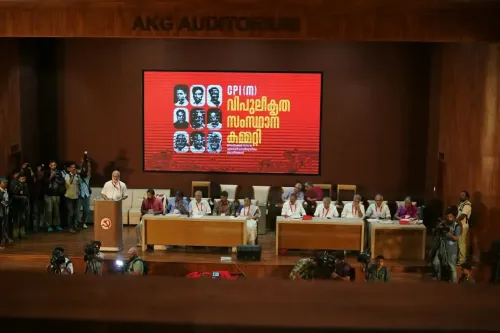
A crucial State Committee meeting scheduled to run for two days concluded within a single day on Thursday. Officially, the agenda was limited to reporting the Central Committee's decisions. Politically, however, the abbreviated session has fuelled speculation that senior leaders had little appetite for a prolonged debate over a document that effectively questioned their own judgment. The brevity of the meeting has only deepened questions about whether genuine accountability is being pursued.
Vijayan and Govindan Remain Firmly in Place
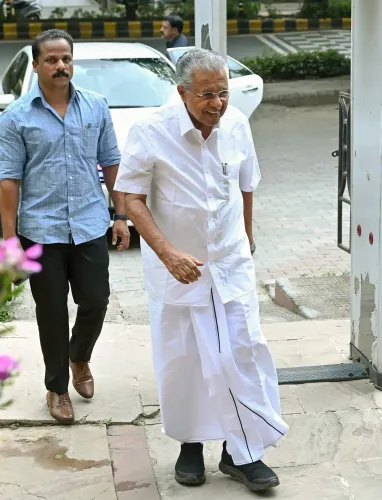
Leader of Opposition Pinarayi Vijayan continues to command considerable influence within the Kerala unit. Similarly, State Secretary M.V. Govindan faces no visible challenge to his position. The absence of any public dissent against either leader suggests that, despite the Central Committee's forceful intervention, the existing leadership retains a firm organisational grip. The Centre may have won the argument on paper; it has not yet reshaped the leadership in practice.
What Happens Next
Attention now shifts to an expanded State Committee meeting scheduled in Kozhikode from 13 to 15 September, where the party is expected to deliberate on how corrective measures will be implemented. Whether that meeting results in a meaningful organisational overhaul remains uncertain. Notably, it cannot be ruled out that the Central leadership could initiate changes even before September if it judges the situation to require immediate intervention.
The CPI(M) thus stands at an inflection point: its national leadership has asserted authority through a public political rebuke, while the state leadership continues to exercise day-to-day organisational control. How that contradiction is resolved will determine not only the future of the Kerala unit's leadership but also the credibility of the party's stated commitment to internal accountability.
Point of View
The Central Committee's intervention will be remembered as a correction without consequence — and the party's accountability framework will be exposed as largely performative.
NationPress
22 Oct 2026
Frequently Asked Questions
What did the CPI(M) Central Committee criticise the Kerala leadership for?
The Central Committee faulted the Kerala state leadership on multiple counts, including its handling of Vellappally Natesan's controversial remarks, the Global Ayyappa Conference episode, candidate selection, coalition management, and unilateral decision-making. It substantially rewrote the state unit's own post-election review, placing responsibility for the Assembly election defeat squarely on the state leadership.
Why did the Kerala State Committee meeting end a day early?
A State Committee meeting scheduled for two days concluded within a single day on Thursday. Officially the agenda was limited to reporting Central Committee decisions, but the abbreviated session has prompted speculation that senior leaders were unwilling to engage in prolonged debate over a report that questioned their own judgment.
Are Pinarayi Vijayan and M.V. Govindan still in their positions?
Yes. Despite the Central Committee's sharp rebuke, both Leader of Opposition Pinarayi Vijayan and State Secretary M.V. Govindan remain firmly in place, with no public challenge to either leader emerging from within the organisation.
What is the significance of the Kozhikode meeting in September?
An expanded State Committee meeting is scheduled in Kozhikode from 13 to 15 September, where the CPI(M) is expected to decide how the Central Committee's corrective measures will be implemented. Whether the meeting results in an organisational overhaul or produces only procedural resolutions remains to be seen.
Could the Central leadership act before the September meeting?
It is possible. Reports indicate the Central leadership has not ruled out initiating changes before September if it believes the situation demands immediate intervention, though no such move has been announced as yet.