Pinarayi Vijayan faces internal CPI(M) revolt after Kerala poll rout
Synopsis
Pinarayi Vijayan — once untouchable within the CPI(M) — is now facing the most serious internal revolt of his political career. From grassroots area committees to the Central Committee in Delhi, party members are openly blaming his leadership style for Kerala's electoral collapse, and the national leadership has refused to accept the state unit's claim that no anti-incumbency existed.
Key Takeaways
Pinarayi Vijayan faces unprecedented internal criticism within the CPI(M) following the party's electoral rout in Kerala .
The CPI(M) Central Committee reportedly rejected the Kerala state unit's argument that no anti-incumbency sentiment existed ahead of the defeat.
At the Chalakudy Area Committee , members accused Vijayan's public remarks and style of distancing voters from the party.
State secretary M.V.
Govindan also faces criticism, but party insiders say Vijayan remains the primary target of internal anger.
Complaints over candidate selection and local leadership functioning have added to the internal pressure on the Kerala CPI(M) leadership.
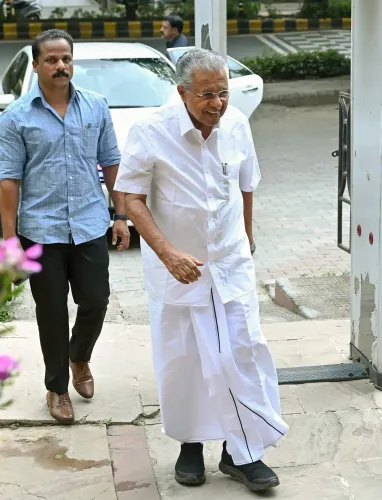
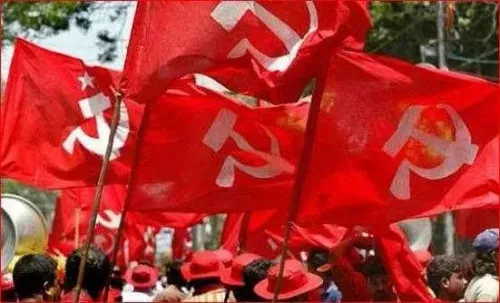
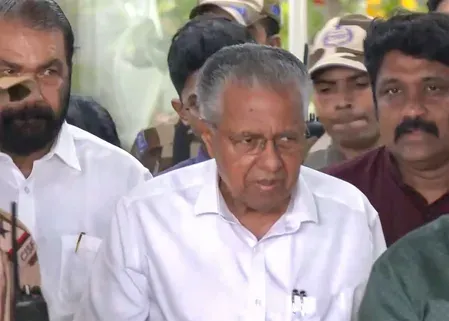
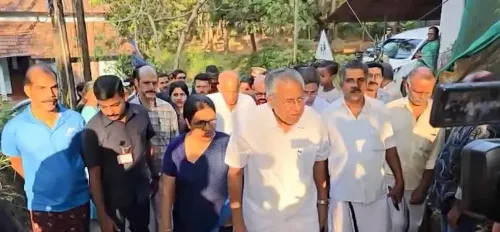
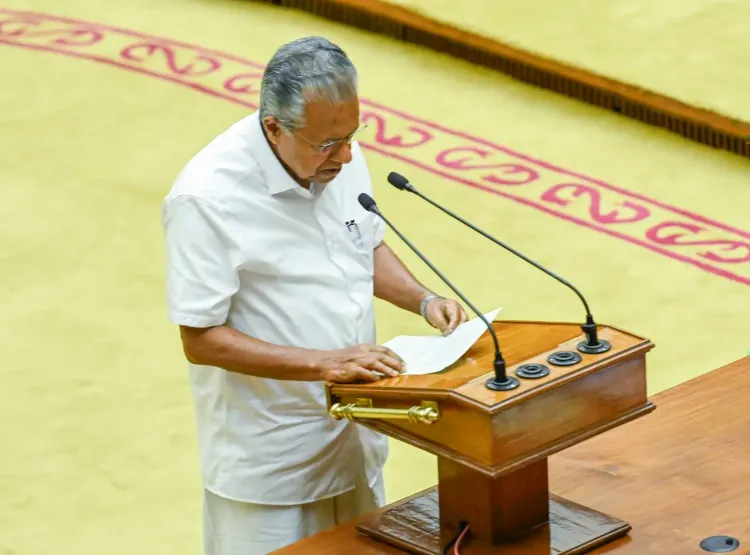
For perhaps the first time in his six-decade public life, former Kerala Chief Minister Pinarayi Vijayan finds himself politically cornered — not by opposition rivals, but by the very party machinery he once commanded with unquestioned authority. The Communist Party of India (Marxist) [CPI(M)]'s crushing electoral defeat in Kerala has set off an unprecedented wave of internal criticism, stretching from grassroots area committees all the way to the party's national leadership forums.
The Scale of the Backlash
Vijayan, who spent nearly a quarter century as the undisputed power centre of Kerala's CPI(M) and ran the state government for the past decade with an iron grip, is now confronting criticism on a scale rarely seen in the party's tightly disciplined history. Party members across levels have openly questioned his leadership style, public conduct, and the direction he gave the organisation.
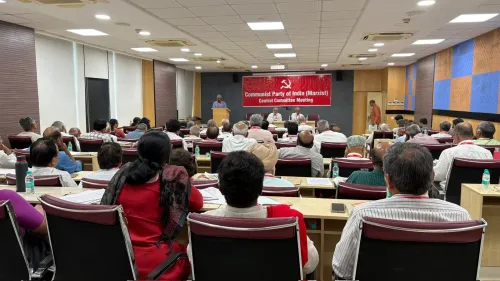
Notably, what has particularly unsettled the Kerala leadership is the CPI(M) Central Committee's outright rejection of the state unit's claim that no anti-incumbency sentiment existed in Kerala. National leaders reportedly demanded an explanation for how the party could collapse so dramatically if public resentment against the government was absent.
Grassroots Anger Breaks Into the Open
The criticism has not stayed confined to party headquarters in New Delhi. At area committee meetings across Kerala, rank-and-file members have openly accused Vijayan's communication style and public remarks of alienating ordinary voters from the CPI(M). At the Chalakudy Area Committee, members reportedly stated that the former Chief Minister's words and approach actively distanced the electorate from the party.
Complaints also surfaced over candidate selection processes and the functioning of local leadership structures — issues that party workers say compounded the electoral damage.
Govindan Also in the Crosshairs
State secretary M.V. Govindan has not escaped scrutiny either. Party workers have complained that even committed cadre members found it difficult to comprehend his responses on sensitive political questions. However, within party circles, the growing consensus is that while Govindan shares responsibility, Vijayan remains the principal target of anger and frustration.
This comes amid a broader reckoning within the Left about whether its governance model in Kerala had drifted too far from its grassroots base — a question the Central Committee appears unwilling to let the state leadership sidestep.
The Cracking of an Aura
The same leader once regarded as politically invincible within the CPI(M) is now facing demands for sweeping organisational corrections from every tier of the party. Even as the leadership attempts damage control, one reality has become difficult to obscure: the aura of invincibility that long surrounded Pinarayi Vijayan has suffered its most significant crack to date.
How the CPI(M) manages this internal reckoning — and whether Vijayan retains any meaningful influence in shaping what comes next — will define the party's trajectory in Kerala for years ahead.
Point of View
Top-down governance style delivered electoral wins when the opposition was fragmented, but it also hollowed out the participatory cadre culture that once made the Kerala Left resilient. The Central Committee's refusal to accept the 'no anti-incumbency' argument is significant — it signals that national leadership will not shield the state unit from accountability this time. Yet the party faces a dilemma: dismantling Vijayan's legacy risks destabilising the only Left-governed state in India, while preserving it risks institutionalising the very culture that voters appear to have rejected.
NationPress
9 Oct 2026
Frequently Asked Questions
Why is Pinarayi Vijayan facing criticism within the CPI(M)?
Vijayan is facing internal criticism following the CPI(M)'s severe electoral defeat in Kerala. Party members across levels, from area committees to the Central Committee, have blamed his leadership style, public conduct, and governance approach for alienating voters and contributing to the loss.
What did the CPI(M) Central Committee say about the Kerala defeat?
The Central Committee reportedly rejected the Kerala state unit's claim that there was no anti-incumbency sentiment in the state. National leaders questioned how the party could suffer such a dramatic collapse if public resentment against the government did not exist.
Who else in the CPI(M) Kerala leadership is under fire?
State secretary M.V. Govindan has also come under criticism, with party workers saying cadre members struggled to understand his responses on sensitive political issues. However, internal perception holds that Vijayan remains the primary target of anger.
What specific complaints were raised at area committee meetings?
At the Chalakudy Area Committee, members reportedly stated that Vijayan's words and public approach distanced voters from the party. Broader complaints also emerged over candidate selection and the functioning of local leadership structures.
What does this mean for the CPI(M)'s future in Kerala?
The internal revolt signals a significant shift in the party's power dynamics. How the CPI(M) navigates this reckoning — and the extent to which Vijayan retains influence — will shape the party's organisational direction and electoral strategy in Kerala for the foreseeable future.