Modi in Auckland: First Indian PM visit in 40 years, 'Kia Ora Modi' event draws 12,000
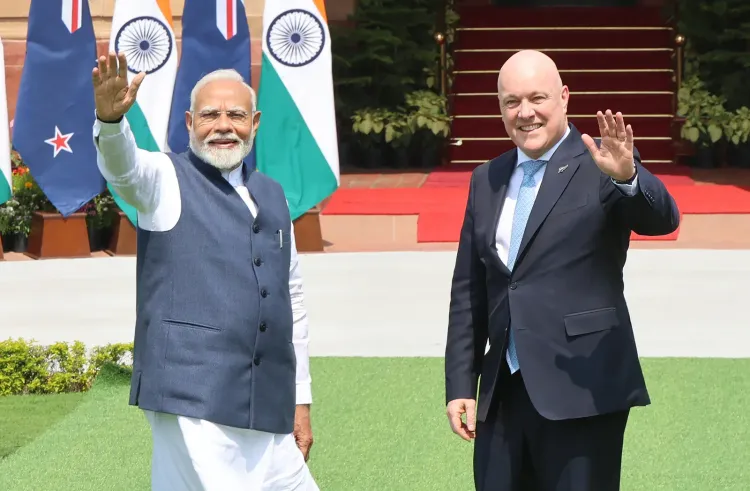
Synopsis
For the first time in four decades, an Indian Prime Minister is landing in New Zealand — and Auckland's 400,000-strong Indian diaspora isn't holding back. The 'Kia Ora Modi' reception at Spark Arena could draw 12,000 people, making it the largest Indian community event in New Zealand's history, as a freshly signed FTA and air connectivity deal give the visit real diplomatic weight.
Key Takeaways
PM Narendra Modi arrives in Auckland on Friday, 11 July 2025 — the first official visit by an Indian PM to New Zealand in 40 years .
Modi will hold bilateral talks with New Zealand PM Christopher Luxon on Saturday , covering trade, connectivity, and the broader bilateral relationship.
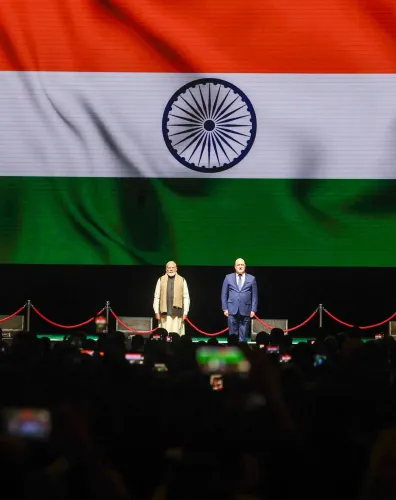
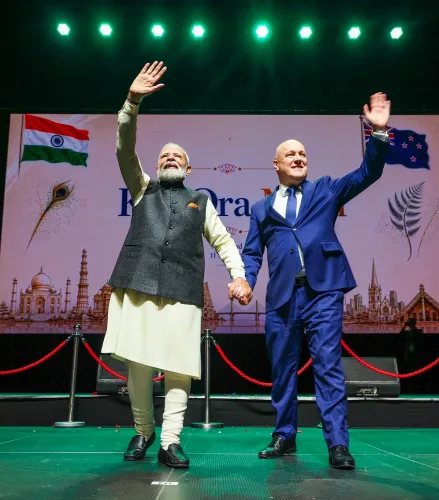
The 'Kia Ora Modi' community reception at Spark Arena is expected to draw between 10,000 and 12,000 attendees.
A Free Trade Agreement (FTA) and an Air Connectivity Agreement between India and New Zealand were signed ahead of the visit.
New Zealand is home to approximately 400,000 people of Indian origin.
The visit follows PM Luxon's trip to India in March 2025 , signalling deepening bilateral momentum.
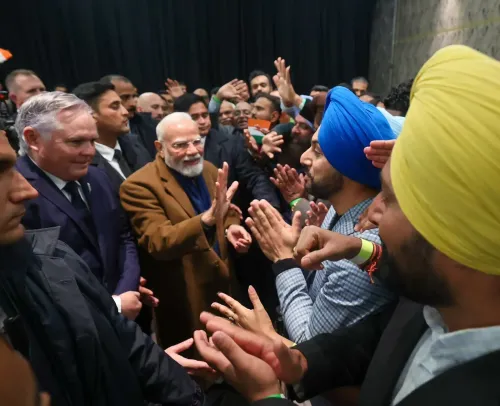
Prime Minister Narendra Modi is set to arrive in Auckland, New Zealand, on Friday, 11 July 2025, marking the first official visit by an Indian Prime Minister to the country in four decades. The visit, at the invitation of New Zealand Prime Minister Christopher Luxon, has generated extraordinary enthusiasm among the 400,000-strong Indian diaspora in New Zealand, who are preparing a landmark community reception dubbed 'Kia Ora Modi'.
Historic Visit After Four Decades
Modi's Auckland stopover comes on the heels of PM Luxon's own visit to India in March 2025, reflecting a notably accelerated pace in bilateral engagement. The two leaders are scheduled to hold formal discussions on Saturday, covering the full spectrum of the India–New Zealand bilateral relationship. Beyond the official talks, Modi is also expected to meet prominent business and sports personalities during the visit.
Bilateral Momentum: FTA and Air Connectivity
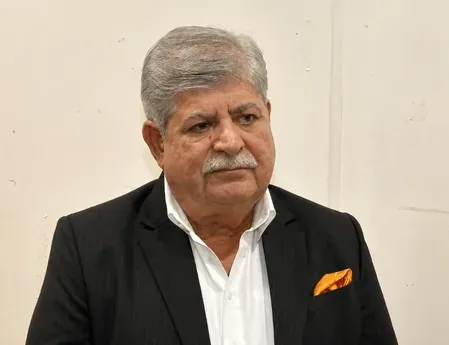
The visit arrives at a moment of tangible diplomatic progress. Bhav Dhillon, former Consul of India in Auckland, described the current bilateral climate as exceptionally positive, pointing to two landmark agreements concluded in recent months — a Free Trade Agreement (FTA) and an Air Connectivity Agreement. 'Very recently, we signed the FTA, we've signed the Air Connectivity Agreement, and a lot of other positive things have happened in the India–New Zealand ecosystem in the last two years,' Dhillon said. He emphasised that Modi's visit 'assumes massive importance' not just for bilateral ties but for the broader Indo-Pacific narrative.
'Kia Ora Modi': A Diaspora Welcome at Spark Arena
The centrepiece of the community response is the 'Kia Ora Modi' reception — a phrase blending the Maori greeting with the Prime Minister's name — to be held at Spark Arena in Auckland. Between 10,000 and 12,000 members of the Indian community are expected to attend, which Dhillon described as likely 'the biggest ever event like that to have happened in New Zealand.' 'The community has been waiting for an Indian PM for over four decades,' he noted. 'So, they have set up a very large grand community welcome reception.'
Economic and People-to-People Potential
Beyond the diplomatic optics, Dhillon outlined concrete areas where deeper India–New Zealand cooperation could bear fruit. He pointed to agri-technology and high-tech goods and services as sectors where New Zealand has a comparative edge, suggesting Indian businesses could pursue joint ventures that benefit New Zealand's agriculture industry. Student mobility was flagged as another high-priority area, with demand from Indian students for New Zealand's higher education institutions remaining robust.
What Comes Next
With Modi's Auckland schedule spanning just one day, the visit is compact but symbolically significant. Formal outcomes — including any joint statements or new agreements — are expected following the bilateral talks with Luxon on Saturday. The visit is likely to set the agenda for India–New Zealand engagement well into the coming years, particularly on trade implementation under the newly signed FTA.
Point of View
And the optics of 10,000-plus diaspora members filling Spark Arena will land well at home — but the real measure of this visit is whether the recently signed FTA moves toward implementation with credible timelines. India has signed trade frameworks before that stalled at the ratification or enforcement stage. The air connectivity agreement is more immediately tangible, and student mobility — a quietly powerful people-to-people lever — deserves more attention than it typically gets in the official readout. Modi's Indo-Pacific framing of the visit is also worth watching: New Zealand is a Five Eyes member, and deeper India–New Zealand ties carry strategic geometry that goes well beyond agri-tech joint ventures.
NationPress
8 Oct 2026
Frequently Asked Questions
When is PM Modi visiting New Zealand and why is it historic?
PM Modi is arriving in Auckland on Friday, 11 July 2025, making it the first official visit by an Indian Prime Minister to New Zealand in four decades. The visit was extended at the invitation of New Zealand PM Christopher Luxon and covers bilateral talks, business meetings, and a large diaspora event.
What is the 'Kia Ora Modi' event?
'Kia Ora Modi' is a community welcome reception for PM Modi to be held at Spark Arena in Auckland. Between 10,000 and 12,000 members of the Indian diaspora are expected to attend, potentially making it the largest Indian community event ever held in New Zealand.
What agreements have India and New Zealand recently signed?
India and New Zealand have signed a Free Trade Agreement (FTA) and an Air Connectivity Agreement in the period leading up to Modi's visit. Both deals are seen as major steps forward in the bilateral relationship.
What will PM Modi and PM Luxon discuss during the visit?
The two leaders are scheduled to hold formal bilateral talks on Saturday, reviewing the full range of India–New Zealand relations including trade, connectivity, people-to-people ties, and broader Indo-Pacific cooperation.
How large is the Indian community in New Zealand?
Approximately 400,000 people of Indian origin live in New Zealand, according to former Consul of India in Auckland Bhav Dhillon. The community has grown significantly in recent years and is one of the most engaged diaspora groups in the country.