Karnataka power sector on El Nino alert: 500 MW BESS, solar push ordered
Synopsis
Karnataka is not waiting for El Nino to hit — it is already racing to commission a 500 MVA battery storage system, fast-track JSW's 300 MW solar project, and lock in interstate power banking before October 2026, all while hydropower output has already fallen sharply this season. The state's multi-front response is one of the most detailed climate-resilience power plans any Indian state has publicly outlined this year.
Key Takeaways
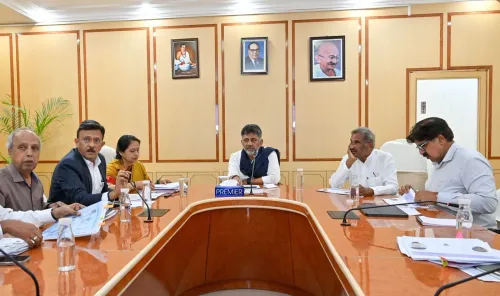
Additional Chief Secretary (Energy) Gaurav Gupta chaired a power-sector review at BESCOM 's Belaku Bhavan on 9 July to counter El Nino risks.
Hydropower generation has already declined significantly this season due to inadequate monsoon rainfall.
KPTCL has been directed to expedite commissioning of a 500 MVA Battery Energy Storage System (BESS) .
KREDL will fast-track JSW's 300 MW solar project ; ESCOMs to accelerate PM-KUSUM-B and PM-KUSUM-C schemes.
PCKL will procure 500–700 MW from cogeneration plants; interstate power banking to be operationalised before October 2026 .
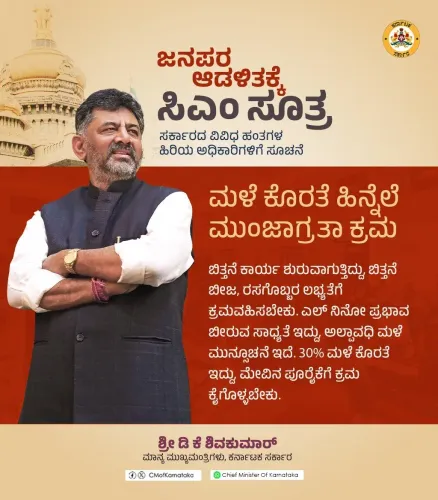
Shivakumar has directed zero disruption in supply; preparations to cover supply through May 2027 .
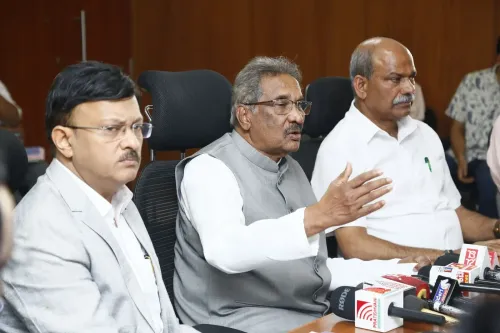
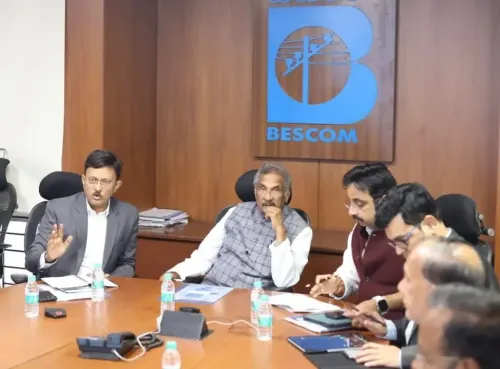
Karnataka has intensified preparations to shield its power supply from the potential fallout of the El Nino weather phenomenon, with Additional Chief Secretary (Energy) Gaurav Gupta chairing a high-level review meeting at BESCOM's corporate office, Belaku Bhavan, in Bengaluru on Thursday, 9 July. Officials across the state's electricity ecosystem were directed to formulate a comprehensive contingency strategy to ensure uninterrupted power supply under all weather conditions.
Why El Nino Threatens Karnataka's Power Grid
Gupta warned that deficient rainfall — a hallmark of El Nino years — could significantly curtail hydropower generation, which already accounts for a substantial share of Karnataka's electricity mix. He noted that hydropower output had already declined sharply this season due to inadequate monsoon rainfall, creating an immediate supply gap that requires bridging through alternate sources.
Compounding the challenge, heavy rains in several districts have simultaneously damaged electricity poles, transmission lines, and transformers, causing localised power disruptions. Gupta directed the Managing Directors of all Electricity Supply Companies (ESCOMs) to expedite restoration work and reinforce emergency preparedness protocols.
Key Directives: Thermal, Solar, and Storage
To offset the hydropower shortfall, officials were instructed to maximise generation from thermal power plants, ramp up utilisation of solar and wind energy, and procure additional electricity from cogeneration power plants. Specific mandates issued include:
The Karnataka Power Corporation Limited (KPCL) has been directed to maximise operational efficiency at thermal stations, maintain adequate coal stocks, and prioritise plant maintenance based on system requirements. The Karnataka Power Transmission Corporation Limited (KPTCL) has been asked to expedite commissioning of a 500 MVA Battery Energy Storage System (BESS) — a critical buffer against supply volatility.
The Karnataka Renewable Energy Development Limited (KREDL) will facilitate early implementation of JSW's 300 MW solar power project. ESCOMs and KREDL have also been directed to accelerate the PM-KUSUM-B and PM-KUSUM-C schemes, which support solar energy adoption among farmers and feeders.
Power Procurement and Banking Arrangements
The Power Company of Karnataka Limited (PCKL) has been tasked with completing procurement of 500–700 MW of electricity from cogeneration power plants. The government also plans to operationalise power banking arrangements with other states before October 2026, encompassing both round-the-clock (RTC) and peak-hour procurement mechanisms — a move that would give Karnataka flexibility to draw on surplus power from neighbouring grids during demand spikes.
What the Government Said
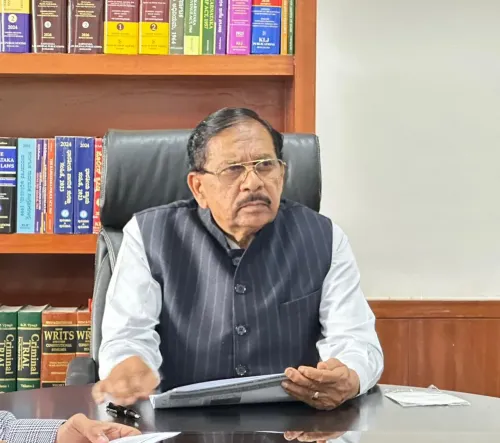
Energy and Tourism Minister K. J. George said Chief Minister D. K. Shivakumar had personally directed officials to ensure zero disruption in electricity supply even in the face of natural calamities. George instructed the department to begin preparations immediately to secure adequate power supply through to the end of May 2027, and emphasised that long-term power purchase agreements should be explored without placing an undue financial burden on the state.
The review meeting was attended by KPTCL Managing Director Dr V. Rama Prasath Manohar, BESCOM Managing Director Dr N. Shivashankar, PCKL Managing Director P. K. Venkatesh, KREDL Managing Director K. P. Rudrappaiah, and other senior officials. Managing Directors of all ESCOMs joined via video conference.
With Karnataka's power demand rising and climate variability intensifying, the state's multi-pronged response — spanning storage, renewables, thermal, and interstate banking — will be closely watched as a model for climate-resilient grid management.
Point of View
Named agencies, named deadlines — which is rare in Indian state-level energy governance. But the real test is execution: the 500 MVA BESS has been 'expedited' in official language before, and solar project timelines in India routinely slip. The deeper structural issue is Karnataka's high dependence on hydropower in a climate era where monsoon reliability is declining. Until the state diversifies its baseload away from rainfall-dependent sources, El Nino alerts will be a recurring annual scramble rather than a managed transition.
NationPress
9 Jul 2026
Frequently Asked Questions
Why is El Nino a threat to Karnataka's power supply?
El Nino typically suppresses monsoon rainfall over India, which directly reduces water levels in reservoirs used for hydropower generation. Karnataka relies significantly on hydropower, and officials confirmed output has already fallen sharply this season due to inadequate rainfall, creating a supply gap.
What is the 500 MVA BESS that Karnataka has ordered?
The 500 MVA Battery Energy Storage System (BESS) is a large-scale grid battery being commissioned by the Karnataka Power Transmission Corporation Limited (KPTCL). It will store surplus renewable energy and release it during peak demand or supply shortfalls, acting as a buffer against grid volatility.
What is JSW's 300 MW solar project in Karnataka?
It is a solar power project by JSW that the Karnataka Renewable Energy Development Limited (KREDL) has been directed to facilitate for early implementation, as part of the state's push to ramp up renewable generation to offset the hydropower shortfall.
What are the PM-KUSUM-B and PM-KUSUM-C schemes?
PM-KUSUM-B and PM-KUSUM-C are central government schemes that support installation of solar power plants on agricultural feeders and promote solar pump sets for farmers. Karnataka's ESCOMs and KREDL have been directed to accelerate their implementation as part of the El Nino preparedness plan.
When will Karnataka's interstate power banking arrangements be in place?
The Karnataka government plans to operationalise power banking arrangements with other states before October 2026, covering both round-the-clock and peak-hour power procurement to ensure flexibility during demand spikes or local supply shortfalls.