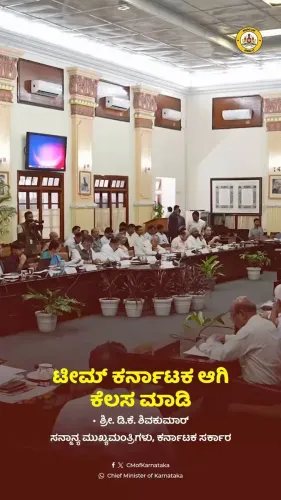
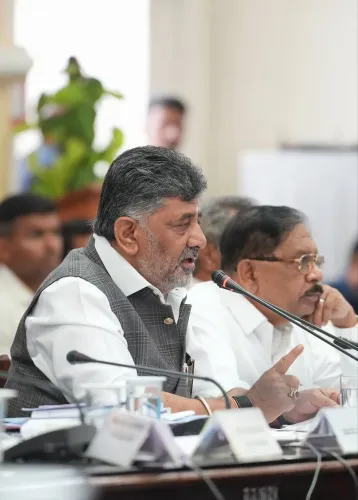
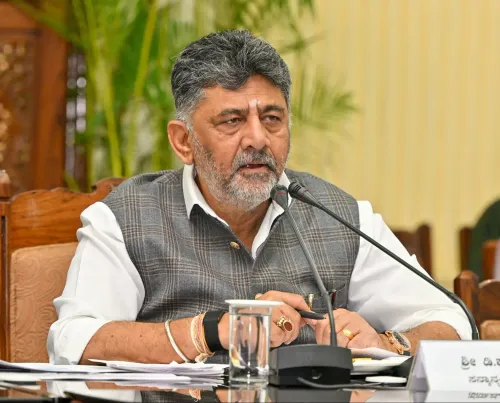
CM Shivakumar Issues Nine-Point Directive on Monsoon Preparedness
Synopsis
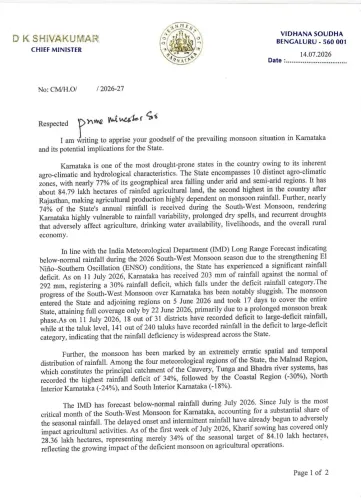
Karnataka CM DK Shivakumar's office on 15 June 2026 issued nine governance directives to senior state officials, ordering precautionary steps on seed, fertiliser and fodder supply amid a 30% monsoon deficit and forecast El Niño influence as kharif sowing begins.
Key Takeaways
The Chief Minister's Office of Karnataka shared nine directives from CM DK Shivakumar to senior officials on 15 June 2026 .
Karnataka is currently experiencing a 30% rainfall deficit , with El Niño conditions forecast to influence the monsoon.
Officials have been directed to ensure adequate supply of seeds and fertilisers as kharif sowing begins.
Measures to secure fodder supply for livestock have been specifically mandated.
The directive is framed under the #GuaranteeSarkara banner, the Karnataka Congress government's flagship welfare programme.
Karnataka has precedent for such advisories, having activated similar contingency plans during the 2015–16 El Niño event.
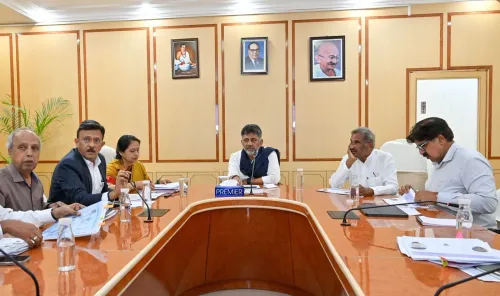
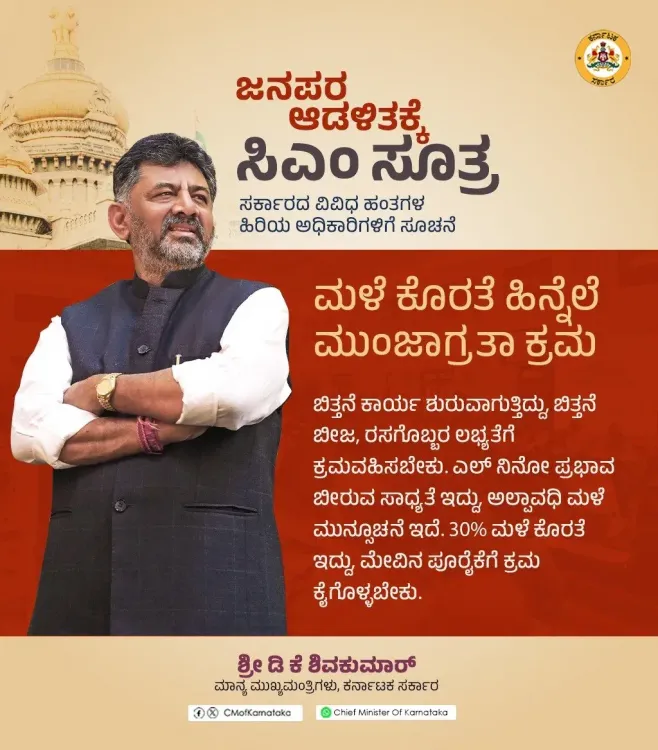
The Chief Minister's Office of Karnataka on Monday, 15 June 2026 shared a set of nine governance directives issued by Chief Minister DK Shivakumar to senior officials across various levels of the state government, with a sharp focus on pre-monsoon agricultural preparedness amid a reported 30% rainfall deficit.
Context
The post, shared in Kannada, outlines what the CMO describes as 'nava sutragalu' (nine principles) for people-centric governance. At the centre of the immediate directives is a warning about the influence of El Niño on Karnataka's monsoon, with the state already recording a 30% shortfall in rainfall. Officials have been directed to take precautionary steps ahead of the kharif sowing season.
The directive specifically calls for ensuring adequate availability of seeds and fertilisers as sowing operations begin, and for measures to secure fodder supply for livestock — two critical pressure points during any monsoon deficit year.
Policy Backdrop
Karnataka has a documented history of issuing pre-monsoon contingency advisories in years when El Niño conditions are forecast. Following the 2015–16 El Niño event, the state activated contingency plans covering seed and fodder distribution and drought declaration procedures across multiple districts.
Such circulars form part of routine coordination between the Chief Minister's Office, the revenue department, and the agriculture department at the onset of the kharif season. The #GuaranteeSarkara hashtag appended to the post ties the advisory to the Karnataka Congress government's broader welfare guarantee framework launched after the 2023 assembly elections.
Stakeholders and Impact
Small and marginal farmers who depend on the southwest monsoon for kharif sowing stand to be most directly affected by any prolonged rainfall deficit. Timely access to certified seeds and fertilisers at the start of the sowing window is critical to preventing yield losses.
Livestock owners across rain-shadow districts of Karnataka face fodder shortages during deficit monsoon years, making the directive on fodder supply a significant signal for pastoral communities. Senior officials at district and taluk levels are the immediate audience for these instructions.
What's Next
The India Meteorological Department's short-range forecasts, referenced in the directive, will be closely watched to determine whether the El Niño influence deepens or eases in the coming weeks. The state agriculture department's contingency plan implementation — particularly on seed and fertiliser distribution — will be the key operational test of these directives.
Progress on fodder bank stocking and any formal drought declaration procedures at the district level will indicate how seriously the administration is treating the current deficit. The CMO's public communication of these nine principles signals that accountability for preparedness is being set at the highest level of the state government.
Point of View
The Karnataka government is doing double duty — issuing an administrative instruction while signalling electoral accountability under the #GuaranteeSarkara brand. The move fits a broader pattern among Indian state governments of using social media as a real-time governance ledger, making official orders visible to citizens and not just bureaucrats. With a 30% rainfall deficit and El Niño in play, the stakes for kharif output and rural distress are real, and the directive creates a public benchmark against which official response can be measured. How swiftly the agriculture and revenue departments translate these nine principles into district-level action will determine whether this remains a communication exercise or a substantive policy intervention.
NationPress
14 Sept 2026
Frequently Asked Questions
What are the nine directives issued by Karnataka CM DK Shivakumar?
The Chief Minister's Office of Karnataka shared nine governance principles for people-centric administration on 15 June 2026, with the immediate focus on ensuring seed and fertiliser availability for kharif sowing and securing fodder supply for livestock amid a 30% monsoon rainfall deficit and El Niño forecast.
What is the current rainfall situation in Karnataka in 2026?
According to the CMO post dated 15 June 2026, Karnataka is facing a 30% rainfall deficit, with El Niño conditions forecast to influence the monsoon and only short-range rainfall predictions available.
How does El Niño affect Karnataka's monsoon and agriculture?
El Niño is a recurring climate phenomenon that typically suppresses southwest monsoon rainfall over southern India, leading to deficits that delay or disrupt kharif sowing and reduce fodder availability for livestock in Karnataka.
What is Guarantee Sarkara in Karnataka?
#GuaranteeSarkara is the hashtag and branding associated with the Karnataka Congress government's flagship welfare guarantee programmes launched after winning the 2023 state assembly elections.
What steps is the Karnataka government taking to handle the monsoon deficit?
CM DK Shivakumar has directed senior officials to ensure availability of seeds and fertilisers for kharif sowing and to take measures for fodder supply to protect livestock, in line with the state's established practice of issuing pre-monsoon contingency advisories during deficit years.