Karnataka CM Orders Ministers to Survey Drought-Hit Districts
Synopsis
The Karnataka government has deployed all cabinet ministers to drought-hit districts on CM DK Shivakumar's orders, tasking them with ground-level surveys of crop loss, fodder scarcity, and drinking water shortages — a move that typically precedes a formal drought declaration and state relief package.
Key Takeaways
CM DK Shivakumar has directed all Karnataka cabinet ministers to personally visit drought-affected districts.
Ministers are collecting field data on crop damage , fodder scarcity , and drinking water shortages .
The surveys cover multiple districts across Karnataka currently experiencing drought-like conditions.
The exercise follows a standard state protocol that precedes formal drought notification and central relief requests.
The CMO has stated the government is 'committed to protecting the livelihoods' of distressed farmers.
District-wise assessment reports are expected to inform the cabinet's decision on a formal drought declaration and relief package.
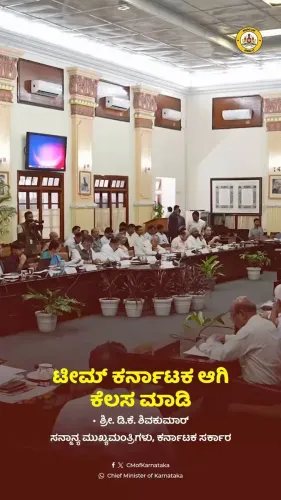
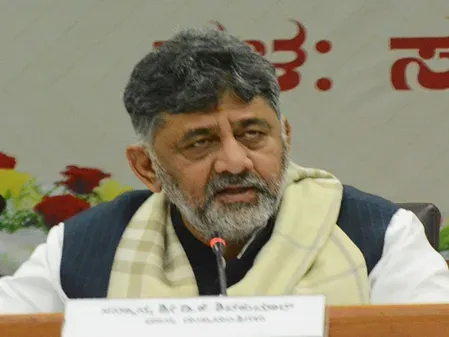
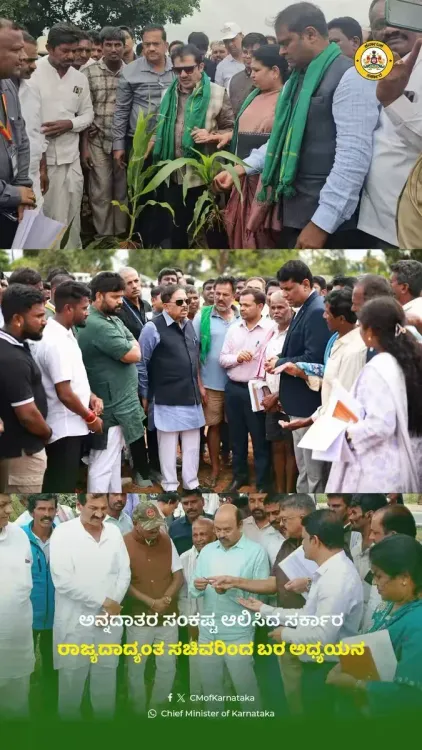
With drought conditions tightening their grip across several Karnataka districts, the state government has moved from concern to action — dispatching every cabinet minister to the ground to personally assess the scale of agricultural distress. The Chief Minister's Office of Karnataka announced on Saturday, August 8, 2026, that the field surveys are being carried out on the direct instructions of Chief Minister DK Shivakumar.
Ministers fan out to farms as drought bites
The Kannada-language post captures the urgency plainly: 'ಅನ್ನದಾತರ ಸಂಕಷ್ಟಕ್ಕೆ ಮಿಡಿದ ಸರ್ಕಾರ' — 'a government that feels the pain of the food-givers'. Ministers are visiting farmlands themselves, gathering on-the-spot data on crop damage, fodder scarcity, and drinking water shortages. The exercise is not a desk review; it is boots-on-ground, district by district.
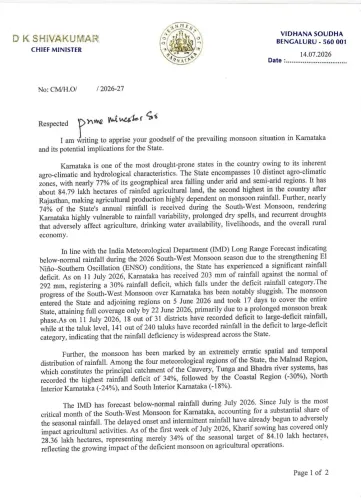
Karnataka's agricultural economy is acutely sensitive to monsoon failure. Several of the state's districts are reporting drought-like conditions this season, placing smallholder farmers — who depend on a single kharif crop — in acute financial peril. Fodder shortages compound the crisis for livestock-dependent households, while drinking water stress stretches the emergency beyond the fields.
The playbook: field surveys before formal declarations
This mobilisation follows a well-worn but consequential sequence in Karnataka's disaster-response playbook. State governments have historically ordered ministerial field assessments before formally notifying drought-affected taluks and triggering requests for central assistance under national disaster response frameworks. The surveys generate the district-wise crop-loss data that underpins both the official drought declaration and the relief quantum the state can claim.
The CMO's statement is explicit that the government 'stands behind the farmers in their hour of crisis and is committed to protecting their livelihoods' — language that signals a formal relief package is being prepared, not merely studied.
What the assessment will determine
The findings from each district will feed into the state cabinet's calculus: which taluks qualify for drought notification, how large a compensation package is warranted for crop loss, and whether emergency fodder depots or water-tanker deployments need to be scaled up immediately. A formal drought declaration also unlocks concessional loan restructuring for farmers through state-directed banking channels — a relief that can mean the difference between a farmer holding on or walking away from debt.
The next critical moment arrives when district-wise assessment reports surface and the cabinet decides on the relief architecture. Karnataka's farmers are watching for numbers, not just words.
Point of View
Chief Minister Shivakumar is also pre-empting opposition criticism of slow response. The real test, however, will be the speed and scale of the relief package that follows the surveys, since ground assessments without swift compensation often deepen farmer cynicism rather than ease it.
NationPress
22 Sept 2026
Frequently Asked Questions
Why are Karnataka ministers visiting farms in August 2026?
On the orders of Chief Minister DK Shivakumar, all cabinet ministers are conducting ground-level surveys in drought-affected districts to assess crop damage, fodder scarcity, and drinking water shortages — data that will inform the state's formal drought declaration and relief package.
Which districts in Karnataka are facing drought in 2026?
The Chief Minister's Office has stated that drought conditions are affecting several districts across Karnataka, though a full district-wise list is expected once the ministerial field assessments are completed and reports are submitted to the cabinet.
What relief can Karnataka farmers expect from the drought survey?
The survey findings typically trigger a formal drought notification, enabling crop-loss compensation, emergency fodder depots, water-tanker deployments, and concessional loan restructuring for affected farmers through state-directed banking channels.
What is DK Shivakumar's role in Karnataka's drought response?
As Chief Minister of Karnataka, DK Shivakumar has personally directed all cabinet ministers to conduct field assessments in drought-hit districts, signalling that the government is prioritising farmer welfare and preparing a coordinated relief response.
How does Karnataka declare a drought and get central funds?
Karnataka follows a standard protocol: ministerial field surveys generate district-wise crop-loss data, which the state cabinet uses to formally notify drought-affected taluks and submit a memorandum to the central government requesting assistance under national disaster response frameworks.