CM Dhami holds chai-pe-charcha, inspects pothole-free road drive
Synopsis
Chief Minister Pushkar Singh Dhami combined a tea-stall chat with local residents and an on-ground inspection of Uttarakhand's Gaddhamukt Sadak Abhiyan on October 29, 2026, signalling direct executive oversight of the state's pothole-repair drive.
Key Takeaways
CM Pushkar Singh Dhami visited a roadside tea stall on October 29, 2026 to interact directly with local residents.
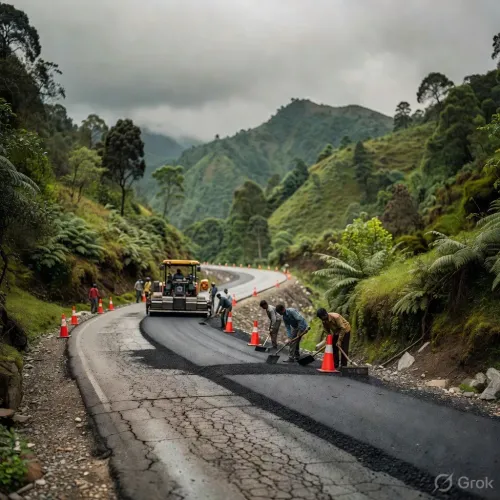
He followed the informal meeting with an on-site inspection of the Gaddhamukt Sadak Abhiyan , the state's pothole-free roads campaign.
The initiative targets Uttarakhand's persistently damaged road network, which suffers annual deterioration due to hilly terrain and heavy monsoon rainfall.
The CM-level inspection creates direct accountability for local public-works officials responsible for road repairs.
The chai-pe-charcha format reflects a broader governance communication trend among Indian chief ministers seeking unmediated public feedback.
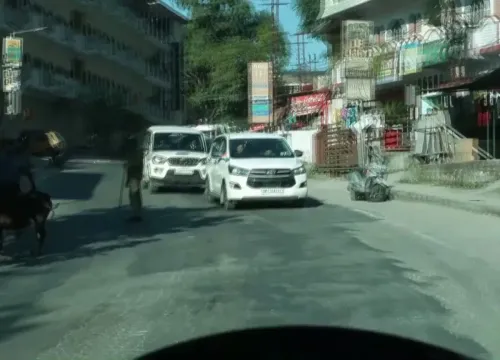
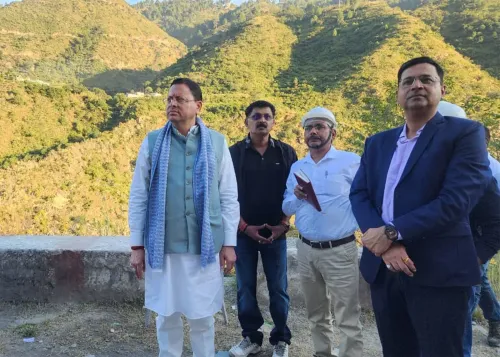
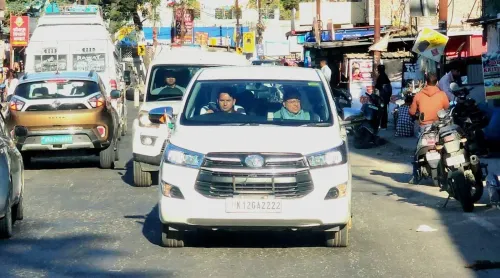
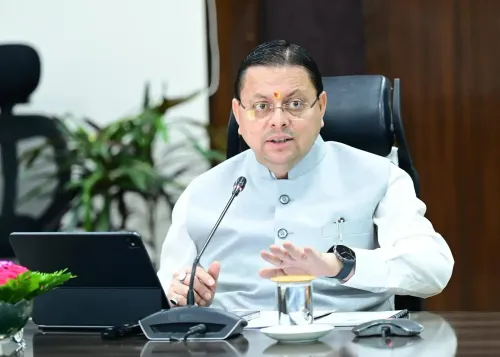
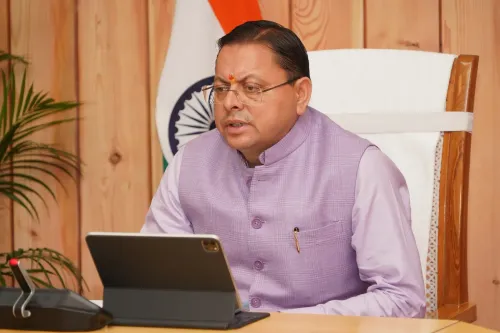
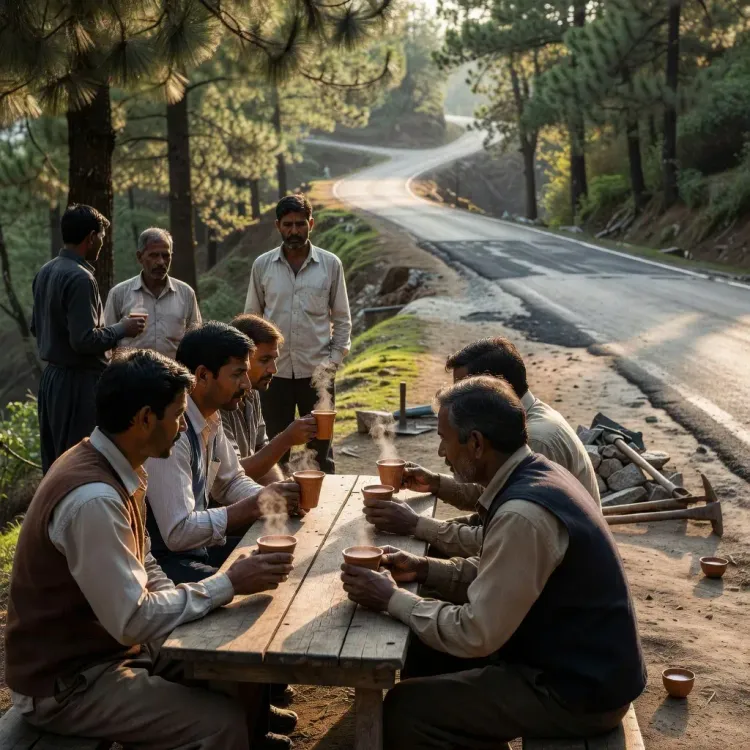
A cup of tea, a crowd of locals, and a stretch of road under repair — Chief Minister Pushkar Singh Dhami stepped out of the secretariat and onto the street on Thursday, October 29, 2026, stopping at a roadside tea stall for an unscripted conversation with residents before turning his attention to the state's ongoing Gaddhamukt Sadak Abhiyan (Pothole-Free Roads Campaign) inspection.
Tea stall, real talk — Dhami's direct-connect approach
The Chief Minister's Office of Uttarakhand shared the visit on X, posting: 'मुख्यमंत्री श्री पुष्कर सिंह धामी ने चाय की दुकान पर किया लोगों से संवाद, गड्ढामुक्त सड़क अभियान का भी निरीक्षण।' — 'Chief Minister Pushkar Singh Dhami interacted with people at a tea shop and also inspected the Pothole-Free Roads Campaign.' The format is deliberate: an informal chai break that lowers the barrier between a sitting CM and ordinary constituents, a style Dhami has used repeatedly since taking office in March 2021.
For Uttarakhand's residents, these conversations are rarely idle. The state's hilly terrain and punishing monsoon seasons leave roads battered year after year, making pothole repair one of the most visible — and politically resonant — tests of local governance.
Gaddhamukt Sadak Abhiyan — the campaign on the ground
The Gaddhamukt Sadak Abhiyan is a state-level drive to systematically identify and fill potholes across Uttarakhand's road network. Road maintenance in a Himalayan state is a perennial challenge: altitude, rain, landslides, and heavy traffic from pilgrim routes and border logistics all accelerate surface damage far faster than in plains states.
A CM-level inspection signals that the campaign is being watched at the top — not just delegated downward. It also creates visible accountability: when a chief minister stands on a stretch of road and asks questions, local officials have little room to report progress they have not delivered.
Governance by walkabout — a pattern with stakes
Indian chief ministers increasingly combine informal public interactions with on-site civic inspections as a communication strategy. The chai-pe-charcha format, popularised at the national level, works precisely because it is unmediated — no dais, no microphone, no prepared remarks. What residents say over tea becomes, at least in principle, an input into administrative decisions.
In Uttarakhand, where a significant portion of the population lives in remote villages connected by narrow mountain roads, the condition of those roads is not an abstract infrastructure metric. It determines whether schoolchildren reach class on time, whether farmers get produce to market, and whether emergency vehicles can move. That makes the Gaddhamukt Sadak Abhiyan less a routine maintenance drive and more a basic-services guarantee — one that CM Dhami is now personally seen to be monitoring.
Whether the inspections translate into verifiable repair timelines will be the real test of the campaign's momentum.
Point of View
By framing routine pothole-filling as a named campaign, transforms a maintenance obligation into a political deliverable. In a state where road access defines daily quality of life for mountain communities, being seen to personally monitor progress signals executive seriousness. The strategic risk is that highly publicised inspections raise public expectations sharply; if repair timelines slip, the visibility that created goodwill can just as quickly generate accountability pressure.
NationPress
29 Oct 2026
Frequently Asked Questions
What is the Gaddhamukt Sadak Abhiyan in Uttarakhand?
The Gaddhamukt Sadak Abhiyan is a state government campaign in Uttarakhand focused on systematically identifying and repairing potholes across the state's road network, which suffers significant seasonal damage due to the Himalayan terrain and heavy monsoon rains.
Why did CM Dhami visit a tea shop instead of a formal venue?
The informal chai-stall visit is a governance communication format — sometimes called chai-pe-charcha — that allows a chief minister to speak directly with ordinary residents without a formal setup, enabling unfiltered public feedback on local issues.
What challenges does Uttarakhand face in road maintenance?
Uttarakhand's hilly terrain, altitude, landslides, and heavy monsoon seasons cause accelerated road surface damage, making pothole repair a recurring and high-priority administrative challenge compared with plains states.
When did Pushkar Singh Dhami become Chief Minister of Uttarakhand?
Pushkar Singh Dhami became Chief Minister of Uttarakhand in March 2021. He is a BJP leader representing the Haridwar constituency.
What was the outcome of CM Dhami's road inspection on October 29, 2026?
Specific repair targets or outcomes from the October 29 inspection have not been confirmed. The Chief Minister's Office confirmed the visit and inspection took place; measurable results of the campaign are yet to be publicly reported.