PM Modi Lands in Nice, Begins France Visit With Bilateral Agenda
Synopsis
Prime Minister Narendra Modi arrived in Nice on 13 June 2026 to begin a multi-city France visit spanning Évian and Paris. The tour focuses on bilateral and multilateral meetings to strengthen India's ties with key development partners, continuing the India-France Strategic Partnership forged in 1998.
Key Takeaways
Prime Minister Narendra Modi landed in Nice, France on 13 June 2026 to begin an official visit.
The itinerary covers three cities: Nice , Évian and Paris .
The visit will include both bilateral and multilateral meetings aimed at strengthening India's partnerships.
India and France have maintained a Strategic Partnership since 1998 , covering defence, nuclear energy and space.
Previous Modi-France engagements produced the Rafale aircraft deal and Indo-Pacific coordination frameworks.
Outcomes on defence, technology or multilateral declarations are expected to emerge as the visit progresses.
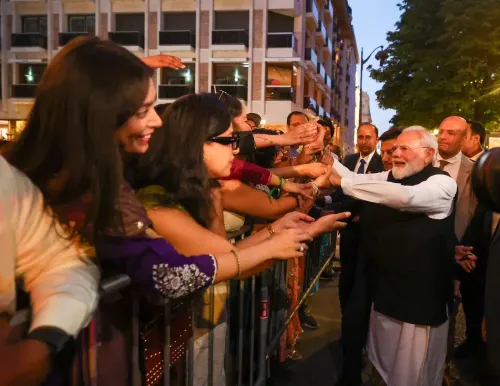
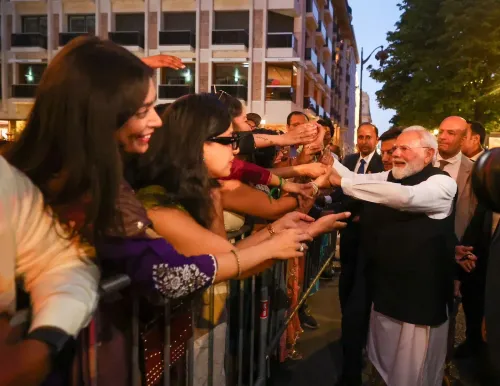
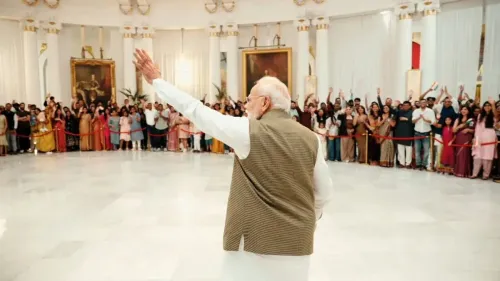
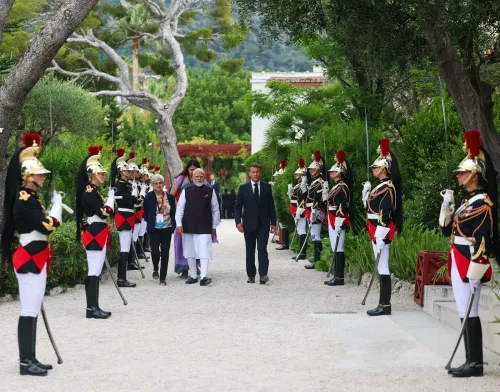
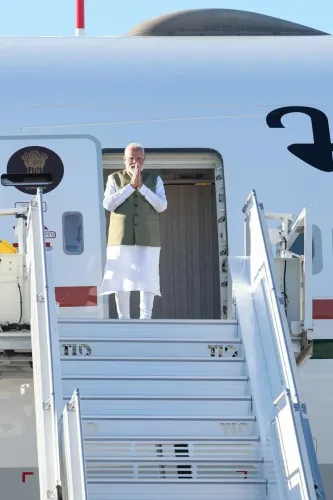
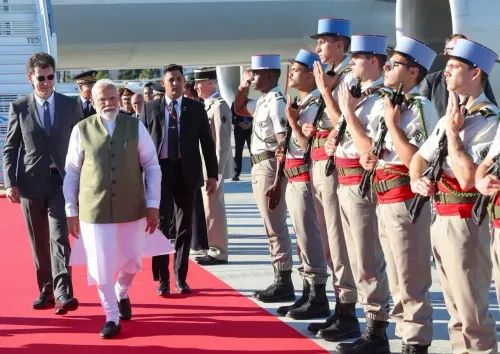
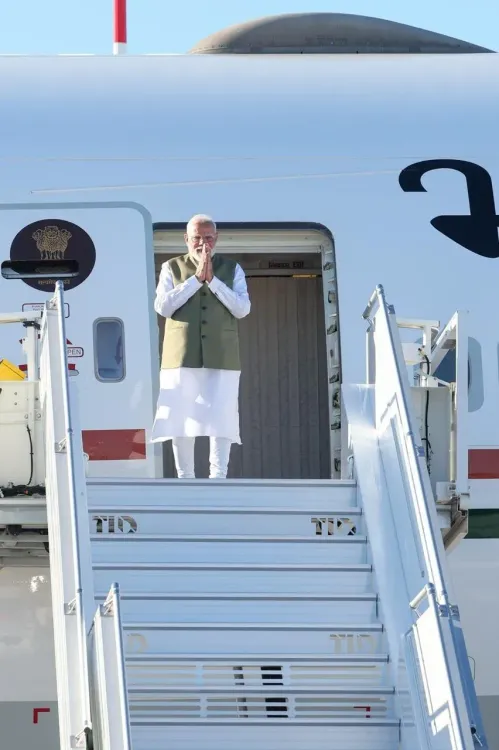
Prime Minister Narendra Modi arrived in Nice, France, on Saturday, 13 June 2026, kicking off a multi-city visit that will take him to Évian and Paris for a series of bilateral and multilateral engagements aimed at deepening India's ties with key development partners.
Writing in French on arrival, the Prime Minister confirmed: 'Je viens d'atterrir à Nice' ('I have just landed in Nice'), adding that the tour would be marked by meetings designed to 'strengthen India's bonds of friendship with its key development partners.'
Context
India and France share one of the subcontinent's oldest and most substantive partnerships with a Western nation. The two countries formalised a Strategic Partnership in 1998, a framework that has since been expanded to cover defence procurement, civil nuclear energy, space cooperation and climate action. Prime Minister Modi's decision to post in French signals a deliberate diplomatic courtesy to the host nation.
The visit spans three French cities — Nice, Évian and Paris — suggesting a layered programme that may combine intimate bilateral consultations with larger multilateral settings.
Policy Backdrop
The India-France Strategic Partnership has produced landmark outcomes over successive summits. These include agreements on Rafale combat aircraft, joint space launches through ISRO-CNES collaboration, and coordinated positions on Indo-Pacific security. France is among the few countries with which India cooperates on civil nuclear technology under the framework established after the 2008 nuclear deal era.
Prime Minister Modi has previously attended a COP21 climate summit in France and was the chief guest at the Bastille Day parade in Paris in 2015. A bilateral summit with President Emmanuel Macron in 2018 further deepened coordination on Indo-Pacific strategy and economic linkages. The June 2026 visit continues this pattern of high-frequency, high-level engagement.
Stakeholders and Impact
The visit is of direct interest to India's defence industry, which has long tracked Franco-Indian procurement and co-production agreements. Diplomatic missions on both sides, as well as businesses engaged in aerospace, clean energy and digital technology, will be watching for any new frameworks announced during the tour.
For France, India represents one of the largest and fastest-growing markets in Asia, making the visit strategically significant beyond symbolism. India's multi-alignment foreign policy — maintaining strong ties with Western partners while engaging Russia, the Gulf and the Global South — places France in a privileged position as a reliable European anchor.
What's Next
Attention will now shift to the programmes in Évian and Paris, where the specific outcomes — whether new defence agreements, technology partnerships or multilateral declarations — are expected to become clearer. Any trilateral or multilateral meetings involving other European or African partners would mark a significant expansion of the visit's diplomatic footprint.
The engagements in Paris, as the diplomatic capital, are likely to carry the highest-profile bilateral meetings, potentially including a sit-down with President Macron, though the exact agenda remains to be officially confirmed.
Point of View
Évian and Paris — signals a visit structured to combine intimate bilateral consultations with potentially larger multilateral settings, reflecting India's multi-alignment strategy at work. Coming against the backdrop of deepening India-France defence and technology ties, the visit fits a consistent pattern of Modi-era diplomacy that uses high-frequency leader-level contact to lock in long-term strategic gains. The outcomes here will be a bellwether for how India manages its European partnerships as global alignments continue to shift.
NationPress
13 Sept 2026
Frequently Asked Questions
Why is PM Modi visiting France in June 2026?
Prime Minister Modi is visiting France to hold bilateral and multilateral meetings aimed at strengthening India's ties with key development partners, continuing the India-France Strategic Partnership established in 1998.
Which cities will PM Modi visit in France?
PM Modi's France itinerary includes three cities: Nice, where he landed on 13 June 2026, followed by Évian and Paris.
What is the India-France Strategic Partnership?
The India-France Strategic Partnership was established in 1998 and has since expanded to cover defence procurement, civil nuclear energy, space cooperation and climate action, making France one of India's most comprehensive Western allies.
Has PM Modi visited France before?
Yes. PM Modi attended the COP21 climate summit in France and was chief guest at the Bastille Day parade in Paris in 2015. A bilateral summit with President Macron in 2018 further deepened ties.
What outcomes are expected from PM Modi's France visit?
Observers are watching for announcements on defence agreements, technology partnerships or multilateral declarations, particularly from the Paris leg of the visit, which is expected to include the highest-profile meetings.