PM Modi Lands in Nice, France Visit to Cover Evian and Paris
Synopsis
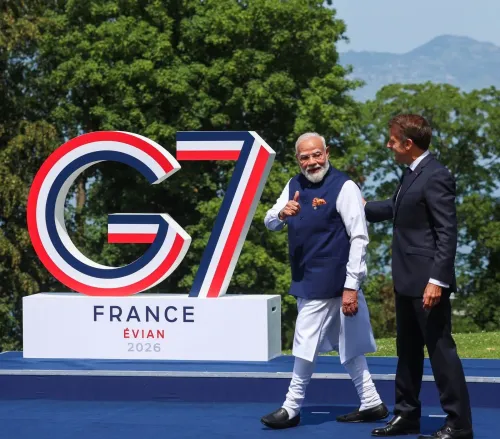
Prime Minister Narendra Modi arrived in Nice on 13 June 2026 for a multi-city France visit covering Evian and Paris. The trip includes bilateral talks with President Emmanuel Macron and multilateral engagements aimed at strengthening India's ties with key developmental partners.
Key Takeaways
PM Modi landed in Nice, France , on 13 June 2026 , beginning a state visit.
The visit spans three cities: Nice , Evian , and Paris .
The agenda includes both bilateral meetings with President Emmanuel Macron and multilateral engagements.
India and France have maintained a Strategic Partnership since 1998 , with deep cooperation in defence, nuclear energy, and space.
France is a key European partner in India's multi-alignment foreign policy, having supplied Rafale jets and Scorpene submarines.
Outcomes in defence and technology agreements will be closely watched by both countries' strategic and business communities.
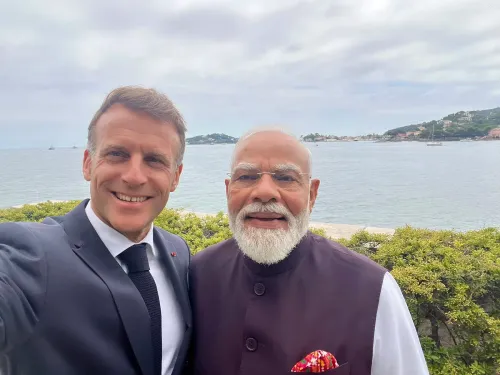
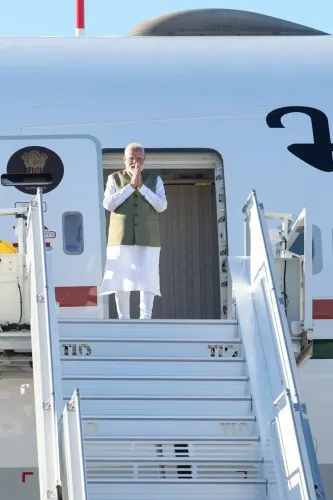
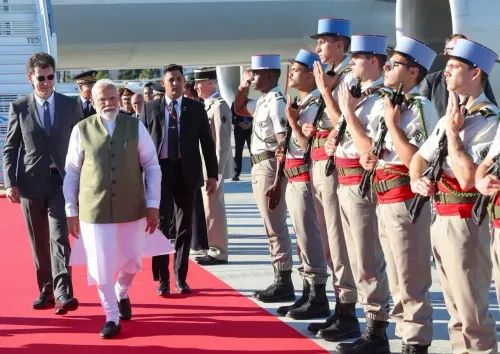
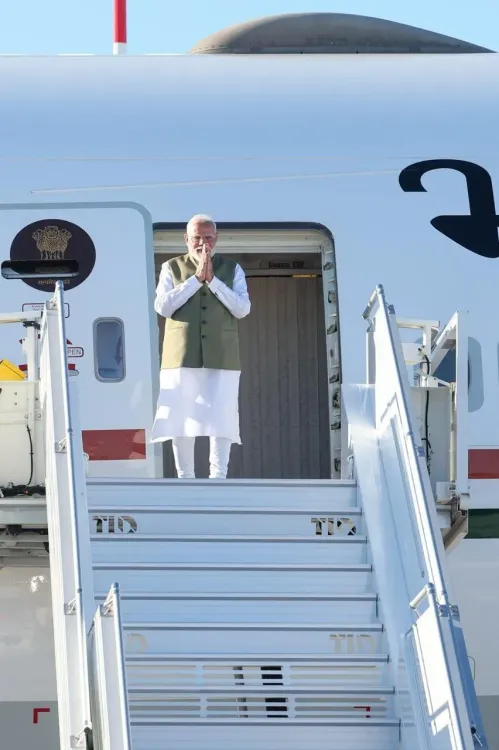
Prime Minister Narendra Modi arrived in Nice, France, on Saturday, 13 June 2026, kicking off a multi-city visit that will also take him to Evian and Paris, with bilateral and multilateral engagements aimed at deepening India's ties with key developmental partners.
Announcing his arrival on X, Modi wrote: 'Landed in Nice. In addition to Nice, this France visit includes programmes in Evian and Paris. There will be bilateral and multilateral engagements, which will be aimed at improving India's friendships with key developmental partners. I look forward to meeting President Macron.'
Context
The visit marks another chapter in one of India's most consequential European partnerships. India and France established their Strategic Partnership in 1998, and the two countries have since maintained a rhythm of high-level exchanges. Modi was famously invited as chief guest at France's Bastille Day parade in 2015, the first Indian Prime Minister to receive that honour.
President Emmanuel Macron, who has led France since 2017, has consistently prioritised defence and technology cooperation with India as a cornerstone of France's Indo-Pacific strategy. The current visit reflects the durability of that alignment.
Policy Backdrop
India's engagement with France sits within a broader multi-alignment doctrine that seeks to diversify strategic and defence partnerships beyond traditional suppliers. France has delivered on that front, with cooperation spanning fighter aircraft, submarines, nuclear energy, and space launch services.
On climate and multilateral governance, France has also served as a key interlocutor for India within the European Union and global forums. The stop in Evian — a venue historically associated with international dialogue — and meetings in Paris suggest the agenda will blend bilateral deal-making with broader multilateral coordination.
Stakeholders and Impact
India's defence forces and technology sector stand to benefit most directly from any agreements that emerge. Past visits have produced binding commitments on platforms such as the Rafale fighter jet and Scorpene submarines, setting a precedent for substantive outcomes.
Businesses in both countries with exposure to aerospace, nuclear energy, and digital infrastructure will be watching closely. For India, the visit also signals continued European engagement at a time when global supply chains and defence procurement are being actively reconfigured.
What's Next
The key markers to watch are any new defence or technology agreements announced during the Paris leg and whether the visit produces a joint statement that advances the India-France annual summit framework. Outcomes here could shape the sequencing of broader India-EU engagement in the months ahead.
As Modi heads into meetings with President Macron, the diplomatic community will be assessing whether this visit elevates the partnership to a new institutional tier or consolidates existing commitments ahead of a more formal summit later in the year.
Point of View
Evian, and Paris — signals that this is more than a courtesy call; the spread of venues points to a layered agenda mixing bilateral deliverables with multilateral positioning. France has been India's most reliable European defence partner for over two decades, and each high-level visit has historically produced binding commitments rather than just communiqués. The explicit mention of 'key developmental partners' in Modi's post broadens the frame beyond defence, hinting at climate finance, technology transfer, or multilateral institution-building as live agenda items. If concrete agreements emerge, they will reinforce India's strategy of locking in European partnerships as global power competition intensifies.
NationPress
14 Sept 2026
Frequently Asked Questions
Why is PM Modi visiting France in June 2026?
PM Modi is visiting France to hold bilateral talks with President Emmanuel Macron and participate in multilateral engagements aimed at strengthening India's ties with key developmental partners. The visit covers Nice, Evian, and Paris.
What is the India-France Strategic Partnership?
The India-France Strategic Partnership was established in 1998 and covers deep cooperation in defence, nuclear energy, space, and climate. It is one of India's oldest and most substantive European strategic relationships.
Which cities will PM Modi visit in France?
PM Modi will visit three cities during his France trip: Nice , where he landed on 13 June 2026 , followed by Evian and Paris .
What defence deals has India signed with France in the past?
India and France have signed major defence agreements including the procurement of Rafale fighter jets and Scorpene -class submarines. These deals make France one of India's most significant defence suppliers.
When will PM Modi meet President Macron?
PM Modi expressed that he looks forward to meeting President Emmanuel Macron during this France visit. The specific date of the meeting was not detailed in the announcement, but it is expected during the Paris leg of the trip.