Did PM Modi Condemn the 'Hindu Rate of Growth' as a Cultural Blame for India's Slow Progress?
Synopsis
In a bold address at the Hindustan Times Leadership Summit, PM Modi critiques the colonial mindset that has hampered India's growth. He champions trust-based governance and urges the nation to reject outdated labels, promoting a narrative of self-confidence and cultural pride. His call for change aims to empower citizens and redefine India's economic identity.
Key Takeaways
Trust-based governance is essential for empowering citizens.
Self-attestation replaces burdensome verification processes.
The term 'Hindu rate of growth' is criticized for misrepresenting India's potential.
Cultural identity should be celebrated, not stigmatized.
A 'slave mentality' must be shed to foster national progress.
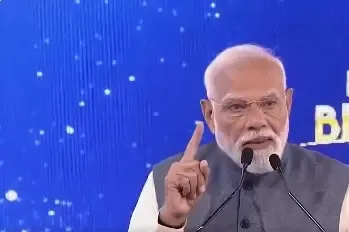
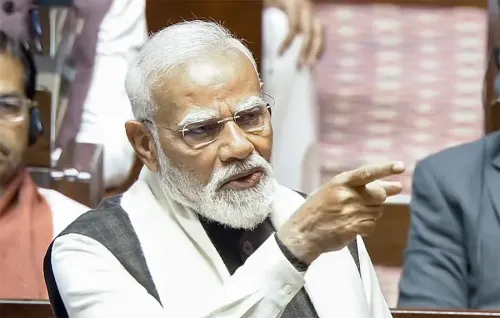
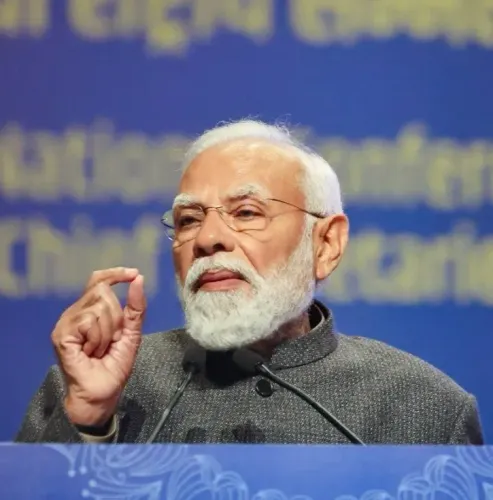
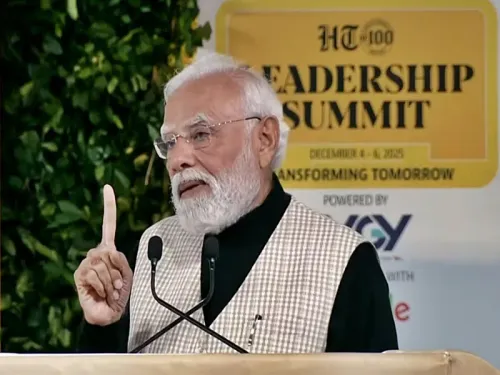
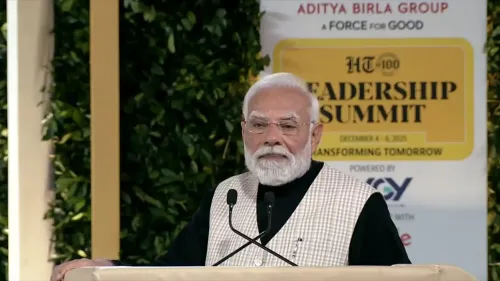
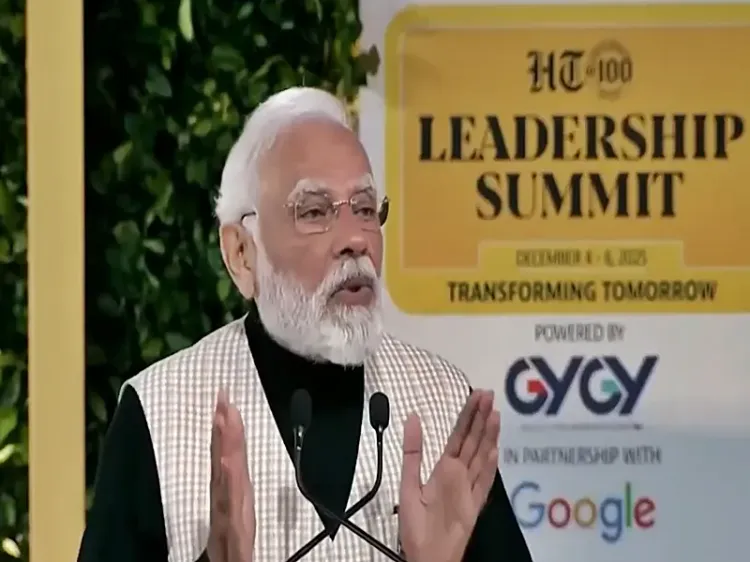
New Delhi, Dec 6 (NationPress) Prime Minister Narendra Modi delivered a powerful critique during the 23rd Hindustan Times Leadership Summit on Saturday, targeting outdated governance models and the lingering colonial mindset that he believes has hindered India's progress for years.
He emphasized that previous administrations lacked trust in their citizens, evident in the burdensome requirement for official verifications on basic documents.
"Our administration has transformed this approach. A citizen’s self-attested document suffices to validate its authenticity," PM Modi announced, showcasing this reform as a part of a broader transition towards a trust-based governance model.
The Prime Minister also condemned the historical term "Hindu rate of growth," a label coined in the 1970s to characterize India’s lackluster economic growth of 2-3 percent per year.
PM Modi argued that this term unfairly categorized an entire society as unproductive and impoverished.
"The nation was branded with labels of unproductivity and poverty. There were attempts to assert that the slow progress of India stemmed from Hindu sabhyata and culture," he stated, pointing out that such narratives were rooted in a colonial mindset aimed at undermining India's civilizational identity.
He questioned whether communalism was absent during those times, suggesting that such labels reflect a more profound prejudice against Indian traditions.
PM Modi urged the populace to discard what he termed a "slave mentality" inherited from colonial rule, insisting that India should forge its own path, unshackled from outdated perceptions.
His remarks intertwined policy changes with cultural affirmation, emphasizing themes of administrative trust, economic assurance, and civilizational pride.
By pivoting from attestation to self-attestation, he illustrated how governance can empower citizens rather than encumber them. Rejecting the "Hindu rate of growth" label, he framed India's economic journey as one that must be viewed on its own terms, liberated from colonial constructs.
PM Modi's address encapsulated his broader vision for a self-assured India, where governance is streamlined, citizens are trusted, and cultural identity is embraced as a source of strength rather than a reason for stagnation.
Point of View
Our perspective aligns with the nation's aspirations. PM Modi's address champions a shift from colonial legacies to a self-reliant India, emphasizing trust and citizen empowerment. It reflects a crucial move towards fostering an environment where India's rich culture and traditions are celebrated rather than stigmatized. The call for change resonates with the need for a renewed national identity.
NationPress
15 Oct 2026
Frequently Asked Questions
What did PM Modi say about the 'Hindu rate of growth'?
PM Modi criticized the term 'Hindu rate of growth' as a misguided label that unfairly categorizes India as unproductive and poor, asserting that it stems from a colonial mindset.
How does PM Modi propose to change governance in India?
He advocates for a trust-based governance model where self-attested documents are sufficient, reflecting a shift towards empowering citizens.
What cultural aspects did PM Modi emphasize in his address?
He highlighted the importance of rejecting colonial narratives and embracing India's rich cultural identity as a source of strength.