PM Modi hails Kannada release of Valmiki Ramayana at Mysore event
Synopsis
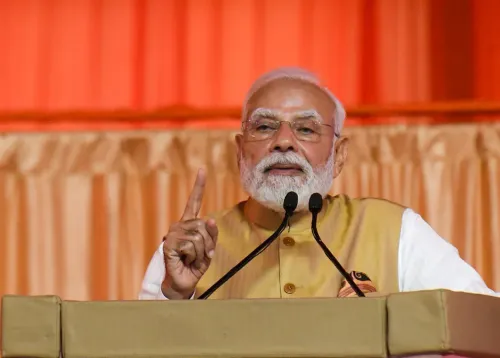
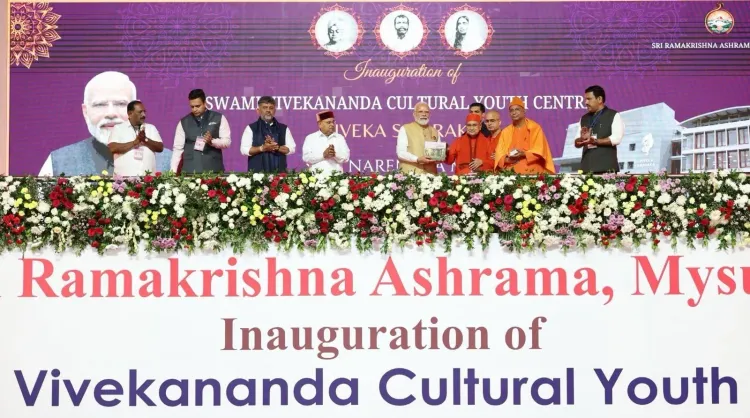
Prime Minister Narendra Modi on 1 August 2026 highlighted the release of Kannada translations of the Valmiki Ramayana and Vedantic saints' stories at a Mysore event, calling them a bridge between India's timeless spiritual heritage and the younger generation of Kannada readers.
Key Takeaways
Kannada translations of the Valmiki Ramayana and stories of Vedantic saints were released at a cultural programme in Mysore .
Prime Minister Narendra Modi posted about the event on 1 August 2026 , writing in Kannada.
Modi emphasised the books' role in making India's spiritual and literary tradition accessible to Kannada readers , especially the young generation .
Mysore has a centuries-old association with Kannada literature, classical arts, and the Ramayana tradition.
Regional-language translation of classical Indian texts has been a recurring central and state government initiative since the 1950s .
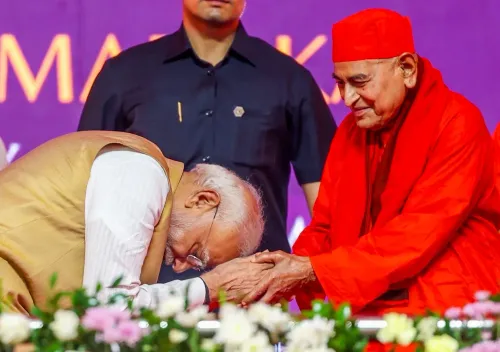
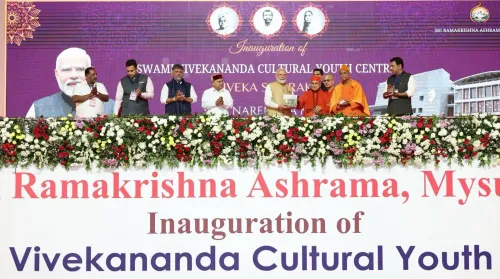
At a literary gathering in the historic city of Mysore, Kannada translations of the Valmiki Ramayana and stories of Vedantic saints were unveiled — a moment Prime Minister Narendra Modi described as bringing India's timeless spiritual and literary heritage closer to Kannada readers, especially the younger generation.
Posting in Kannada on Saturday, 1 August 2026, Modi wrote that the books released at the Mysore programme would make 'our timeless spiritual and literary tradition accessible to Kannada readers, and particularly to the young generation.' The gesture is characteristic of a Prime Minister who has consistently used regional-language publishing milestones to signal a civilisational continuity — one thread running from ancient Sanskrit to every scheduled language in the country.
Mysore's place in Kannada literary tradition
Mysore is not an incidental venue. The former capital of one of India's most celebrated princely states, it has been a cradle of Kannada literature, classical arts, and religious scholarship for centuries. Hosting a release of Valmiki Ramayana translations here carries deliberate cultural weight — the city's own Dasara festival has long woven together the Ramayana tradition and Kannada identity.
The sage Valmiki, credited with composing the original Sanskrit Ramayana, has inspired translation projects across India's scheduled languages since at least the 1950s, with successive central and state governments funding such efforts as part of broader classical-text preservation programmes.
Youth outreach through regional scripture
Modi's specific emphasis on the yuva peeḷige — the young generation — is not incidental. It echoes a recurring theme in official education and cultural policy: that familiarity with foundational texts must be renewed in each generation, and that regional-language editions are the most direct path to that renewal. The inclusion of Vedantic saints' stories alongside the Ramayana broadens the release beyond a single epic, touching the philosophical tradition that runs parallel to narrative scripture in Karnataka's intellectual history.
The Mysore event fits a visible pattern of Modi engaging with Karnataka on heritage themes — part of a wider effort to frame linguistic diversity and civilisational unity as complementary rather than competing ideas.
Whether similar translation releases follow in other southern states or across additional scheduled languages will be the real measure of the programme's reach.
Point of View
In a heritage city, aimed explicitly at youth. It fits a broader arc in which the BJP-led government frames classical-text preservation as a non-divisive cultural investment — one that sidesteps language politics by celebrating regional scripts as carriers of a shared civilisational story. Karnataka, a state the BJP has contested fiercely in recent election cycles, is a particularly pointed venue for this kind of soft cultural diplomacy. The youth emphasis also aligns with education-policy moves to integrate foundational texts into school and university curricula.
NationPress
2 Aug 2026
Frequently Asked Questions
What was released at the Mysore cultural event mentioned by PM Modi?
Kannada translations of the Valmiki Ramayana and stories of Vedantic saints were released at the event in Mysore, as highlighted by Prime Minister Narendra Modi on 1 August 2026.
Why did PM Modi post in Kannada about the Mysore book launch?
Modi posted in Kannada to directly address Kannada-speaking readers, emphasising that the newly released books bring India's spiritual and literary heritage closer to the younger generation in Karnataka.
Who is Valmiki and why is the Ramayana significant?
Valmiki is the sage traditionally credited with composing the original Sanskrit Ramayana, one of India's foundational epics. Kannada translations make this text accessible to regional readers who may not read Sanskrit.
Why was Mysore chosen for this cultural programme?
Mysore is a historic centre of Kannada literature, classical arts, and religious scholarship, and its association with the Ramayana tradition — most visibly through the annual Dasara festival — makes it a fitting venue for such a release.
Has the Indian government supported Ramayana translation projects before?
Yes. Successive central and state governments have funded publication of classical Indian texts, including Ramayana translations, in scheduled languages since the 1950s as part of broader heritage preservation efforts.