PM Modi on Mann Ki Baat: Citizens Lead Water Conservation
Synopsis
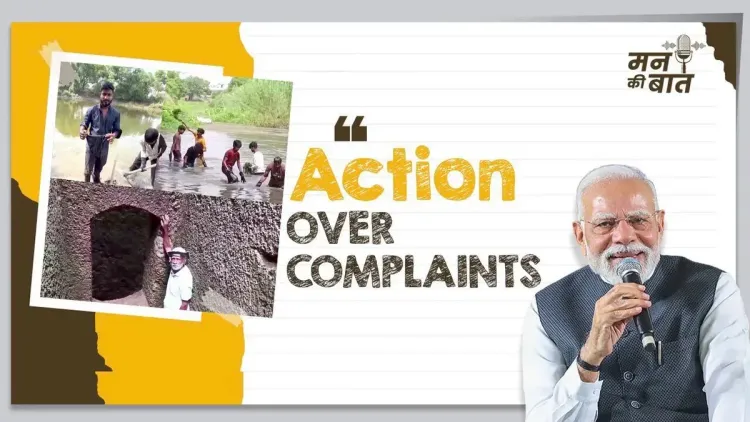
Prime Minister Narendra Modi used his Mann Ki Baat platform on 31 May 2026 to honour Akash Gupta from Uttar Pradesh and Balkrishna Ayyaji from Goa for their frontline work in water conservation, calling them important messengers of sustainability.
Key Takeaways
PM Modi highlighted two water conservation champions — Akash Gupta (Uttar Pradesh) and Balkrishna Ayyaji (Goa) — on Mann Ki Baat , 31 May 2026 .
The post was written in Konkani , signalling outreach to Goa's regional audience in their mother tongue.
Modi described both individuals as being 'at the forefront of water conservation' and delivering 'an important message of sustainability.' Mann Ki Baat has been used since 2014 to amplify citizen-led stories aligned with national schemes such as Jal Shakti Abhiyan and Jal Jeevan Mission .
The recognition covers two geographically distinct states, reinforcing the pan-India reach of the Centre's water conservation agenda.
The spotlight comes ahead of the monsoon season , when rainwater harvesting and storage efforts are most critical.
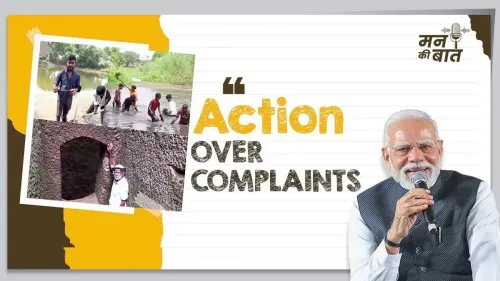
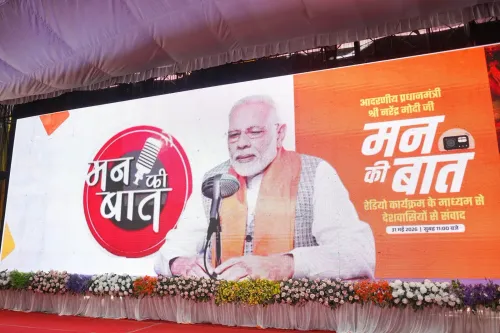
Prime Minister Narendra Modi, in his monthly radio programme Mann Ki Baat, on Sunday, 31 May 2026, highlighted two grassroots water conservation champions — Akash Gupta from Uttar Pradesh and Balkrishna Ayyaji from Goa — calling them frontrunners in water stewardship and messengers of sustainability.
Modi's post, written in Konkani (the official language of Goa), stated: 'Uttara Pradeshantale Akash Guptaji ani Goyantale Balkrishna Ayyaji sarke lok, udak samvardhanat agrabhagi asat, ani dekhun te shashvatatecho ek mahtvache sandesh ditatat' — translating to: 'People like Akash Gupta from Uttar Pradesh and Balkrishna Ayyaji from Goa are at the forefront of water conservation, and therefore they deliver an important message of sustainability.'
Context
Mann Ki Baat is a monthly radio address that Prime Minister Modi has hosted since 2014, using it as a platform to amplify citizen-led stories and connect grassroots action to national goals. The programme reaches millions of listeners across India and has consistently been used to recognise unsung contributors to social and environmental causes.
The choice of Konkani for this post is notable — it signals a deliberate effort to communicate directly with Goa's local audience in their mother tongue, underscoring the regional dimension of the conservation message.
Policy Backdrop
Water conservation has been a central pillar of the Modi government's environmental agenda. The Jal Shakti Abhiyan, launched in 2019, mobilised campaigns for rainwater harvesting and watershed management across states, with Uttar Pradesh among the key participating states. Complementary programmes such as the Atal Bhujal Yojana and the Jal Jeevan Mission have further embedded water security into rural development planning.
Modi has repeatedly used Mann Ki Baat to spotlight citizen-driven conservation models, reinforcing a narrative that sustainable water management is not solely a top-down government function but a community responsibility. Featuring individuals from two geographically and culturally distinct states — Uttar Pradesh in the north and Goa on the western coast — broadens the programme's pan-India resonance.
Stakeholders and Impact
Water conservation volunteers and rural communities in both Uttar Pradesh and Goa stand to benefit from the visibility that a Prime Ministerial mention brings. Recognition on a platform of Mann Ki Baat's scale can catalyse local replication of successful models, drawing the attention of district administrations, NGOs, and state governments.
For Goa, where seasonal water stress and groundwater depletion are recurring concerns, the spotlight on Balkrishna Ayyaji may encourage the state government to formalise or scale similar community-led initiatives. In Uttar Pradesh, the mention of Akash Gupta adds to a pattern of the Centre recognising state-level conservation champions to sustain momentum under national water schemes.
What's Next
The next episode of Mann Ki Baat will be watched for further state-level water conservation stories and any announcement of expanded support for grassroots initiatives. State budget allocations for water conservation works in Uttar Pradesh and Goa in the coming financial cycle will indicate whether national recognition translates into on-ground funding.
As India heads into the monsoon season, the timing of this post reinforces the urgency of pre-monsoon water harvesting and storage — areas where citizen volunteers like those named by the Prime Minister play a disproportionately large role.
Point of View
Signalling sensitivity to Goa's linguistic identity ahead of any political cycle. By pairing a northern state (Uttar Pradesh) with a coastal one (Goa), the Prime Minister frames water conservation as a unifying national challenge rather than a region-specific problem. The citizen-spotlight format consistently serves a dual purpose: it humanises large government schemes like Jal Shakti Abhiyan and creates replicable local heroes who can sustain programme momentum without additional state expenditure. Watch whether district administrations in UP and Goa translate this national visibility into formal recognition or funding for the named volunteers.
NationPress
14 Oct 2026
Frequently Asked Questions
What did PM Modi say on Mann Ki Baat on 31 May 2026?
PM Modi highlighted two water conservation volunteers — Akash Gupta from Uttar Pradesh and Balkrishna Ayyaji from Goa — calling them frontrunners in water conservation and important messengers of sustainability.
What is Mann Ki Baat?
Mann Ki Baat is a monthly radio programme hosted by Prime Minister Narendra Modi since October 2014, used to share citizen stories and highlight grassroots contributions to national goals.
What is the Jal Shakti Abhiyan?
The Jal Shakti Abhiyan is a government campaign launched in 2019 to promote water conservation, rainwater harvesting, and watershed management, with Uttar Pradesh among the key participating states.
Why did PM Modi post in Konkani?
Konkani is the official language of Goa, and Modi's use of the language appears to be a deliberate effort to communicate directly with Goa's regional audience while recognising a local conservation champion.
How does Mann Ki Baat support water conservation schemes?
Modi has regularly used Mann Ki Baat to spotlight citizen-led water conservation models that align with national programmes such as Atal Bhujal Yojana and Jal Jeevan Mission, reinforcing community-driven approaches alongside top-down policy.