PM Modi highlights citizen water heroes on Mann Ki Baat
Synopsis
Prime Minister Narendra Modi used his 31 May 2026 Mann Ki Baat address to highlight Akash Gupta from Uttar Pradesh and Balakrishna Aiya from Goa as frontline water conservationists, linking citizen action to India's broader sustainability agenda and flagship water missions.
Key Takeaways
PM Modi named Akash Gupta (Uttar Pradesh) and Balakrishna Aiya (Goa) as water conservation champions on Mann Ki Baat, 31 May 2026 .
Mann Ki Baat has been a monthly platform since 2014 for spotlighting citizen-led initiatives alongside central schemes.
The Jal Jeevan Mission , Jal Shakti Abhiyan , and Atal Bhujal Yojana — all launched in 2019 — form the policy backbone behind the conservation push.
Uttar Pradesh is among India's most groundwater-stressed states; Goa faces seasonal water scarcity despite high rainfall.
The Atal Bhujal Yojana covers community-based groundwater management in seven states , including Uttar Pradesh .
Citizen recognition through Mann Ki Baat serves as a behavioural change signal reinforcing infrastructure-led water programmes.
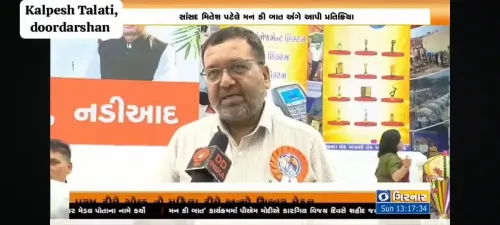
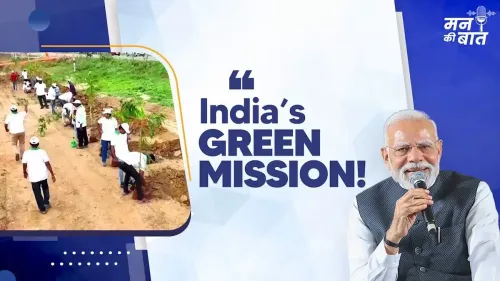
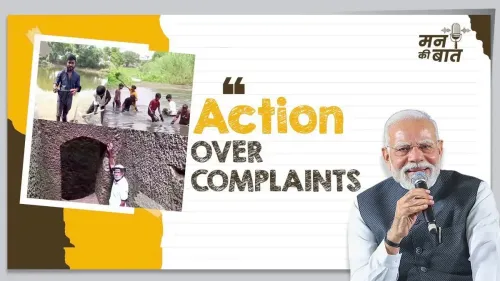
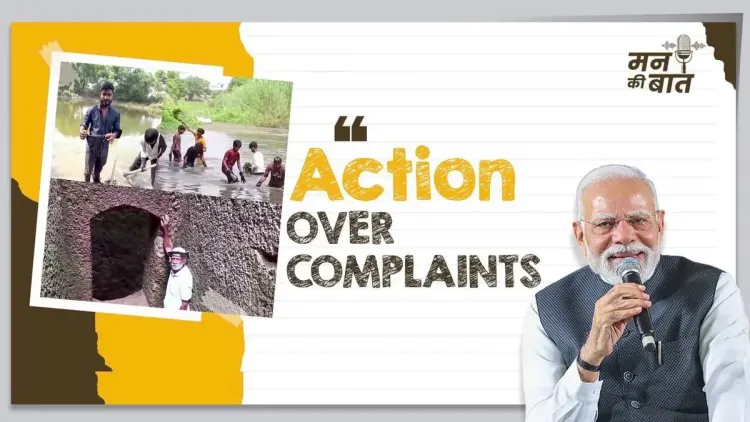
Prime Minister Narendra Modi, in his Mann Ki Baat address on Sunday, 31 May 2026, spotlighted two grassroots water conservationists — Akash Gupta from Uttar Pradesh and Balakrishna Aiya from Goa — praising their efforts as a vital message of sustainability for the nation.
Context
In his post shared on X, Modi wrote: 'People like Akash Gupta Ji from Uttar Pradesh and Balakrishna Aiya Ji from Goa are at the forefront of water conservation, thus giving a vital message of sustainability.' The mention came as part of his monthly Mann Ki Baat radio programme, which has since its launch in 2014 served as a platform to amplify citizen-led initiatives alongside government schemes.
Both individuals were cited as exemplars of community-driven conservation — a recurring theme in Modi's public messaging on environmental stewardship. Uttar Pradesh, India's most populous state, faces acute groundwater stress, while Goa, despite high seasonal rainfall, has been grappling with water scarcity and has recently piloted conservation initiatives at the local level.
Policy Backdrop
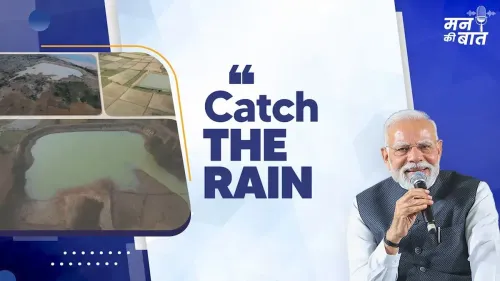
The shout-out fits squarely within a broader policy architecture the Modi government has built since 2019. The Jal Jeevan Mission aims to provide functional household tap connections to every rural home, with a community-led water conservation component built into its design. The Jal Shakti Abhiyan, also launched in 2019, promoted rainwater harvesting and groundwater recharge across water-stressed districts nationwide.
Complementing these is the Atal Bhujal Yojana, a centrally sponsored scheme introduced in 2019 to support community-based groundwater management across seven states, including Uttar Pradesh. Together, these programmes represent a deliberate pairing of large-scale infrastructure investment with behavioural change messaging — precisely the kind of messaging Modi delivers through Mann Ki Baat.
Stakeholders and Impact
The primary beneficiaries of sustained water conservation efforts are rural households, particularly in regions where groundwater depletion threatens drinking water security and agricultural livelihoods. Local water volunteers and community groups occupy a central role in all three flagship schemes, making citizen recognition a policy signal as much as a personal tribute.
By naming individuals from two geographically and demographically distinct states — the vast, water-stressed plains of Uttar Pradesh and the coastal terrain of Goa — the Prime Minister's message underlines that water conservation is a pan-India imperative, not confined to any single region or crisis zone.
What's Next
Attention will now turn to state-level progress reports on Jal Jeevan Mission saturation targets, particularly in Uttar Pradesh, where coverage gaps have been a subject of administrative focus. Future editions of Mann Ki Baat are likely to continue featuring water conservation stories as the government approaches the mission's coverage milestones. The consistent use of the programme to humanise policy through citizen stories suggests that grassroots water champions will remain a fixture in the government's public communication strategy.
Point of View
And it keeps water conservation salient in public discourse ahead of potential mission milestones. The geographic pairing of a high-stress northern state with a coastal western one signals that the government is framing water security as a universal challenge rather than a regional one. Analysts watching the Jal Jeevan Mission's saturation targets will note that sustained citizen-level messaging often precedes administrative pushes on lagging coverage districts.
NationPress
16 Oct 2026
Frequently Asked Questions
What is Mann Ki Baat and when did it start?
Mann Ki Baat is a monthly radio programme hosted by Prime Minister Narendra Modi since October 2014, used to discuss citizen initiatives, public welfare topics, and government schemes directly with the public.
Who are Akash Gupta and Balakrishna Aiya mentioned by PM Modi?
Akash Gupta is a water conservationist from Uttar Pradesh and Balakrishna Aiya is from Goa; PM Modi highlighted them on 31 May 2026 as frontline examples of grassroots sustainability efforts, though their specific activities are not detailed in publicly available records.
What is the Jal Jeevan Mission?
The Jal Jeevan Mission, launched in 2019, is a central government programme aimed at providing functional household tap water connections to every rural home in India, with a community-led conservation component.
Why does PM Modi regularly mention water conservation on Mann Ki Baat?
The government has consistently linked behavioural change messaging through Mann Ki Baat with infrastructure schemes like the Jal Jeevan Mission and Jal Shakti Abhiyan, using citizen stories to reinforce participation in water conservation at the community level.
Which states face the biggest water stress problems in India?
Uttar Pradesh is among the most groundwater-stressed states due to its large population and agricultural demand; Goa, despite high rainfall, faces seasonal scarcity, making both states relevant examples in the national water conservation conversation.