PM Modi inaugurates Viveka Smaraka at Mysuru's Ramakrishna Ashrama
Synopsis
Prime Minister Narendra Modi inaugurated the Viveka Smaraka — a memorial dedicated to Swami Vivekananda — at Sri Ramakrishna Ashrama in Mysuru on 1 August 2026, reinforcing a long-standing political tradition of engaging with India's 19th-century spiritual reform legacy.
Key Takeaways
Prime Minister Narendra Modi inaugurated the Viveka Smaraka at Sri Ramakrishna Ashrama, Mysuru on 1 August 2026 .
The memorial is dedicated to Swami Vivekananda , the 19th-century spiritual leader and founder of the Ramakrishna Mission .
The Ramakrishna Mission was founded in 1897 to spread the Vedanta teachings of Sri Ramakrishna and Swami Vivekananda.
Mysuru has historic ties to spiritual institutions and is home to the Karnataka branch of the Mission.
Indian prime ministers have consistently engaged with Ramakrishna Mission centres as part of acknowledging the role of 19th-century reformers in shaping modern Indian thought.
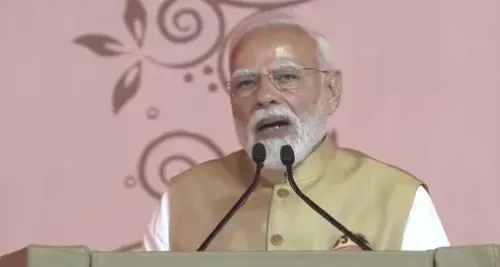
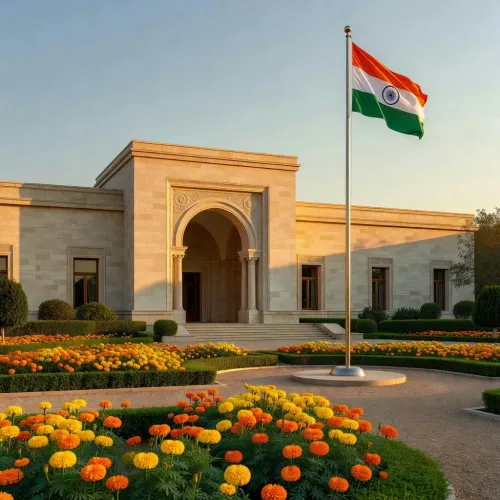
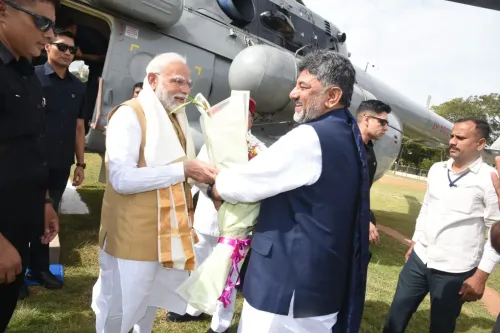
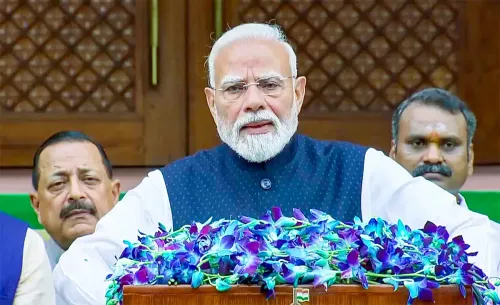
A memorial to one of India's most transformative spiritual voices took shape in stone on Saturday, 1 August 2026, as Prime Minister Narendra Modi inaugurated the Viveka Smaraka at Sri Ramakrishna Ashrama in Mysuru — a structure dedicated to the enduring legacy of Swami Vivekananda.
A memorial rooted in 19th-century awakening
The Viveka Smaraka — 'smaraka' meaning memorial — stands within the Mysuru branch of the Ramakrishna Mission, the organisation founded in 1897 by Swami Vivekananda to carry forward the Vedanta teachings of Sri Ramakrishna Paramahamsa. Vivekananda's philosophy of self-reliance, national awakening, and service as worship has remained a touchstone for Indian public life for well over a century. A dedicated memorial at an active ashrama gives that philosophy a permanent civic anchor in Karnataka.
Modi, Ramakrishna Mission, and a consistent cultural engagement
Indian prime ministers have long marked their connection to 19th-century reform movements through visits and inaugurations at Ramakrishna Mission centres across the country. For Prime Minister Modi, such engagements have been a recurring thread — part of a broader approach that links political leadership with India's philosophical and heritage traditions. The Mysuru inauguration fits squarely within that pattern, lending national visibility to an institution that blends spiritual education with social service.
The ashrama in Mysuru, a city with deep ties to Karnataka's cultural and spiritual landscape, now hosts a structure that devotees, students, and visitors can engage with as a living tribute to Vivekananda's ideas — not merely a commemorative plaque but a dedicated smaraka within an active centre of learning and service.
As anniversaries tied to Vivekananda continue to draw national attention, the Viveka Smaraka at Mysuru sets a marker — one more site where a 19th-century monk's call to awaken the nation finds 21st-century form.
Point of View
With their pan-Indian reach and non-partisan credibility, offer a particularly useful civic platform. The choice of Mysuru, a culturally significant city in Karnataka, also carries regional resonance at a time when the BJP is attentive to its footprint in the south. Watch whether this inauguration is followed by state-level cultural projects or a broader calendar of Vivekananda-linked commemorations.
NationPress
1 Aug 2026
Frequently Asked Questions
What is the Viveka Smaraka inaugurated by PM Modi in Mysuru?
The Viveka Smaraka is a memorial dedicated to Swami Vivekananda, inaugurated by Prime Minister Narendra Modi at Sri Ramakrishna Ashrama in Mysuru on 1 August 2026. 'Smaraka' means memorial in Sanskrit.
Where is Sri Ramakrishna Ashrama in Mysuru located?
Sri Ramakrishna Ashrama is the Mysuru branch of the Ramakrishna Mission, situated in Mysuru, Karnataka. The Mission was founded in 1897 to spread the Vedanta teachings of Sri Ramakrishna and Swami Vivekananda.
Why did PM Modi attend the Ramakrishna Ashrama event in Mysuru?
Prime Minister Modi inaugurated the Viveka Smaraka, a new memorial to Swami Vivekananda. Indian prime ministers have a long tradition of engaging with Ramakrishna Mission centres to acknowledge the role of 19th-century spiritual reformers in shaping modern India.
Who was Swami Vivekananda and why is he significant?
Swami Vivekananda was a 19th-century Indian spiritual leader and founder of the Ramakrishna Mission. His teachings on self-reliance, national awakening, and service as worship have deeply influenced Indian public and political life for over a century.
What is the Ramakrishna Mission?
The Ramakrishna Mission is a spiritual and social service organisation founded in 1897 by Swami Vivekananda to propagate the Vedanta philosophy of Sri Ramakrishna Paramahamsa. It runs ashrams, schools, hospitals, and relief centres across India and abroad.