PM Modi Plants Coco de Mer at Seychelles Botanical Garden
Synopsis
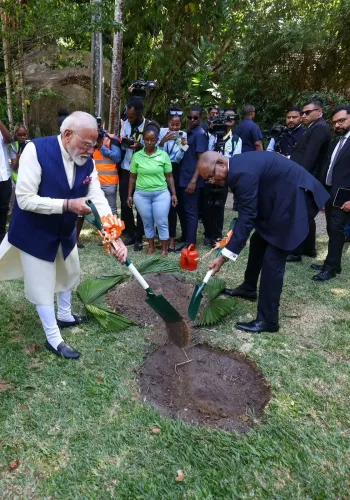
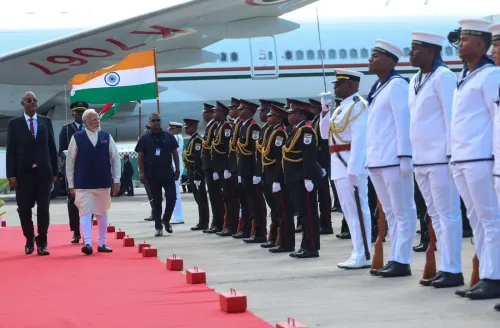
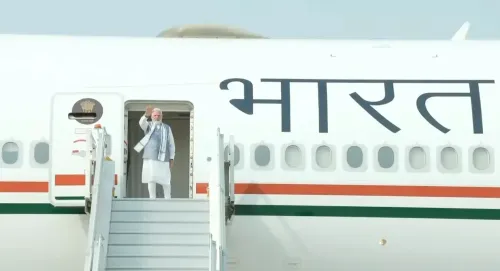
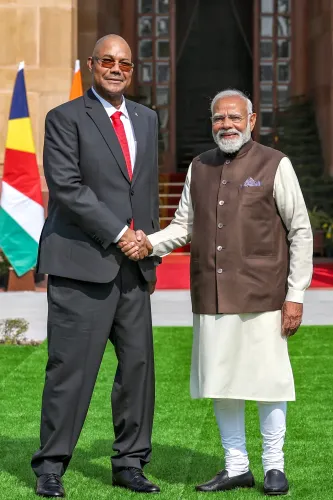
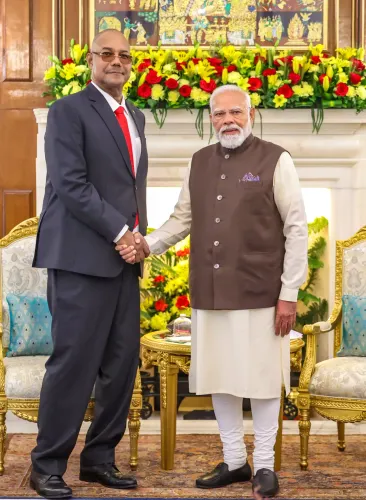
Prime Minister Narendra Modi joined Seychelles President Dr Patrick Herminie on 27 June 2026 to plant the iconic Coco de Mer palm at the National Botanical Garden of Seychelles, symbolising a shared commitment to environmental sustainability and deepening India-Seychelles ties.
Key Takeaways
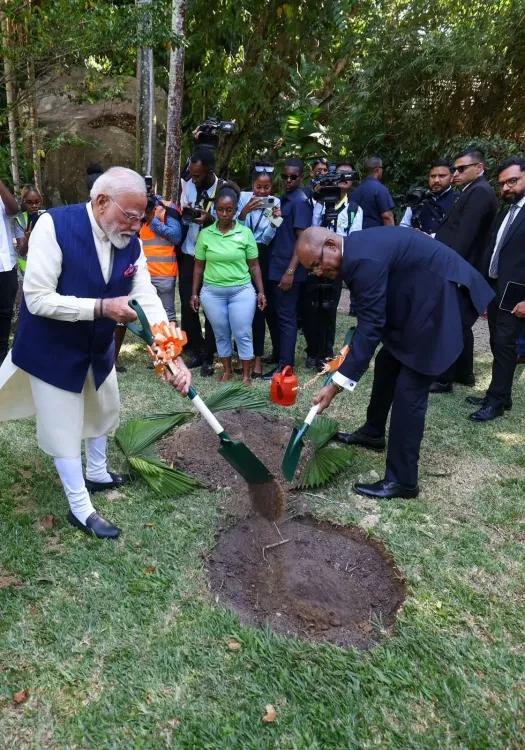
Prime Minister Narendra Modi participated in a ceremonial tree-planting at the National Botanical Garden of Seychelles on 27 June 2026 .
The two leaders planted the Coco de Mer , a palm species endemic exclusively to Seychelles and one of the most distinctive plants in the world.
Modi posted about the event in Seychellois Creole , describing it as 'a very special ceremony that demonstrates a shared commitment for a greener world.' The gesture aligns with India's SAGAR framework, which has guided Indian Ocean diplomacy since 2015 .
Environmental cooperation and biodiversity protection are emerging as central pillars of India's outreach to small island developing states.
Prime Minister Narendra Modi participated in a ceremonial tree-planting event at the National Botanical Garden of Seychelles on Saturday, 27 June 2026, alongside Seychelles President Dr Patrick Herminie. The two leaders jointly planted the Coco de Mer, an iconic palm endemic to Seychelles, in a gesture underscoring shared commitment to environmental stewardship.
Posting in Seychellois Creole, Prime Minister Modi described the ceremony as 'a very special ceremony that demonstrates a shared commitment for a greener world.' He noted that the Coco de Mer — plant anblematik Kokodmer (the emblematic Coco de Mer plant) — is unique to Seychelles, highlighting its ecological and cultural significance to the island nation.
Context
The tree-planting ceremony took place at the National Botanical Garden of Seychelles, one of the oldest botanical gardens in the Indian Ocean region. The Coco de Mer (Lodoicea maldivica) produces the largest seed in the plant kingdom and is found naturally only in Seychelles, making it a potent symbol of the archipelago's unique biodiversity. Prime Minister Modi's choice to post in Seychellois Creole signals deliberate cultural outreach beyond the standard diplomatic communiqué.
Policy Backdrop
India and Seychelles share a layered strategic partnership rooted in the SAGAR (Security and Growth for All in the Region) framework, which Prime Minister Modi articulated during his 2015 visit to the island nation. That doctrine prioritises cooperative maritime security and sustainable development across the Indian Ocean. Symbolic environmental acts such as joint tree plantings have become a consistent feature of India's public diplomacy with small island developing states, reinforcing its positioning on climate and biodiversity alongside harder security interests.
India has steadily deepened ties with African and Indian Ocean partners through bilateral visits, development assistance, and multilateral platforms. Environmental cooperation — ranging from solar energy to marine conservation — has emerged as a key pillar of this outreach, particularly as island nations face acute climate vulnerability.
Stakeholders and Impact
For Seychelles, the ceremony elevates the profile of its biodiversity assets on an international stage, potentially drawing attention to conservation funding needs. Environmental groups tracking Indian Ocean biodiversity will note the symbolic endorsement of endemic species protection by the leader of the world's most populous nation. Island communities across the region stand to benefit if the diplomatic warmth translates into concrete marine conservation or climate-resilience commitments.
India's domestic audience also receives a clear message: the government frames its foreign engagements through a sustainability lens, aligning with global green-transition narratives ahead of major multilateral climate meetings.
What's Next
Observers will watch for any joint statements or memoranda of understanding on marine conservation, biodiversity protection, or renewable energy emerging from this visit. Announcements tied to upcoming multilateral climate forums would give the ceremony additional policy weight beyond symbolism. The visit may also set the stage for expanded India-Seychelles cooperation under existing regional frameworks governing the Indian Ocean.
Point of View
Prime Minister Modi signals cultural sensitivity that amplifies the message beyond elite diplomatic circles. The event fits a broader pattern of using bilateral visits to island states as platforms for climate and biodiversity narratives, particularly as global attention on small island vulnerabilities intensifies ahead of multilateral climate negotiations. Whether this symbolic warmth yields concrete conservation commitments will determine its lasting policy significance.
NationPress
27 Jun 2026
Frequently Asked Questions
Why did PM Modi visit Seychelles in 2026?
Prime Minister Modi visited Seychelles to strengthen bilateral ties, participating in a ceremonial tree-planting with President Dr Patrick Herminie at the National Botanical Garden to highlight shared environmental commitments.
What is the Coco de Mer plant?
The Coco de Mer ( Lodoicea maldivica ) is a palm tree endemic exclusively to Seychelles and is known for producing the largest seed in the plant kingdom, making it a national symbol of the archipelago.
What is India's SAGAR policy?
SAGAR — Security and Growth for All in the Region — is a framework articulated by Prime Minister Modi during his 2015 Seychelles visit, aimed at fostering cooperative maritime security and sustainable development across the Indian Ocean .
Why did Modi post in Seychellois Creole?
Prime Minister Modi posted in Seychellois Creole as a gesture of cultural outreach, signalling respect for the local language and community beyond standard English or Hindi diplomatic communication.
What could follow from Modi's Seychelles visit?
Analysts expect possible joint statements or agreements on marine conservation , biodiversity protection, or renewable energy, with announcements potentially timed to upcoming multilateral climate forums.