PM Modi praises Assam's wildlife conservation on Mann Ki Baat
Synopsis
Prime Minister Narendra Modi highlighted Assam's wildlife and nature conservation work during the September 27, 2026 Mann Ki Baat broadcast. The Chief Minister's Office of Assam shared the moment, drawing attention to the state's role as a custodian of iconic biodiversity zones including Kaziranga and Manas.
Key Takeaways
PM Narendra Modi praised Assam's wildlife and nature conservation efforts on Mann Ki Baat, September 27, 2026 .
The Chief Minister's Office of Assam shared a video clip of the acknowledgement on X.
Assam is home to Kaziranga and Manas national parks, both UNESCO World Heritage Sites.
Mann Ki Baat is the Prime Minister's monthly radio address, reaching tens of millions of listeners nationally.
Central recognition of state conservation efforts on this platform has historically preceded closer policy and scheme attention from the Centre.
A national radio audience of millions heard Prime Minister Narendra Modi single out Assam for its efforts in nature and wildlife conservation during the September 27, 2026 edition of Mann Ki Baat — the monthly address that has become a direct line from the Centre to the country.
The Chief Minister's Office of Assam shared a video clip of the moment, amplifying the Prime Minister's words to its own audience and signalling the state government's pride in the acknowledgement.
Why Assam sits at the heart of India's conservation story
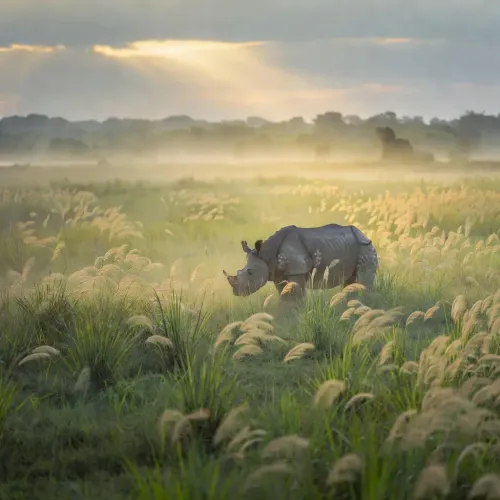
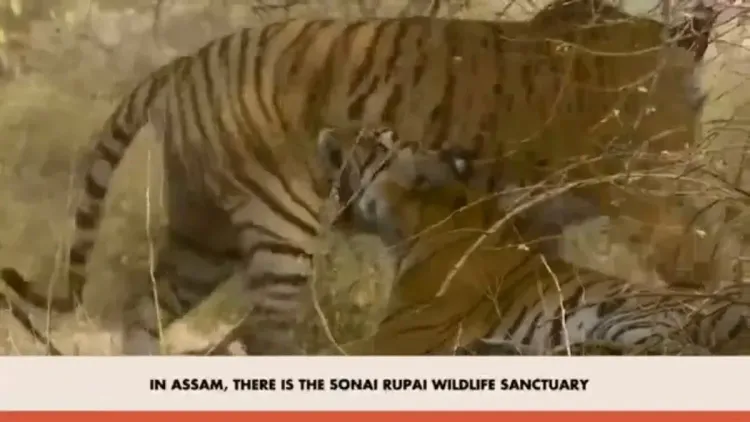
Assam is home to some of India's most iconic protected landscapes. Kaziranga National Park — a UNESCO World Heritage Site — shelters the world's largest population of the Indian one-horned rhinoceros. Manas National Park, another World Heritage Site, is a critical corridor for tigers, elephants, and golden langurs. Together, they place Assam at the geographic and symbolic centre of northeastern India's biodiversity belt.
The state's forest department has over the years worked on anti-poaching drives, community-based conservation models, and habitat restoration — efforts that periodically draw national attention. Central recognition through a platform as wide as Mann Ki Baat carries weight: the programme reaches tens of millions of listeners across radio and digital platforms every month.
Mann Ki Baat as a conservation pulpit
Mann Ki Baat has, across its run, become a vehicle for the Prime Minister to spotlight grassroots and state-level work that might otherwise stay below the national radar. Episodes have previously highlighted citizen-led tree-plantation drives, river-cleaning initiatives, and wildlife rescue stories. Acknowledging Assam's conservation efforts in this forum places the state's work in front of a national audience and, in effect, sets a benchmark for other states.
The pattern is worth noting: when the Centre publicly praises a state's environmental record on a platform this visible, it often precedes — or accompanies — renewed focus on scheme allocations or policy support for protected-area management.
For Assam, where conservation and economic development must constantly be balanced against each other in fragile flood-plain ecosystems, the Prime Minister's words are more than ceremonial. They are a signal that the state's approach is being watched — and endorsed — at the highest level.
Point of View
While the Centre reinforces its environmental credentials before a mass audience. For Assam's government, the clip is political capital — proof that Delhi is watching and approving. More structurally, it reflects the Modi government's consistent use of Mann Ki Baat to push conservation as a citizen-values story rather than a regulatory burden, a framing that builds soft consensus around protected-area policies. The real measure of the moment will come in whether follow-up funding or policy attention for Assam's forests materialises in the months ahead.
NationPress
27 Sept 2026
Frequently Asked Questions
What did PM Modi say about Assam in Mann Ki Baat?
PM Modi appreciated Assam's efforts in nature and wildlife conservation during the September 27, 2026 edition of Mann Ki Baat, as highlighted by the Chief Minister's Office of Assam.
What is Mann Ki Baat?
Mann Ki Baat is Prime Minister Narendra Modi's monthly radio address in which he discusses governance, social issues, and citizen-led initiatives with a national audience across radio and digital platforms.
Which national parks make Assam important for wildlife conservation?
Assam is home to Kaziranga National Park — the world's largest habitat for the Indian one-horned rhinoceros — and Manas National Park, both UNESCO World Heritage Sites and key biodiversity corridors.
Why does central recognition of Assam's conservation matter?
Acknowledgement on a high-visibility platform like Mann Ki Baat places Assam's conservation work before a national audience and can signal closer Centre-state cooperation on protected-area management and scheme allocations.
Has Mann Ki Baat featured conservation topics before?
Yes, Mann Ki Baat episodes have periodically spotlighted citizen-led and state-level environmental initiatives including tree-plantation drives, river-cleaning campaigns, and wildlife rescue stories.