PM Modi spotlights Assam wildlife work on Mann Ki Baat
Synopsis
Prime Minister Narendra Modi used the September 27, 2026 Mann Ki Baat broadcast to highlight Assam's wildlife conservation achievements, including Pygmy Hog recovery and habitat work at Sonai Rupai Wildlife Sanctuary, earning the state rare national-platform recognition.
Key Takeaways
PM Narendra Modi spotlighted Assam's wildlife conservation on Mann Ki Baat, September 27, 2026 .
The Pygmy Hog — one of the world's rarest wild pigs — was specifically cited, reflecting decades of captive-breeding and reintroduction work dating to the 1990s .
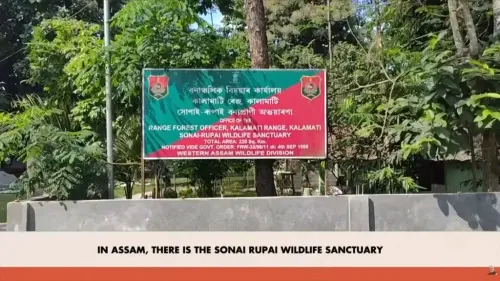
Sonai Rupai Wildlife Sanctuary in Assam was named for its habitat restoration efforts.
Assam's conservation work was framed as contributing to India's broader endangered-species and forest-protection targets.
Such Mann Ki Baat mentions have historically preceded increased central attention and potential funding for featured programmes.
On a national radio stage that reaches hundreds of millions of Indians, Prime Minister Narendra Modi chose to spotlight Assam's wildlife and nature conservation record during the September 27, 2026 edition of Mann Ki Baat — lifting the state's painstaking field work from the forest floor straight into the national conversation.
The Chief Minister's Office of Assam welcomed the recognition, citing two specific pillars of the state's effort: the conservation of the Pygmy Hog — one of the world's rarest and smallest wild pigs — and habitat restoration work at the Sonai Rupai Wildlife Sanctuary in northern Assam.
The Pygmy Hog's long road back
The Pygmy Hog's story is one of Indian conservation's quiet triumphs. The species was once declared functionally extinct across most of its range before captive-breeding and reintroduction programmes — in which Assam has been a central participant since the 1990s — began reversing its decline. Getting a name-check on Mann Ki Baat signals that this decades-long effort has broken through to mainstream national recognition.
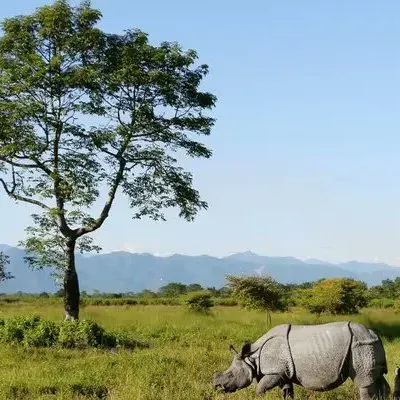
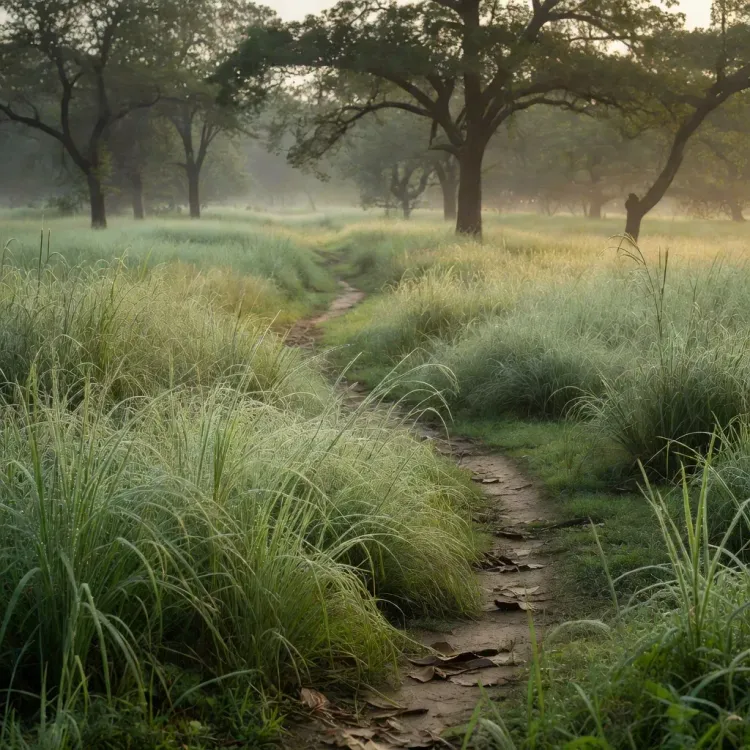
The animal's survival depends almost entirely on the tall-grass ecosystems of the northeastern Himalayan foothills — precisely the terrain that Assam's forest department and wildlife conservationists have spent years painstakingly restoring. That specificity of habitat makes every acre of grassland saved a direct contribution to the species' survival odds.
Sonai Rupai and the habitat-first approach
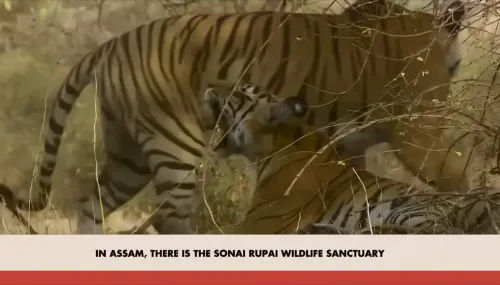
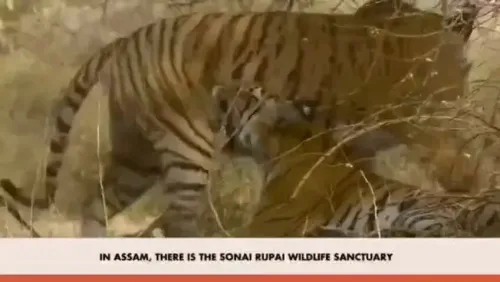
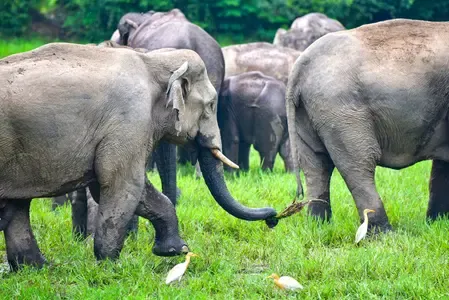
Sonai Rupai Wildlife Sanctuary, a protected area in Assam's Sonitpur district, anchors the state's broader push on habitat restoration. It sits within the larger forest corridor that links several protected areas in the region, making it strategically critical for species that need to move across landscapes — including elephants, tigers, and the Pygmy Hog itself.
The sanctuary's mention alongside the Pygmy Hog in a prime-ministerial address underlines a shift in how India frames conservation success: not just as species counts, but as ecosystem-level wins. Forests restored, corridors kept open, habitats made viable — these are the metrics that matter.
What national visibility means for state conservation funding
Mann Ki Baat has a documented track record of translating spotlight into support. States and projects featured on the programme have subsequently attracted central attention, follow-up visits, and, in several cases, enhanced funding. Assam's forest department and its conservation partners will be watching closely for any downstream policy or budgetary signal from New Delhi in the months ahead.
India has committed to ambitious biodiversity targets under international frameworks, and state-level success stories like Assam's provide the ground-level evidence that those targets are achievable. One radio mention will not save a species — but it keeps the pressure on, and it keeps the money flowing.
Point of View
The shout-out is both a validation of ground-level forestry policy and useful political capital ahead of any future election cycle. The Pygmy Hog angle is particularly telling: by foregrounding a species most urban listeners have never heard of, the Centre signals that India's conservation narrative is maturing beyond tiger-count optics. Whether the recognition translates into enhanced central funding for Assam's wildlife corridors will be the sharper test of intent.
NationPress
27 Sept 2026
Frequently Asked Questions
What did PM Modi say about Assam on Mann Ki Baat?
On the September 27, 2026 edition of Mann Ki Baat, PM Modi highlighted Assam's wildlife and nature conservation work, specifically mentioning the Pygmy Hog conservation programme and efforts at Sonai Rupai Wildlife Sanctuary.
What is the Pygmy Hog and why is it significant in Assam?
The Pygmy Hog is one of the world's rarest and smallest wild pig species, once nearly extinct across its range. Assam has been central to its recovery through captive-breeding and reintroduction programmes running since the 1990s.
Where is Sonai Rupai Wildlife Sanctuary?
Sonai Rupai Wildlife Sanctuary is a protected area in Assam's Sonitpur district, known for habitat restoration and its role in the forest corridor linking multiple protected areas in the northeastern Himalayan foothills.
What is Mann Ki Baat?
Mann Ki Baat is a monthly radio programme hosted by Prime Minister Narendra Modi that features selected national achievements, state-level success stories, and citizen initiatives, broadcast across India.
Will Assam get more conservation funding after the Mann Ki Baat mention?
No announcement has been made yet, but states and projects featured on Mann Ki Baat have historically received increased central attention and follow-up support; conservationists and the Assam forest department will be watching for any policy signal from New Delhi.