CM Himanta Oversees Release of 15 Pygmy Hogs at Manas
Synopsis
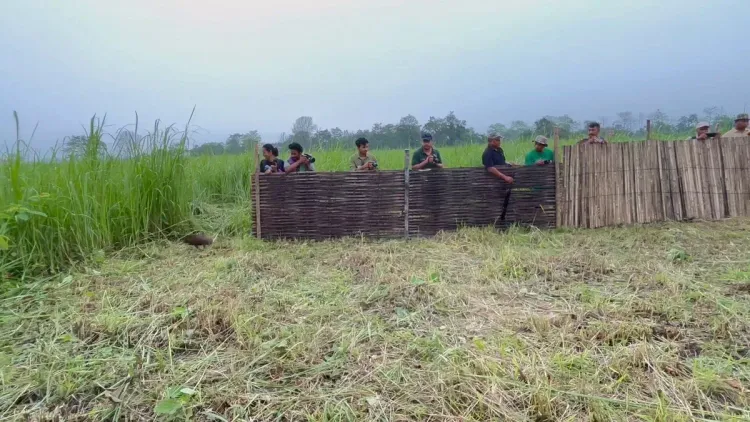
Assam Chief Minister Himanta Biswa Sarma announced the release of 15 critically endangered pygmy hogs into Manas National Park on June 9, 2026, marking a fresh milestone for the long-running Pygmy Hog Conservation Programme and the state's grassland ecosystem restoration efforts.
Key Takeaways
15 pygmy hogs were released into the wild at Manas National Park on June 9, 2026 .
The release is part of the Pygmy Hog Conservation Programme , a captive-breeding and reintroduction initiative running since the mid-1990s .
The pygmy hog ( Porcula salvania ) is critically endangered and survives almost exclusively in Assam's alluvial grasslands.
Manas National Park is a UNESCO World Heritage Site that was removed from the danger list in 2011 following recovery efforts.
The programme is a partnership between the Durrell Wildlife Conservation Trust , the Assam Forest Department , and local NGOs.
Assam has been systematically expanding grassland-specialist reintroduction programmes as part of post-insurgency ecological recovery across the Brahmaputra valley .
Assam Chief Minister Himanta Biswa Sarma on Tuesday, June 9, 2026, announced the release of 15 pygmy hogs into the wild at Manas National Park under the state's ongoing Pygmy Hog Conservation Programme, describing the milestone as a step toward restoring fragile grassland ecosystems and protecting one of the world's rarest wild pigs.
Context
The pygmy hog (Porcula salvania) is a critically endangered species and among the smallest wild pigs on earth. Once found across the terai grasslands stretching from Pakistan to Myanmar, it now survives almost exclusively in the alluvial grasslands of Assam. The species was believed extinct until its rediscovery in the 1970s, and its continued survival depends almost entirely on targeted conservation intervention.
Manas National Park, a UNESCO World Heritage Site inscribed in 1985, serves as the primary release site for the programme. The park was placed on the UNESCO List of World Heritage in Danger between 1992 and 2011 due to poaching and insurgency, before sustained protection and habitat management efforts restored its status — making it a symbol of ecological recovery in the region.
Policy Backdrop
The Pygmy Hog Conservation Programme has been operational in Assam since the mid-1990s, with captive-breeding operations commencing in 1996. The programme is run through a partnership between the Durrell Wildlife Conservation Trust, the Assam Forest Department, and local non-governmental organisations. First experimental releases into Manas were carried out in the 2000s, and the programme has continued to expand its release efforts over subsequent years.
Assam under Chief Minister Sarma has positioned systematic reintroduction of grassland specialists as a core pillar of the state's post-insurgency ecological recovery strategy. These efforts also align with India's obligations under the Convention on Biological Diversity. Similar captive-breeding and release programmes have been extended to other threatened species across the Brahmaputra valley and adjoining reserves.
Stakeholders and Impact
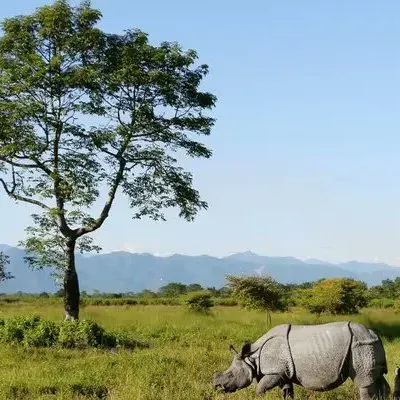
The release directly benefits the fragile grassland biome within and around Manas National Park, which supports a suite of threatened species including tigers, rhinos, and elephants alongside the pygmy hog. Conservation NGOs involved in the programme stand to gain from the state government's continued institutional support and funding alignment.
Fringe communities around Manas are also stakeholders in this process — the park's recovery from its 'danger list' years required local cooperation, and ongoing reintroduction efforts depend on reduced poaching pressure and habitat encroachment from surrounding villages. Strengthening the pygmy hog population contributes to the broader ecological health of the grassland system that these communities depend on.
What's Next
Annual monitoring of the survival and breeding success of the released individuals will be critical to assessing the programme's long-term viability. Conservationists and the Assam Forest Department are expected to track the hogs' adaptation to the wild habitat at Manas. Any future announcements on extending the programme to additional grassland patches in Assam or neighbouring Arunachal Pradesh will be closely watched by wildlife researchers and policy observers.
The latest release reinforces Assam's emerging identity as a conservation leader in northeastern India, with the state increasingly leveraging its protected-area network to reverse decades of habitat loss and species decline across the Brahmaputra floodplains.
Point of View
And announcements like this serve a dual purpose: demonstrating administrative follow-through on long-running scientific programmes and projecting Assam as a model for northeastern development that does not come at the cost of natural heritage. The Pygmy Hog Conservation Programme, sustained across multiple governments and decades, gaining fresh political visibility under the current dispensation, also reflects a broader national pattern of state governments aligning with India's international biodiversity commitments for both diplomatic and domestic credibility.
NationPress
26 Oct 2026
Frequently Asked Questions
What is the Pygmy Hog Conservation Programme in Assam?
The Pygmy Hog Conservation Programme is a long-running captive-breeding and reintroduction initiative for the critically endangered pygmy hog, operating in Assam since the mid-1990s through a partnership between the Durrell Wildlife Conservation Trust, the Assam Forest Department, and local NGOs.
Where is Manas National Park and why is it significant?
Manas National Park is located in Assam, India. It is a UNESCO World Heritage Site inscribed in 1985, known for its alluvial grasslands and biodiversity. It was placed on the UNESCO danger list from 1992 to 2011 due to poaching and insurgency before recovery efforts restored its status.
How endangered is the pygmy hog?
The pygmy hog (Porcula salvania) is critically endangered and is considered one of the world's rarest wild pigs. Once found across the terai grasslands of South Asia, it now survives almost exclusively in the alluvial grasslands of Assam.
How many pygmy hogs were released at Manas in June 2026?
Assam Chief Minister Himanta Biswa Sarma announced the release of 15 pygmy hogs into the wild at Manas National Park on June 9, 2026, under the Pygmy Hog Conservation Programme.
What is Assam doing for wildlife conservation under CM Himanta Biswa Sarma?
Under Chief Minister Himanta Biswa Sarma, Assam has pursued systematic reintroduction of grassland specialists in protected areas as part of post-insurgency ecological recovery. The state has expanded captive-breeding and release programmes for multiple threatened species across the Brahmaputra valley and adjoining reserves.