PM Modi spotlights Assam conservation: elephants back, pygmy hogs cross 190
Synopsis
On Mann Ki Baat's 138th episode, Modi revealed that elephants have reclaimed the Sonai Rupai Wildlife Sanctuary three years after encroachments were cleared — and that Assam's pygmy hog programme has grown a founding group of six animals into a population of over 190. Two quiet conservation wins that rarely make headlines but signal what targeted habitat restoration can achieve.
Key Takeaways
PM Modi highlighted Assam's wildlife conservation on Mann Ki Baat episode 138 , aired 27 September 2026 .
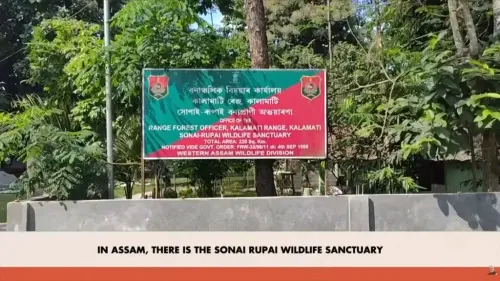
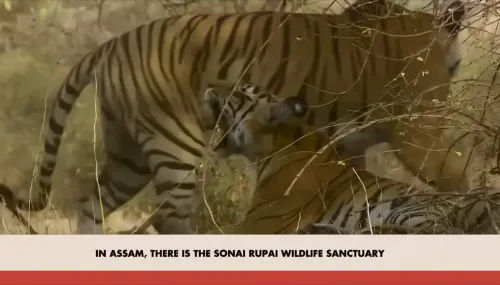
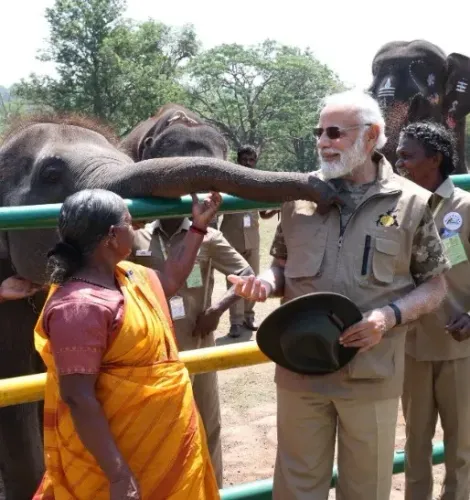
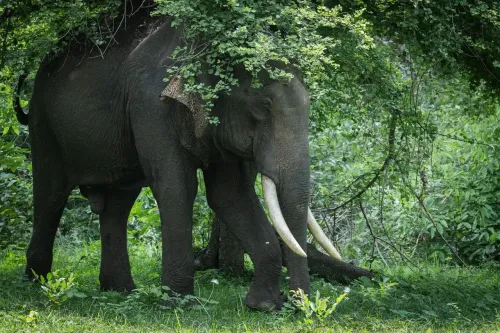
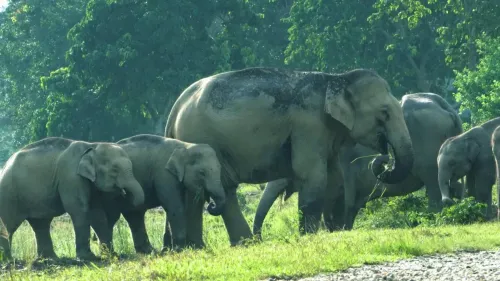
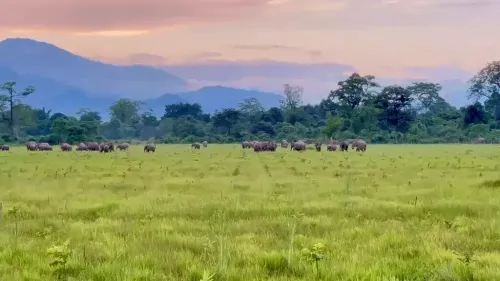
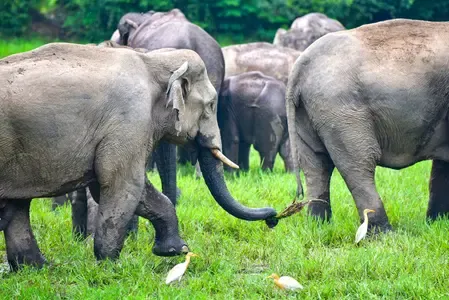
Elephants have returned to the Sonai Rupai Wildlife Sanctuary after encroachments were cleared three years ago .
The endangered pygmy hog population has grown from just 6 animals to over 190 through a dedicated conservation programme.
Modi linked both successes to the importance of habitat restoration and removing human encroachment from forest land.
The pygmy hog is among the world's smallest and rarest wild pigs, endemic to Assam's Brahmaputra valley grasslands.
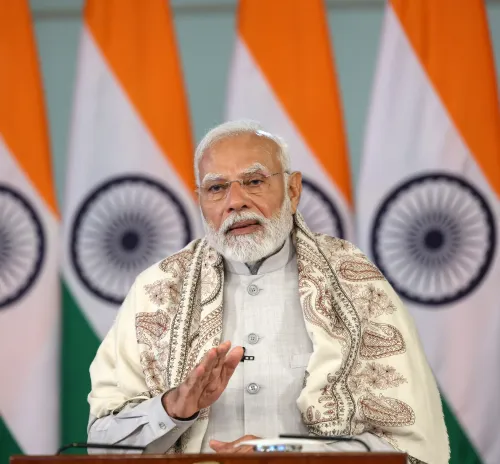
Prime Minister Narendra Modi on Sunday, 27 September 2026, used the 138th episode of his monthly radio programme 'Mann Ki Baat' to showcase two landmark wildlife conservation successes in Assam — the return of elephants to the Sonai Rupai Wildlife Sanctuary after years of absence, and the revival of the critically endangered pygmy hog from a founding population of just six animals to over 190.
Elephants Return to Sonai Rupai
Modi described how the Sonai Rupai Wildlife Sanctuary in Assam had once been thriving elephant territory, until sustained human encroachment gradually pushed the animals out. Three years ago, authorities cleared the encroachments from the forest land, and the impact has since been visible on the ground.
'The elephants have returned to this forest once again. Herds of elephants are once again being seen in the area where they had not been active for years,' Modi said during the broadcast. The reversal underscores how habitat restoration — rather than relocation — can be an effective long-term conservation tool, particularly for large mammals whose home ranges are vast.
Pygmy Hog: From Six to Over 190
Modi also highlighted efforts to save the pygmy hog, described as one of the world's smallest and rarest wild pigs. At its lowest point, the species' very survival was under serious threat. A structured conservation programme was then launched, beginning with just six pygmy hogs that were resettled in forest areas while the grasslands they depend on were simultaneously restored.
'Today, because of this programme, the number of pygmy hogs has grown to over 190,' Modi said, calling the outcome 'a beautiful effort.' The pygmy hog, endemic to the tall grasslands of the Brahmaputra valley, had been declared functionally extinct in the wild before such captive-breeding and reintroduction initiatives began decades ago. The population figure cited by Modi suggests the programme has gained meaningful traction.
The Broader Conservation Message
Modi framed both examples within a larger argument about the relationship between environmental protection and human well-being. 'When we protect the environment, we are not only protecting trees, plants, and wildlife. We are also strengthening the entire ecosystem that sustains life,' he said.
This is consistent with themes Modi has returned to repeatedly on Mann Ki Baat — linking grassroots conservation action to national environmental goals and encouraging public participation. Notably, both the elephant corridor restoration and the pygmy hog reintroduction involve community-level cooperation alongside government intervention, a model conservation experts have long advocated for ecologically sensitive regions like Assam's flood plains and grasslands.
What These Efforts Signal
Assam is home to some of India's most biodiverse ecosystems, including Kaziranga National Park, a UNESCO World Heritage Site. The state has faced persistent challenges — from human-wildlife conflict to encroachment on protected land — making the Sonai Rupai turnaround particularly significant. The elephant population's return suggests that when encroachment is addressed decisively, wildlife corridors can recover within a relatively short time horizon.
For the pygmy hog, the road ahead involves sustaining the wild population's genetic diversity and continuing grassland management, conservationists note. With over 190 individuals now counted, the species remains vulnerable but is no longer on the immediate brink of extinction. All eyes will be on whether this momentum can be institutionalised beyond individual programme cycles.
Point of View
But the underlying science here is genuinely encouraging. The Sonai Rupai elephant return is a rare example of encroachment removal actually working at scale, a policy tool that has stalled or been reversed in many other Indian forest corridors. The pygmy hog figure — over 190 from six — is a credible conservation milestone, though the species remains vulnerable and programme continuity is not guaranteed across government cycles. The larger question mainstream coverage tends to skip: how many other forest encroachments remain unchallenged across Assam and India, and whether the political will that produced Sonai Rupai can be replicated systematically rather than selectively.
NationPress
27 Sept 2026
Frequently Asked Questions
What did PM Modi say about Assam's conservation on Mann Ki Baat?
PM Modi, on the 138th episode of Mann Ki Baat aired on 27 September 2026, highlighted two conservation successes in Assam — the return of elephants to the Sonai Rupai Wildlife Sanctuary after encroachments were cleared three years ago, and the growth of the pygmy hog population from six animals to over 190 through a dedicated reintroduction programme.
Why did elephants leave the Sonai Rupai Wildlife Sanctuary?
According to Modi's account, increasing human encroachment on forest land in and around the Sonai Rupai Wildlife Sanctuary gradually forced elephants out of the area. Once the encroachments were cleared three years ago, the elephants began returning to their former habitat.
What is the pygmy hog and why is it endangered?
The pygmy hog is one of the world's smallest and rarest wild pigs, endemic to the tall grasslands of Assam's Brahmaputra valley. Its population had fallen so severely that the species was considered functionally extinct in the wild before captive-breeding and reintroduction efforts began. The conservation programme Modi referenced started with just six animals and has grown the population to over 190.
What is Mann Ki Baat and how often does PM Modi address it?
Mann Ki Baat is Prime Minister Narendra Modi's monthly radio programme, broadcast on All India Radio, in which he speaks directly to citizens on topics ranging from governance and social initiatives to conservation and cultural achievements. The 27 September 2026 broadcast was its 138th episode.
What broader message did Modi draw from these conservation examples?
Modi used the Assam examples to argue that protecting the environment strengthens entire ecosystems that sustain life — not just trees or individual species. He linked both successes to the importance of habitat restoration, encroachment removal, and public participation in conservation, themes he has returned to repeatedly on Mann Ki Baat.