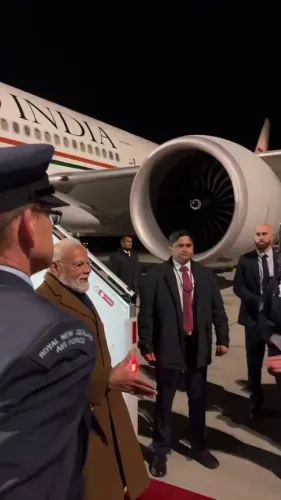
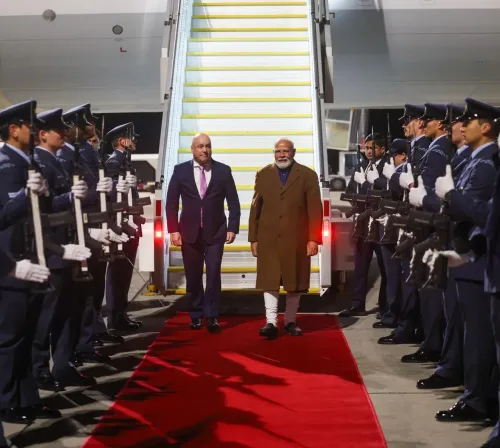
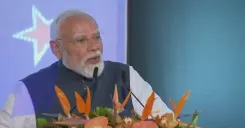
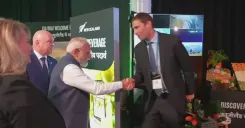
PM Modi receives ceremonial Māori welcome in Auckland
Synopsis
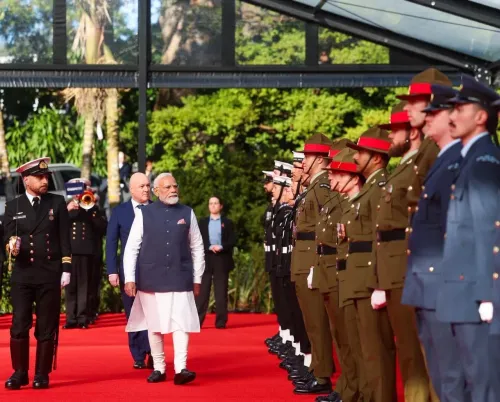
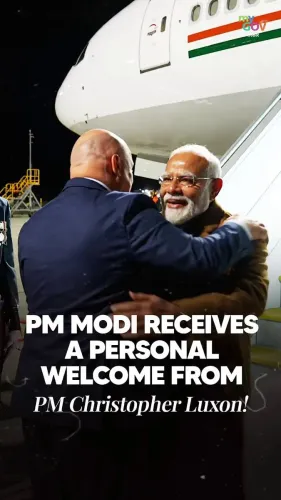
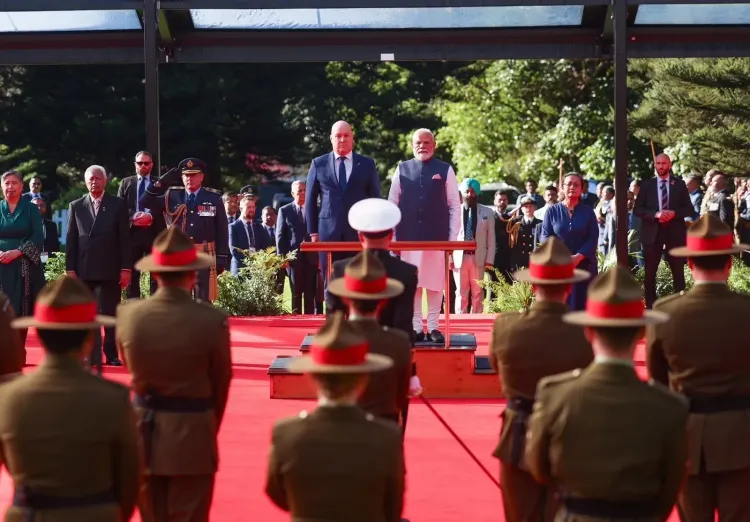
Prime Minister Narendra Modi received a traditional Māori pōwhiri ceremony at Government House in Auckland on 12 July 2026, hosted by New Zealand PM Chris Luxon. The visit signals India's deepening Indo-Pacific outreach, with bilateral trade and FTA prospects closely watched.
Key Takeaways
PM Modi received a ceremonial Māori pōwhiri welcome at Government House, Auckland on 12 July 2026 .
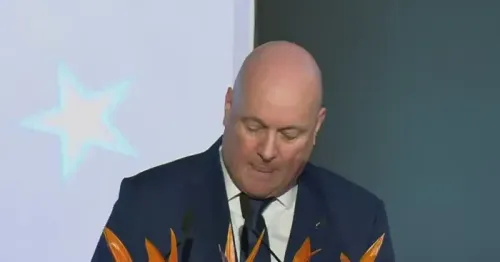
The welcome was hosted by New Zealand Prime Minister Chris Luxon , leader of the National Party since 2023 .
India and New Zealand have maintained diplomatic relations since 1950 , with ties spanning trade, education, and agriculture.
The visit is part of India's broader high-level outreach across the Indo-Pacific to build partnerships with democratic nations.
Potential revival of India-New Zealand Free Trade Agreement negotiations is among the key outcomes being watched.
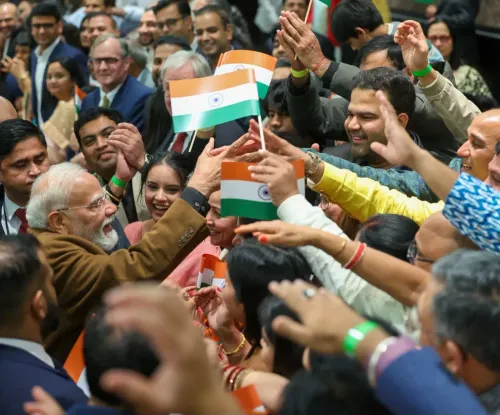
The Indian diaspora in New Zealand and bilateral trade negotiators are among the primary stakeholders monitoring the visit.
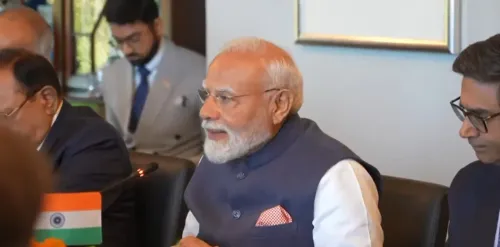
Prime Minister Narendra Modi received a ceremonial welcome at Government House in Auckland, New Zealand, on Saturday, 12 July 2026, as part of an official visit hosted by New Zealand Prime Minister Chris Luxon. Modi described the traditional Māori pōwhiri as 'a moving reflection of New Zealand's rich heritage and traditions.'
Context
The pōwhiri is a formal Māori welcoming ceremony that incorporates oratory (whaikōrero), song (waiata), and sacred protocols to receive distinguished guests onto a marae or official ground. Being received with a pōwhiri at Government House — the official Auckland residence of New Zealand's Governor-General — signals the highest tier of ceremonial respect extended to a visiting head of government. Modi acknowledged the honour directly in his post, tagging Chris Luxon in recognition of the host government's arrangements.
Policy Backdrop
India and New Zealand established diplomatic relations in 1950 and have maintained regular foreign office consultations on trade and security since the 1990s. The visit fits into India's sustained high-level outreach across the Indo-Pacific, aimed at deepening economic partnerships and people-to-people ties with democratic partners in the region. New Zealand is a participant in key multilateral forums where India has sought to build coalitions on trade, climate, and regional security architecture.
Bilateral cooperation has historically centred on agriculture, education, and technology, with a significant Indian diaspora in New Zealand serving as a bridge between the two societies. Discussions on a bilateral free trade agreement have been on the agenda in earlier rounds of engagement, making any economic deliverables from this visit closely watched by trade negotiators on both sides.
Stakeholders and Impact
The Indian diaspora in New Zealand — one of the country's fastest-growing communities — stands to benefit from any strengthening of people-to-people frameworks, including potential movement-of-professionals provisions in trade talks. Students, agricultural exporters, and technology firms on both sides are among the stakeholder groups most attentive to the visit's outcomes. For New Zealand, deeper engagement with one of the world's largest economies carries significant trade diversification value.
Prime Minister Luxon, who has led the National Party government since 2023, has emphasised expanding New Zealand's economic relationships in the Indo-Pacific. A high-profile ceremonial welcome for Modi underscores the political priority Wellington attaches to the bilateral relationship at this juncture.
What's Next
Attention will now turn to the substantive bilateral talks between Modi and Luxon, where any movement on a long-discussed India-New Zealand Free Trade Agreement would be the most significant outcome. Joint positions on climate change, regional security, and multilateral cooperation are also expected to feature on the agenda. The ceremonial welcome marks the opening of what both governments will hope translates into concrete agreements before the visit concludes.
Point of View
The visit extends a pattern of high-level bilateral engagement with Pacific democracies, complementing outreach to Australia, Japan, and Pacific Island nations. The emphasis on cultural respect alongside economic ambition reflects a deliberate Indian diplomatic style that has proven effective in building durable bilateral goodwill. Whether the ceremonial warmth translates into a concrete FTA framework or security cooperation language will determine the strategic weight of this visit.
NationPress
11 Jul 2026
Frequently Asked Questions
Why did PM Modi visit New Zealand in 2026?
PM Modi visited New Zealand in July 2026 for an official bilateral visit hosted by Prime Minister Chris Luxon, aimed at strengthening diplomatic, trade, and people-to-people ties between the two countries.
What is a Māori pōwhiri ceremony?
A pōwhiri is a traditional Māori welcoming ceremony that involves formal oratory, song, and sacred protocols. It is used to receive distinguished guests and is considered one of the highest forms of ceremonial welcome in New Zealand.
Where was PM Modi welcomed in Auckland?
PM Modi was received at Government House in Auckland, the official residence used for state receptions and ceremonial events in New Zealand's largest city.
What is the current state of India-New Zealand relations?
India and New Zealand have maintained diplomatic relations since 1950, with cooperation spanning trade, education, agriculture, and technology. A bilateral free trade agreement has been discussed in earlier rounds of engagement.