PM Modi Reviews Assam Flood Crisis with State MPs
Synopsis
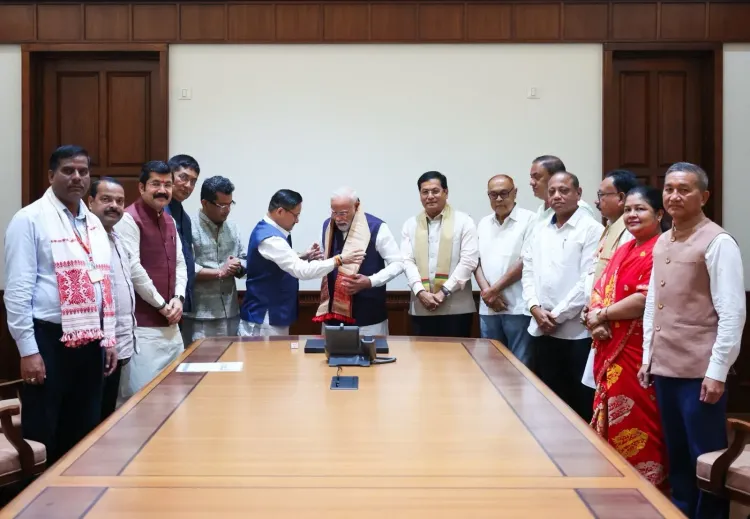
Prime Minister Narendra Modi met Assam MPs on July 28, 2026 to review the state's escalating flood crisis and reaffirmed full central support and all necessary assistance for flood-affected residents, invoking India's federal disaster management framework.
Key Takeaways
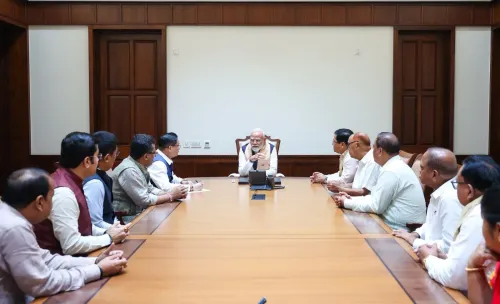
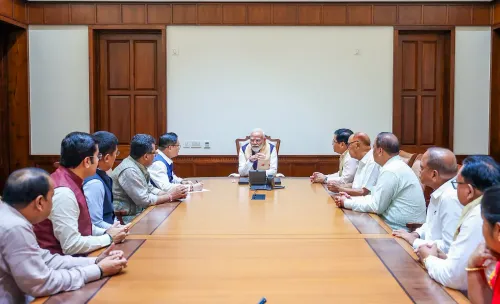
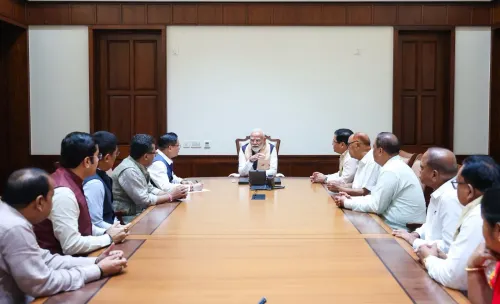
PM Narendra Modi met Members of Parliament from Assam on July 28, 2026 to review the flood situation in the state.
Modi reaffirmed the Centre's 'full support' and assured 'all necessary assistance' to flood-affected people in Assam.
The meeting was flagged officially by the Chief Minister's Office of Assam via its official X account.
Assam faces annual monsoon flooding driven by the Brahmaputra river , making it one of India's most chronically flood-vulnerable states.
Under the Disaster Management Act, 2005 , the Centre can deploy NDRF teams and release funds from the State Disaster Response Fund in such situations.
Possible follow-up actions include additional NDRF deployments and emergency financial releases from central disaster funds.
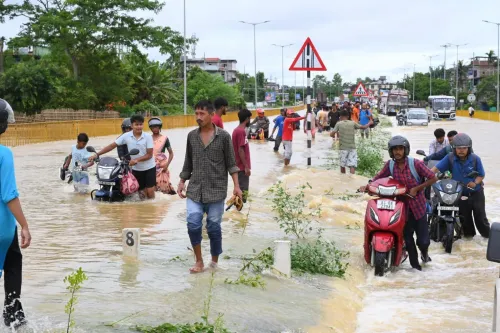
When a state drowns, the Centre listens. Prime Minister Narendra Modi met with Members of Parliament from Assam on Tuesday, July 28, 2026, to take direct stock of the worsening flood situation gripping the northeastern state — and personally reaffirmed that New Delhi stands fully behind the people caught in the deluge.
The meeting, flagged by the Chief Minister's Office of Assam, signals that the crisis has escalated to a level demanding prime ministerial attention. Modi 'assured all necessary assistance to the people affected by the floods,' according to the official readout — a commitment that, under India's federal disaster management architecture, can translate into accelerated National Disaster Response Force (NDRF) deployments, emergency releases from the State Disaster Response Fund, and direct central coordination with the state machinery.
Why the Brahmaputra Never Forgives a Monsoon
Assam's flood crisis is not a surprise — it is a calendar event that turns catastrophic. The Brahmaputra river, one of the world's most powerful and sediment-laden rivers, swells every monsoon season and breaches embankments across the state's low-lying districts, displacing hundreds of thousands of residents and destroying crops, livestock, and infrastructure. The scale of the annual inundation has made Assam one of India's most chronically flood-vulnerable states, and the human cost compounds year after year. The Disaster Management Act, 2005 created the legal scaffolding for exactly this kind of Centre-state coordination — establishing the NDRF as the premier rapid-response force and laying out the mechanisms by which states can draw on central funds and expertise during declared disasters. A prime ministerial review meeting with a state's MPs is a significant step within that framework, signalling that the situation has moved beyond routine state-level management.MPs as the Bridge Between Delhi and the Flood Line
Choosing to meet elected MPs — rather than only bureaucrats — is a deliberate political and administrative choice. Assam's Members of Parliament carry constituency-level intelligence: which districts are submerged, which roads have been cut off, where relief has not reached. That ground-level granularity, fed directly into a prime ministerial review, can sharpen the targeting of central assistance in ways that official reports sometimes cannot. The Centre's reaffirmation of 'full support' now sets expectations. Flood-affected communities, state administrators, and Assam's own government will be watching for concrete follow-through — whether in the form of additional NDRF battalions, emergency financial releases, or a formal central team dispatched to assess damages on the ground. Assam's floods wait for no one. The question now is how fast the assurance becomes action.Point of View
Which also governs Assam, a swift and coordinated response carries both administrative and electoral weight in the Northeast. The invocation of 'full support' echoes a well-worn playbook of Centre-state disaster coordination, but the test, as always, lies in the speed and scale of what follows. If central assistance materialises rapidly, it reinforces the federal disaster management architecture; if it stalls, the gap between assurance and action becomes the story.
NationPress
28 Jul 2026
Frequently Asked Questions
Why did PM Modi meet Assam MPs about the floods?
PM Modi met Assam's Members of Parliament on July 28, 2026 to get a direct, constituency-level picture of the flood situation and to reaffirm that the Centre would provide full support and all necessary assistance to affected residents.
What central help can Assam get for flood relief?
Under the Disaster Management Act, 2005, the Centre can deploy National Disaster Response Force teams, release funds through the State Disaster Response Fund, and send central assessment teams — all mechanisms that a prime ministerial review can accelerate.
How bad are Assam floods every year?
The Brahmaputra river causes widespread annual flooding across Assam during the monsoon season, displacing hundreds of thousands of people, destroying crops and infrastructure, and making the state one of India's most chronically flood-affected regions.
What did the Chief Minister's Office of Assam say about the meeting?
The Chief Minister's Office of Assam posted on X that PM Modi met Assam MPs to review the prevailing flood situation and reaffirmed the Centre's full support, assuring all necessary assistance to flood-affected people.
What happens after PM Modi's assurance on Assam floods?
The assurance sets expectations for concrete follow-through, which could include additional NDRF battalion deployments, emergency financial releases from central disaster funds, or a formal central team being dispatched to assess on-ground damages in Assam.