CM Rekha Gupta Boards DTC Bus to Inspect Rohini Works
Synopsis
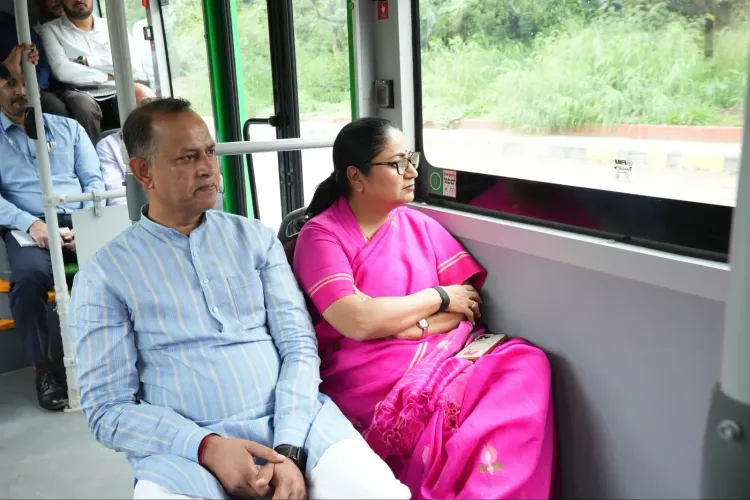
Delhi Chief Minister Rekha Gupta rode a DTC bus from CM Jan Seva Sadan to Rohini on 28 July 2026, reviewing civic works and sanitation firsthand. She directed officials to complete all projects on time and with quality, and to improve inter-departmental coordination. Cabinet colleague Ravindra Indraj Singh accompanied her.
Key Takeaways
Delhi CM Rekha Gupta travelled by DTC bus from CM Jan Seva Sadan to Rohini on 28 July 2026 to inspect civic works.
The inspection covered sanitation, ongoing construction, and public amenities along the route.
Gupta issued direct orders to officials for on-time, quality completion of all works and full upkeep of cleanliness systems.
Cabinet minister Ravindra Indraj Singh accompanied the Chief Minister during the review.
The visit signals a focus on inter-departmental coordination as a governance priority in Delhi.
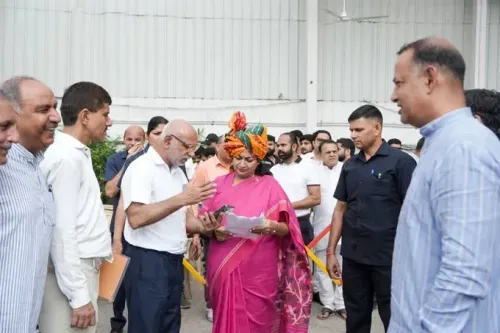
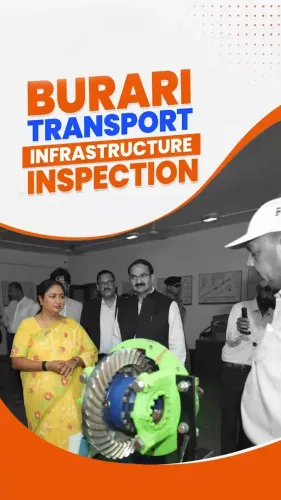
Stepping onto a Delhi Transport Corporation (DTC) bus at CM Jan Seva Sadan on Tuesday, 28 July 2026, Delhi Chief Minister Rekha Gupta rode the public transit route all the way to Rohini — reviewing civic works, sanitation, and construction progress from the ground up, not from a motorcade.
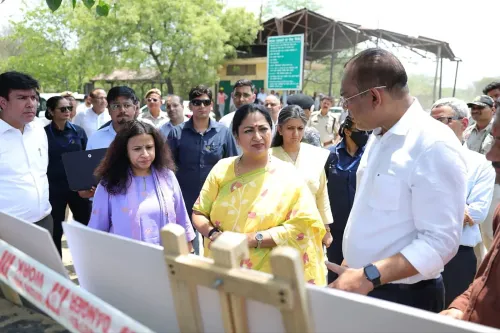
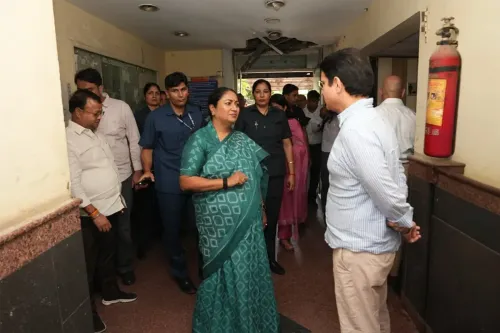
The Chief Minister used the journey to take stock of development works along the corridor, assessing cleanliness arrangements, ongoing construction, and the state of public amenities in the northwest Delhi residential zone. Cabinet colleague Ravindra Indraj Singh accompanied her through the inspection.
Sharp instructions to officials on timelines and quality
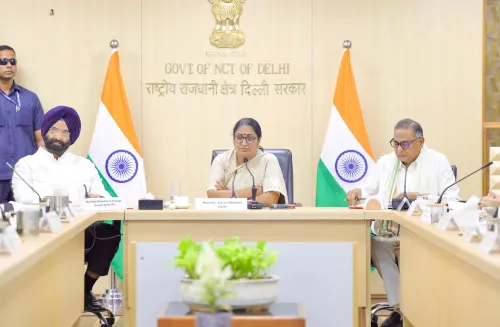
Gupta did not return empty-handed. She issued direct orders to officials: all pending works must be completed on schedule and to quality standards, sanitation systems must be kept fully functional, and every department must operate in tighter coordination. The message was unambiguous — delivery, not process.
The use of a DTC bus was deliberate. By travelling on the same route ordinary Delhiites use daily, the Chief Minister was able to observe service delivery conditions firsthand — the kind of ground truth that official briefings rarely capture.
Rohini under the governance lens
Rohini, one of Delhi's largest planned residential districts, has long been a test case for civic administration — dense population, high demand for sanitation, and multiple ongoing infrastructure works running simultaneously. Periodic on-ground reviews of this kind have been a recurring feature of Delhi governance across administrations, but the choice of public transport as the inspection vehicle adds a visible accountability dimension.
Delhi's urban governance has consistently grappled with inter-departmental coordination gaps — a problem Gupta's instruction to 'work in better coordination' directly targets. Whether follow-up enforcement matches the intent of Tuesday's directives will be the real measure.
Point of View
A city the party recaptured after a long gap. The Rohini corridor, a densely populated residential belt, is a high-visibility test bed: if works here improve, the political dividend is tangible. The follow-through on Tuesday's instructions — not the bus ride itself — will define whether this is governance or optics.
NationPress
27 Oct 2026
Frequently Asked Questions
Why did Delhi CM Rekha Gupta travel by DTC bus to Rohini?
She used the DTC bus route from CM Jan Seva Sadan to Rohini to conduct a firsthand inspection of civic works, sanitation, and construction progress along the corridor, allowing her to assess ground conditions directly.
What instructions did Rekha Gupta give to officials after the inspection?
She directed officials to complete all works on time and to quality standards, ensure sanitation systems remain fully functional, and improve coordination between departments.
Who accompanied Rekha Gupta during the Rohini inspection?
Cabinet colleague Ravindra Indraj Singh accompanied the Chief Minister during the bus journey and inspection.
What is the CM Jan Seva Sadan in Delhi?
CM Jan Seva Sadan is the official public outreach office of the Delhi Chief Minister, used as the starting point of Gupta's DTC bus inspection on 28 July 2026.
What areas did Rekha Gupta review during her Rohini visit?
She reviewed the progress of development works, sanitation and cleanliness arrangements, ongoing construction, and the state of public amenities in the Rohini area of northwest Delhi.