PM Modi Virtually Dedicates Jaisalmer Railway Station to Nation
Synopsis
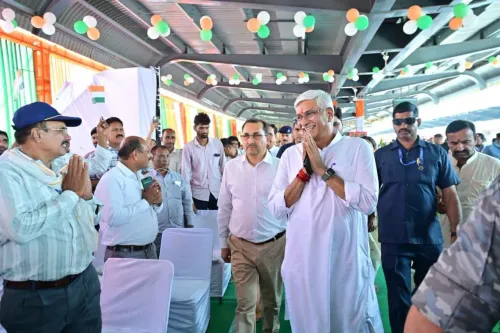
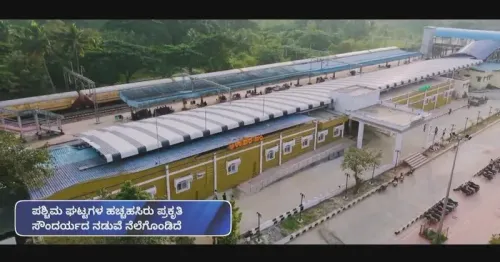
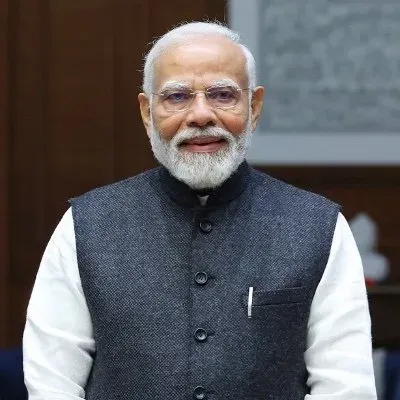
Prime Minister Narendra Modi virtually dedicated the redeveloped Jaisalmer Railway Station to the nation on 18 July 2026, with Union Culture and Tourism Minister Gajendra Singh Shekhawat highlighting a warm interaction between the PM and local citizens at the event.
Key Takeaways
PM Narendra Modi virtually dedicated Jaisalmer Railway Station to the nation on 18 July 2026 .
Union Minister Gajendra Singh Shekhawat announced the event on X, noting a dialogue between the PM and local residents and dignitaries.
The redevelopment is part of the Amrit Bharat Station Scheme , which targets modernisation of over 1,300 stations nationwide.
Jaisalmer is a key heritage tourism hub in western Rajasthan , and the station upgrade supports both tourist connectivity and strategic border-area infrastructure.
Virtual inaugurations have become a recurring tool for the PM to commission multiple projects across states simultaneously.
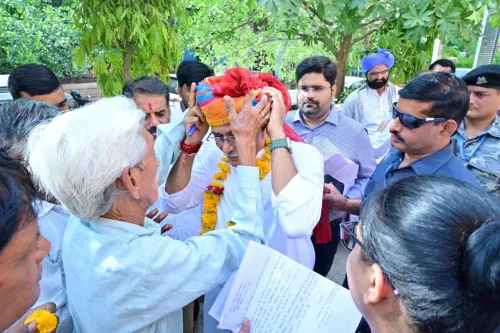
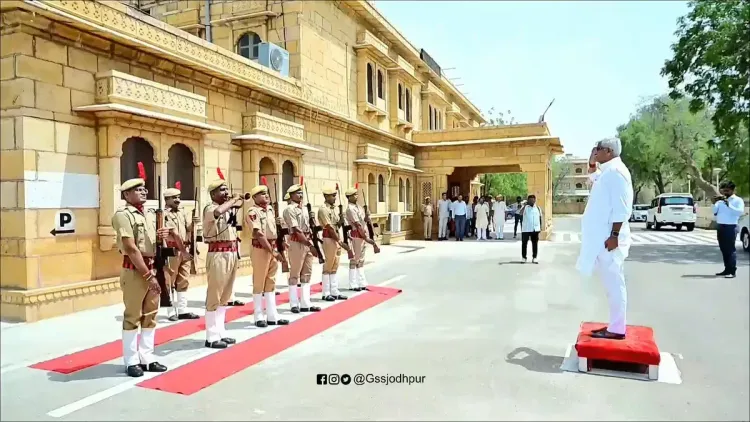
Union Culture and Tourism Minister Gajendra Singh Shekhawat announced on Saturday, 18 July 2026 that Prime Minister Narendra Modi virtually dedicated the redeveloped Jaisalmer Railway Station to the nation, with the occasion also featuring a warm interaction between the Prime Minister and local residents and dignitaries.
Context
Shekhawat, who represents Jodhpur in the Lok Sabha, shared the update on X, writing: 'Yashasvi Pradhanmantri aaradaniya Shri Narendra Modi ji ne virtual madhyam se Jaisalmer Railway Station rashtra ko samarpit kiya' — 'The distinguished Prime Minister Narendra Modi ji dedicated Jaisalmer Railway Station to the nation through virtual mode.' He added that a warm dialogue also took place with prominent citizens and residents of the region.
Jaisalmer, located in the heart of the Thar Desert in western Rajasthan, is one of India's most visited heritage tourism destinations, anchored by its UNESCO-recognised fort and proximity to the international border with Pakistan. The railway station serves as a critical entry point for tourists and residents alike.
Policy Backdrop
The redevelopment of Jaisalmer Railway Station is part of the central government's Amrit Bharat Station Scheme, announced in 2023, which targets the modernisation of over 1,300 railway stations across India with upgraded passenger amenities and heritage-sensitive design elements.
Indian Railways has been executing this programme progressively, with stations in tourism-heavy and border-adjacent districts receiving priority attention. The Prime Minister has repeatedly used virtual inauguration events to commission multiple infrastructure projects across states on a single day, a practice that has become a hallmark of the current administration's delivery model.
Stakeholders and Impact
The upgraded station is expected to benefit Jaisalmer's large tourist inflow, local residents, and rail passengers travelling to and from the western Rajasthan region. For Shekhawat, who holds the Culture and Tourism portfolio, the development directly aligns with his ministerial mandate to improve heritage-linked connectivity infrastructure.
Rajasthan's western corridor holds strategic importance beyond tourism — rail links here support logistics and movement in districts that border Pakistan, making such upgrades significant from both an economic and a national-security connectivity standpoint.
What's Next
Attention will now turn to the rollout of remaining Amrit Bharat Station Scheme projects across Rajasthan and whether the upgraded Jaisalmer station translates into measurable improvements in tourist arrivals and passenger volumes. The virtual dedication model also signals that more such multi-project commissioning events may follow as the scheme's timelines advance.
Point of View
Where high-visibility inaugurations in tourism and border districts serve a dual purpose: signalling development delivery and reinforcing regional political goodwill. For Shekhawat, amplifying the event from his home state underscores the convergence of his Tourism portfolio with tangible connectivity gains in Rajasthan. The Amrit Bharat Station Scheme, now visibly yielding inaugurations, is becoming a key plank of the BJP's infrastructure narrative ahead of any future electoral cycle. The emphasis on the PM's 'warm dialogue' with residents also reflects a deliberate effort to humanise large infrastructure rollouts.
NationPress
18 Jul 2026
Frequently Asked Questions
Which railway station did PM Modi inaugurate on 18 July 2026?
PM Narendra Modi virtually dedicated the redeveloped Jaisalmer Railway Station in Rajasthan to the nation on 18 July 2026 .
What is the Amrit Bharat Station Scheme?
The Amrit Bharat Station Scheme , announced in 2023 , is a central government programme to modernise over 1,300 railway stations across India with upgraded passenger facilities and heritage-sensitive design.
Who is Gajendra Singh Shekhawat?
Gajendra Singh Shekhawat is the Union Minister of Culture and Tourism and a BJP Lok Sabha MP from Jodhpur , Rajasthan.
Why is Jaisalmer Railway Station important?
Jaisalmer Railway Station is a critical connectivity point for one of India's top heritage tourism destinations and also serves districts in western Rajasthan that border Pakistan.
How did PM Modi inaugurate the Jaisalmer station?
PM Modi dedicated the station virtually , a mode he has used frequently to commission multiple infrastructure projects across states on a single day.