PM Modi Visits School in Pahadpur, Highlights President's Role in Rural Education
Synopsis
Prime Minister Narendra Modi visited a school in Pahadpur village on 20 June 2026 and credited President Droupadi Murmu for spearheading improvements in educational infrastructure and youth opportunities in the area, underscoring a national focus on closing the urban-rural education gap.
Key Takeaways
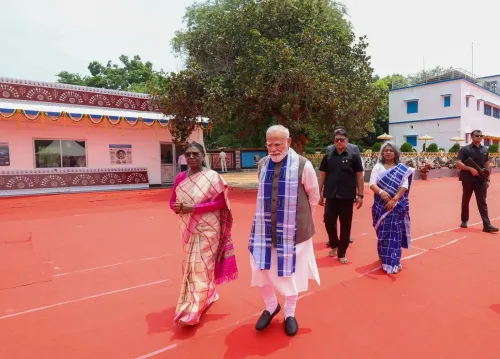
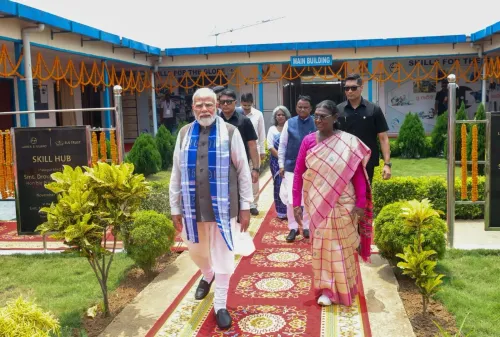
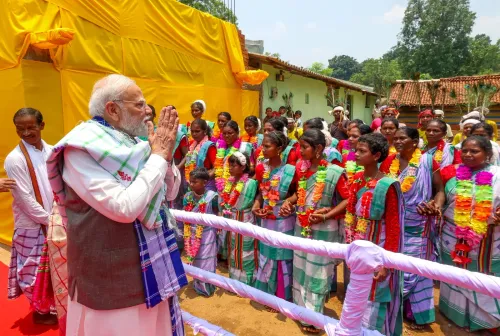
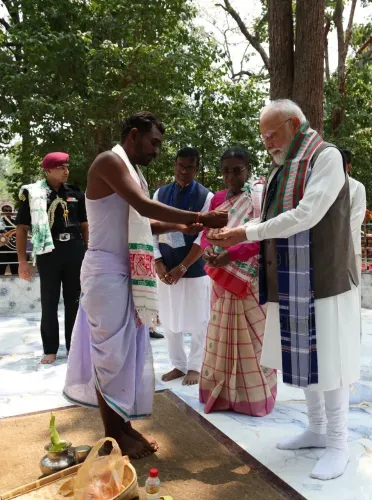
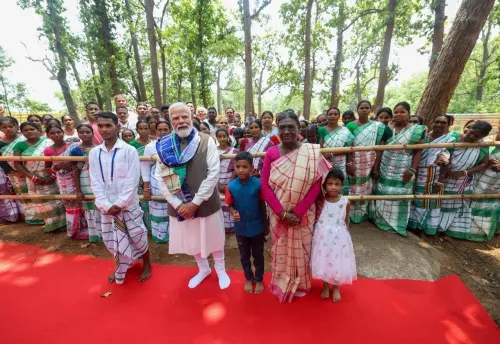
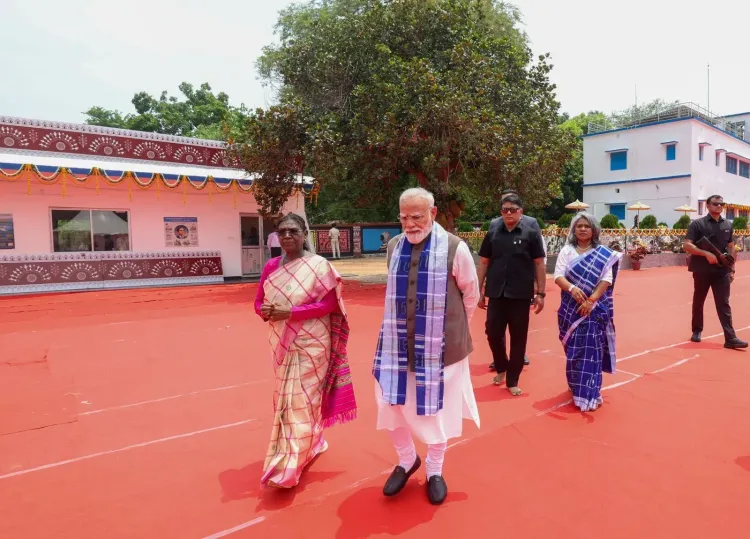
PM Narendra Modi visited a school in Pahadpur village on 20 June 2026 and shared four photographs from the visit.
Modi credited President Droupadi Murmu — referred to as Rashtrapati Ji — for leading efforts to improve educational infrastructure for local youth.
President Murmu , in office since July 2022 , is India's first President from a tribal community and has been a vocal advocate for rural and tribal education.
The visit aligns with the National Education Policy 2020 and Samagra Shiksha Abhiyan , the central government's primary scheme for school infrastructure upgrades.
Presidential and prime ministerial visits to village schools are a recurring feature of India's current rural education push, intended to encourage state-level execution of central programmes.
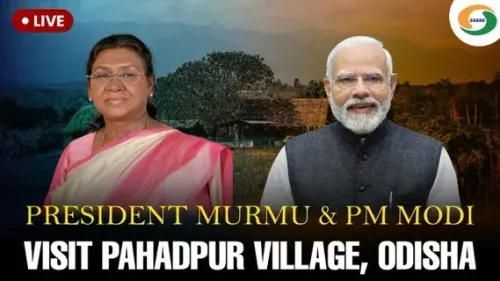
Prime Minister Narendra Modi on Saturday, 20 June 2026, visited a school in Pahadpur village, praising the role of President Droupadi Murmu in improving educational infrastructure and creating opportunities for local youth in the area.
Context
Sharing his impressions from the visit, PM Modi wrote: 'Was delighted to visit a school in Pahadpur village. Here too, Rashtrapati Ji has been at the forefront of improving educational infrastructure and ensuring opportunities for the local youth.' The post was accompanied by four photographs from the school, offering a ground-level glimpse of the facilities.
The reference to Rashtrapati Ji (the President) signals a deliberate acknowledgement of President Murmu's personal advocacy for rural and tribal education — a cause she has championed since assuming office in July 2022 as India's first President from a tribal community.
Policy Backdrop
The visit sits within a broader national push to close the urban-rural gap in school quality. The National Education Policy (NEP) 2020 set out sweeping reforms to upgrade school infrastructure, revise curricula, and widen access — particularly for children in underserved villages.
Samagra Shiksha Abhiyan, consolidated in 2018-19, remains the principal central scheme channelling funds to states for classroom construction, sanitation, digital equipment, and teacher training. Pahadpur's school is among thousands of institutions that have received attention under such programmes.
Presidential and prime ministerial visits to village schools have become a recurring feature of this policy era, serving to spotlight centrally-supported projects and encourage state governments to accelerate implementation.
Stakeholders and Impact
The most direct beneficiaries are the rural students and local youth of Pahadpur village, whose access to quality schooling shapes long-term economic mobility. Improved infrastructure — from functional classrooms to libraries and digital tools — is widely linked to better enrolment and retention rates, especially among girls.
President Murmu's visible involvement adds symbolic weight: as a leader who grew up in a tribal village herself, her association with such projects carries particular resonance for communities historically underserved by state institutions. Her office, Rashtrapati Bhavan, has consistently supported youth development and educational access initiatives alongside executive programmes.
What's Next
Attention will now turn to the allocation of school infrastructure grants under Samagra Shiksha Abhiyan in the forthcoming Union Budget, as well as state-level reviews of NEP 2020 implementation timelines. Whether the Pahadpur visit translates into a broader policy announcement or a dedicated scheme review remains to be seen.
The spotlight on village-level educational infrastructure — amplified by visits from both the Prime Minister and the President — is likely to keep rural school development high on the political and administrative agenda in the months ahead.
Point of View
Particularly ahead of electoral cycles. The Pahadpur visit also reinforces the government's sustained messaging that rural school infrastructure is a visible, tangible deliverable of its education agenda. Whether the spotlight translates into measurable policy acceleration — faster NEP rollout, larger Samagra Shiksha grants — will be the real test of intent.
NationPress
19 Sept 2026
Frequently Asked Questions
Why did PM Modi visit a school in Pahadpur village?
PM Modi visited the school in Pahadpur village to highlight improvements in educational infrastructure and to credit President Droupadi Murmu for her role in advancing opportunities for local youth in the area.
What is President Droupadi Murmu's role in rural education?
President Droupadi Murmu, India's first President from a tribal community, has been a prominent advocate for educational access and infrastructure improvements in rural and tribal regions since taking office in July 2022.
What is Samagra Shiksha Abhiyan?
Samagra Shiksha Abhiyan, launched in 2018-19, is the central government's flagship scheme that consolidates funding for school infrastructure, classroom construction, digital equipment, and teacher training across India.
What does the National Education Policy 2020 say about rural schools?
The National Education Policy 2020 calls for sweeping upgrades to school infrastructure, curriculum reform, and wider access to quality education, with a particular focus on underserved rural and tribal communities.
Where is Pahadpur village located?
The exact district or state location of Pahadpur village as referenced in PM Modi's 20 June 2026 post has not been specified in available public records; the visit details are drawn from the Prime Minister's own post on X.