PM Modi Visits Tribal Sacred Groves in Pahadpur with President
Synopsis
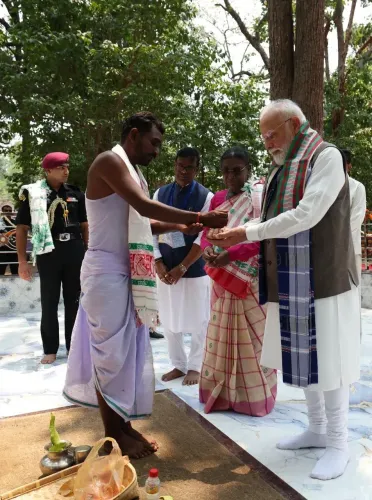
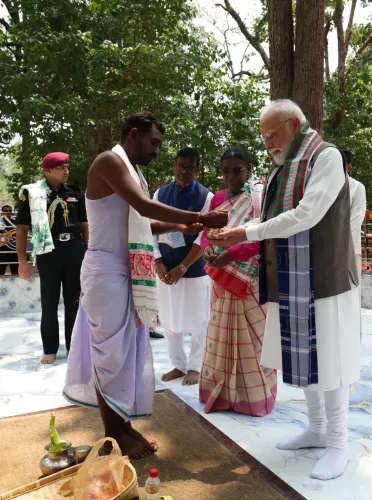
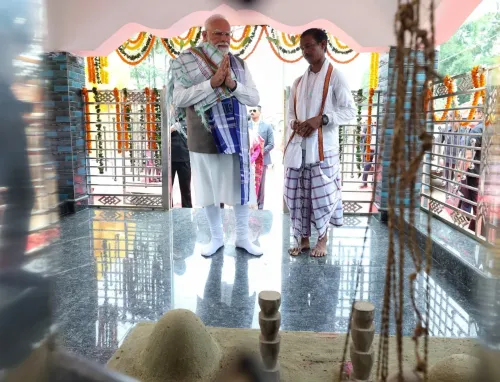
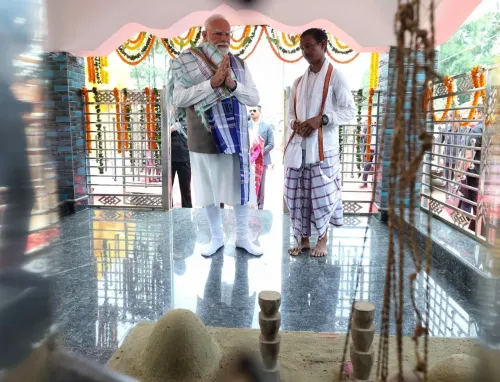
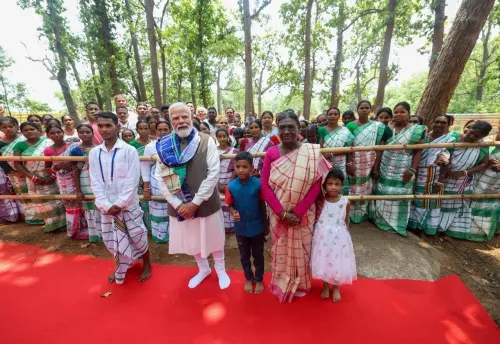
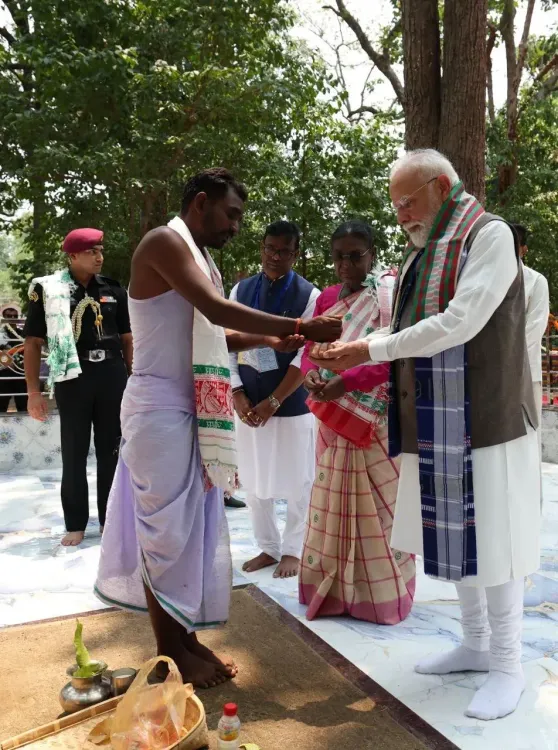
Prime Minister Narendra Modi and President Droupadi Murmu visited Santhali Jahera and Ho Jahera sacred groves in Pahadpur village on June 20, 2026, paying respects at sites central to the spiritual and cultural traditions of India's Santhal and Ho tribal communities.
Key Takeaways
PM Narendra Modi and President Droupadi Murmu jointly visited Santhali Jahera and Ho Jahera in Pahadpur village on June 20, 2026 .
Jaheras are sacred groves central to the spiritual traditions of the Santhal and Ho tribal communities of eastern India.
President Murmu is herself from the Santhal community, making her presence at the sacred groves particularly significant.
The Forest Rights Act, 2006 legally recognised community rights over traditional forest areas including sacred groves.
The Ministry of Tribal Affairs , established in 1999 , is the nodal body for safeguarding tribal customs and sacred sites.
PM Modi reaffirmed the government's commitment to 'preserving and promoting these timeless traditions for future generations.'
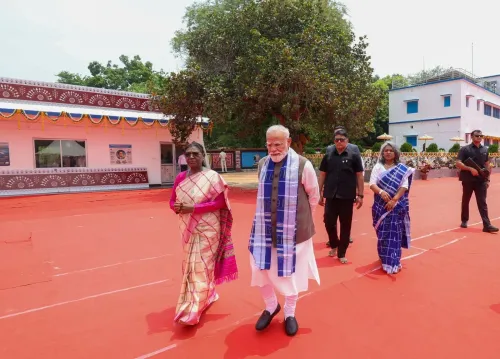
Prime Minister Narendra Modi, accompanied by President Droupadi Murmu, visited Santhali Jahera and Ho Jahera in Pahadpur village on Saturday, June 20, 2026, paying respects at sacred groves that hold deep spiritual significance for India's tribal communities.
Context
The Prime Minister posted on X that he 'paid respects at these sacred groves that embody the deep spiritual traditions and harmonious relationship with nature cherished by our tribal communities.' The visit to Pahadpur village brought together the country's two highest constitutional offices in a direct act of acknowledgement of indigenous spiritual heritage.
Santhali Jahera is a sacred grove revered by the Santhal tribal community, while Ho Jahera is associated with the Ho tribal community — both practising ancient traditions of nature worship and ancestral reverence rooted in eastern India. President Murmu, herself from the Santhal community and India's first woman President from a tribal background, lent particular significance to the occasion.
Policy Backdrop
The visit sits within a broader legislative and institutional framework built to protect tribal heritage. The Forest Rights Act, 2006 formally recognised community rights over traditional forest areas, including sacred groves, giving legal standing to sites such as Jaheras. The Ministry of Tribal Affairs, established in 1999, has since worked to safeguard tribal customs, languages, and sacred sites across the country.
The Modi government has consistently framed indigenous customs as integral to national culture, with high-level visits and public messaging emphasising 'development with dignity' for Scheduled Tribe areas. This visit continues a pattern of presidential and prime ministerial engagement in the tribal belts of eastern India to signal institutional respect for nature-linked spiritual traditions.
Stakeholders and Impact
The Santhal and Ho communities are among the most prominent tribal groups in eastern India, with centuries-old traditions tied to forest ecosystems and seasonal rituals. Sacred groves — known as Jaheras — function as sites of collective worship, ecological conservation, and community identity, making their recognition by the state symbolically significant.
For tribal welfare advocates, a joint visit by the Prime Minister and President to such sites signals that the protection of indigenous spiritual spaces remains on the national agenda. It also draws attention to the role these communities play as custodians of biodiversity and living cultural heritage.
What's Next
The visit may precede updated policy guidelines for the protection of sacred groves under tribal welfare programmes. Observers will watch for any announcements linking this engagement to schemes under the Ministry of Tribal Affairs or to upcoming regional festivals such as Sarhul, which celebrate the bond between tribal communities and nature. PM Modi stated the government 'remains committed to preserving and promoting these timeless traditions for future generations,' signalling continued institutional attention to tribal cultural heritage.
Point of View
Her presence alongside PM Modi at a Santhali Jahera carries a layered symbolism that resonates deeply within tribal communities. This fits a consistent pattern in the Modi government's outreach to Scheduled Tribe constituencies, blending cultural affirmation with the policy architecture of the Forest Rights Act and tribal welfare programmes. The visit sets the stage for potential policy follow-through, particularly on sacred grove protection guidelines and broader tribal development messaging ahead of regional festivals.
NationPress
19 Sept 2026
Frequently Asked Questions
What is a Jahera in tribal culture?
A Jahera is a sacred grove revered by tribal communities such as the Santhal and Ho as a site of collective worship, nature reverence, and ancestral spiritual practices. These groves are treated as inviolable spaces and serve as centres of community identity and ecological conservation.
Why did PM Modi visit Pahadpur village?
PM Modi visited Pahadpur village on June 20, 2026, along with President Droupadi Murmu to pay respects at Santhali Jahera and Ho Jahera, sacred groves that are central to the spiritual traditions of tribal communities in eastern India.
Who is President Droupadi Murmu and why is her presence significant?
Droupadi Murmu is India's President since 2022 and the country's first woman President from a tribal, specifically Santhal, community. Her visit to a Santhali Jahera carries deep personal and symbolic significance for tribal communities across India.
What laws protect sacred groves in India?
The Forest Rights Act of 2006 recognises community rights over traditional forest areas, including sacred groves, giving legal standing to sites such as Jaheras. The Ministry of Tribal Affairs also works to safeguard such sites under tribal welfare programmes.
What is the significance of the Modi government's engagement with tribal heritage?
The Modi government has consistently highlighted India's tribal heritage through high-level visits and policy messaging, framing indigenous customs as integral to national culture. Such engagements signal institutional respect for tribal communities and often accompany welfare and development initiatives in Scheduled Tribe areas.