PM Modi Visits Skilling Centre in Pahadpur, Lauds Presidential Focus on Rural Youth
Synopsis
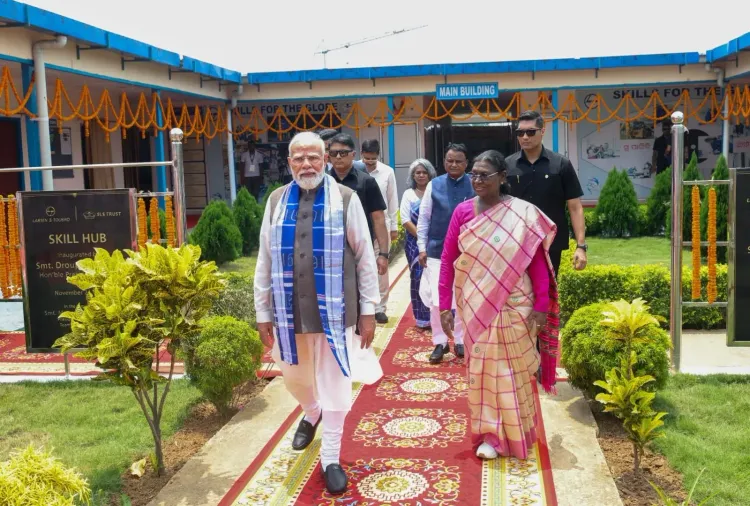
Prime Minister Narendra Modi visited a skilling centre in Pahadpur village on June 20, 2026, commending President Droupadi Murmu's focus on rural skill development. The visit highlights the convergence of presidential and executive priorities on equipping rural youth for self-reliance under the Skill India Mission.
Key Takeaways
PM Modi visited a skilling centre in Pahadpur village on June 20, 2026 , and shared his observations on social media.
He praised President Droupadi Murmu for focusing on skilling in her village and accelerating its development journey.
President Murmu , in office since July 2022 , is India's first tribal woman President with a sustained focus on rural and tribal welfare.
The visit connects to the Skill India Mission (launched 2015 ), which targets vocational training for millions of rural and urban youth.
Village-level skilling centres are a key tool under the Atmanirbhar Bharat framework to reduce rural-urban migration and boost local employment.
The Pahadpur centre may serve as a replicable model for other states looking to embed skilling infrastructure in rural communities.
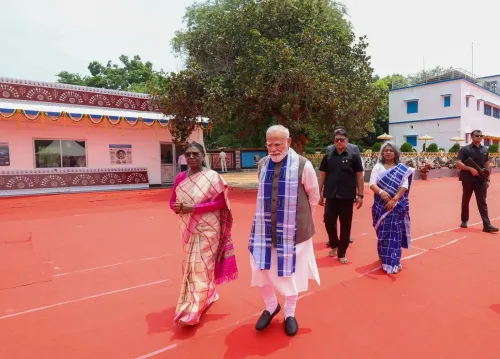
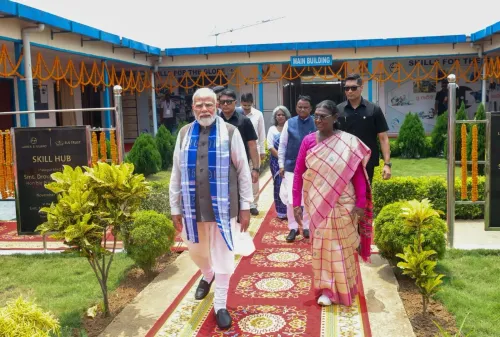
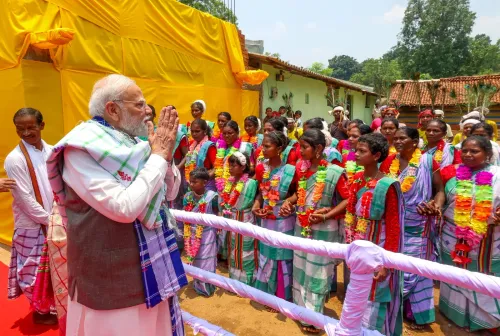
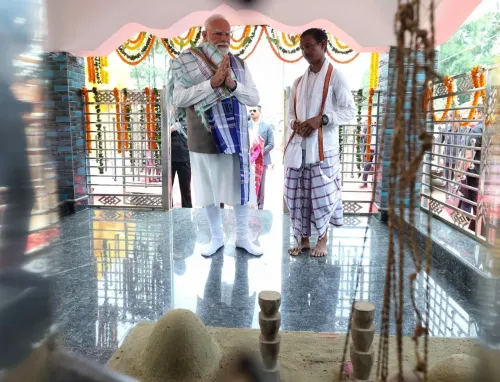
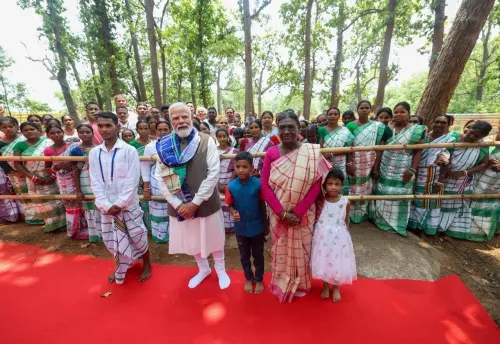
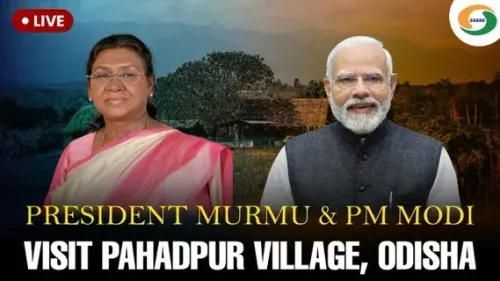
Prime Minister Narendra Modi on Saturday, June 20, 2026, visited a skilling centre in Pahadpur village, praising the President of India's focus on vocational training and rural development in the area. The Prime Minister highlighted the role of such centres in equipping youth with skills that foster self-reliance and open new avenues of employment.
Context
Sharing his visit on social media, PM Modi noted that it was 'noteworthy how Rashtrapati Ji has focused on this sector and added momentum to her village's development journey.' The reference to 'Rashtrapati Ji' and 'her village' points to President Droupadi Murmu, who has been actively engaged with grassroots development initiatives since assuming office in July 2022 as India's first tribal woman President.
The Prime Minister added that it was 'heartening to see our youth being equipped with skills that open new avenues of opportunity and self-reliance,' underlining the government's broader emphasis on bridging the urban-rural employment divide through targeted skilling infrastructure.
Policy Backdrop
The visit aligns with the Skill India Mission, launched in 2015, which aims to provide vocational training to millions of young Indians and improve their employability across sectors. The mission has progressively expanded its footprint into rural areas, establishing training centres in villages to reduce dependence on urban job markets.
The broader Atmanirbhar Bharat framework has reinforced this push, linking vocational skilling with self-sufficiency at the individual and community level. Skilling centres in villages are seen as a key instrument for reducing rural-to-urban migration driven by lack of local livelihood opportunities.
Stakeholders and Impact
The primary beneficiaries of village-level skilling centres are rural youth, particularly those from tribal and agrarian communities who may lack access to formal higher education or urban job networks. Presidential engagement with such local projects lends constitutional weight to executive-level schemes and can accelerate state-level adoption of similar models.
President Murmu's personal connection to rural and tribal welfare — rooted in her own background — has made her an influential advocate for grassroots development. Her village's skilling centre becoming a site of Prime Ministerial attention signals a convergence of constitutional and executive priorities on rural empowerment.
What's Next
Attention will now turn to the rollout of new training batches at the Pahadpur centre and whether the model gains traction as a replicable template for other villages across states. Policymakers and state governments may look to scale similar presidential-endorsed skilling initiatives as part of broader rural development agendas.
The visit could also prompt a review of placement outcomes and industry linkages for graduates of village skilling centres, a metric that determines the long-term effectiveness of such infrastructure investments.
Point of View
The Prime Minister reinforces a narrative of institutional unity around the Atmanirbhar Bharat and Skill India agendas. The visit also signals that village-level skilling infrastructure — long a policy priority on paper — is being elevated to a showcase model with top-level political visibility. This convergence of presidential symbolism and executive policy could accelerate state-level adoption of similar rural skilling models ahead of any upcoming electoral cycles.
NationPress
19 Sept 2026
Frequently Asked Questions
Why did PM Modi visit Pahadpur village?
PM Modi visited a skilling centre in Pahadpur village on June 20, 2026, to observe vocational training facilities there and acknowledge President Droupadi Murmu's role in driving the village's development.
What is the Skill India Mission?
The Skill India Mission was launched in 2015 to provide vocational training and improve employability for millions of Indian youth, with a particular focus on expanding training infrastructure into rural areas.
What is the connection between President Murmu and Pahadpur village?
PM Modi's post referred to Pahadpur as 'her village,' indicating it is associated with President Droupadi Murmu, who has been known for her focus on rural and tribal welfare since taking office in July 2022.
What does Atmanirbhar Bharat mean for rural skilling?
Atmanirbhar Bharat, meaning 'self-reliant India,' frames rural skilling as a way to equip youth with local livelihood skills, reducing dependence on urban job markets and supporting community-level economic independence.
How do village skilling centres help rural youth?
Village skilling centres provide vocational training close to home, reducing barriers of cost and distance, and equipping rural youth with market-relevant skills that open employment and entrepreneurship opportunities without requiring migration to cities.