PM Modi Watches Bharatanatyam Performance in Jakarta
Synopsis
Prime Minister Narendra Modi on July 6, 2026, praised a Bharatanatyam performance by the Samanvaya Group in Jakarta, reflecting India's sustained cultural diplomacy in Southeast Asia under the Act East Policy and centuries-old civilisational ties with Indonesia.
Key Takeaways
Prime Minister Narendra Modi attended a Bharatanatyam performance by the Samanvaya Group in Jakarta on July 6, 2026 .
Modi described the performance as 'graceful' and praised the group's 'dedication and excellence' in preserving classical traditions abroad.
Bharatanatyam is one of India's eight classical dance forms, originating in Tamil Nadu , and is widely used as a tool of cultural diplomacy.
The event aligns with India's Act East Policy (launched 2014 ), which emphasises cultural and people-to-people ties with ASEAN nations.
The Indian Council for Cultural Relations has sponsored classical Indian performances in Indonesia since the 1990s .
India and Indonesia share deep civilisational links through centuries of trade and the spread of Hinduism and Buddhism across the archipelago.
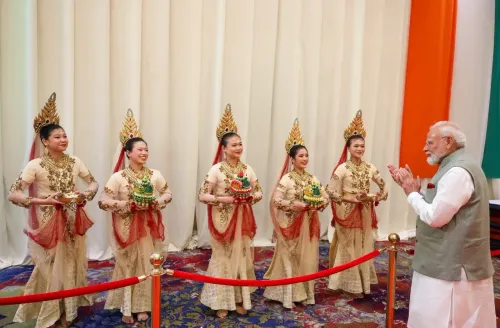
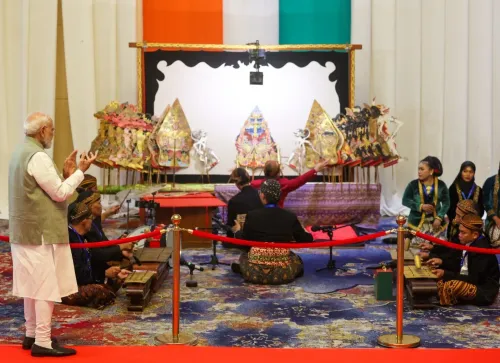
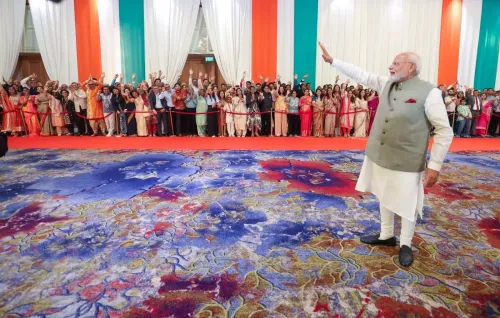
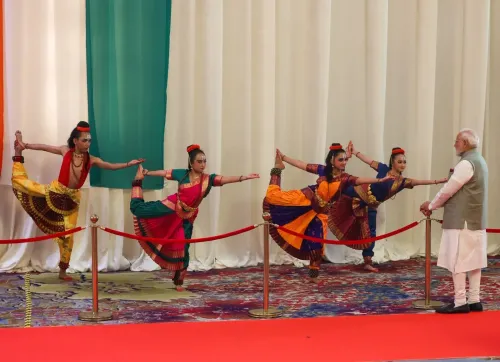
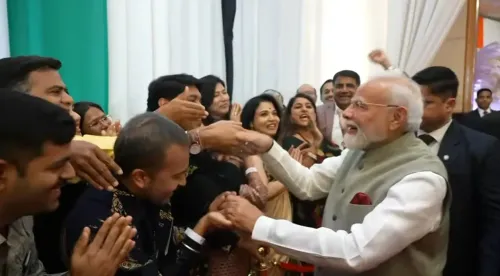
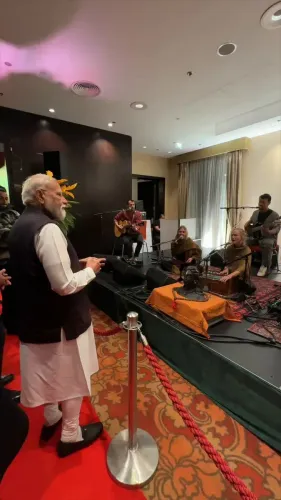
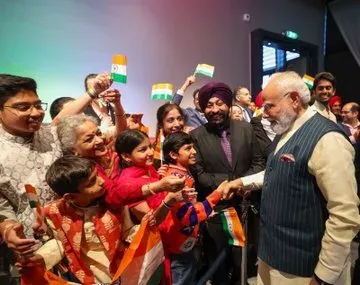
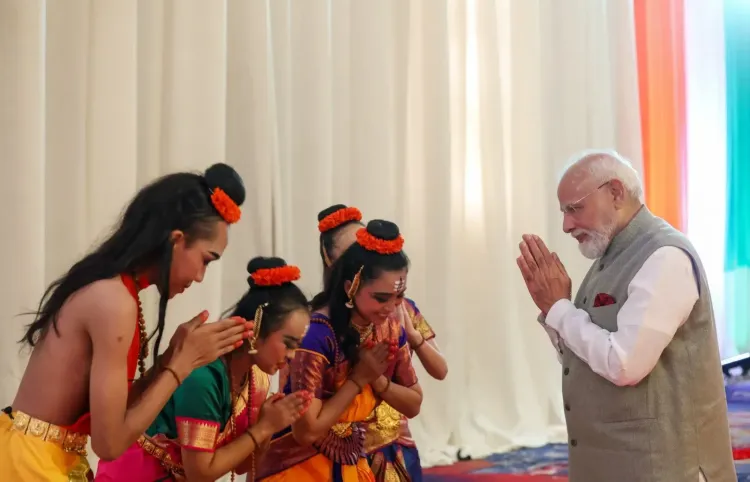
Prime Minister Narendra Modi on Monday, July 6, 2026, expressed delight at witnessing a Bharatanatyam performance by the Samanvaya Group in Jakarta, calling the display of the classical Indian dance form a testament to the dedication with which cherished traditions are being preserved and presented abroad.
Context
Posting on X, Prime Minister Modi wrote: 'In Jakarta, I was delighted to witness a graceful Bharatanatyam performance by the Samanvaya Group. It is gladdening to see these cherished traditions being preserved and presented with such dedication and excellence.' The remarks came during his presence in Indonesia's capital, underscoring the cultural dimension of the visit.
Bharatanatyam, one of India's eight classical dance forms and rooted in the traditions of Tamil Nadu, has long served as a vehicle for cultural outreach across Southeast Asia. Its presence in Jakarta reflects the deep historical ties between India and Indonesia — ties forged over centuries through trade, Hinduism, and Buddhism.
Policy Backdrop
The performance fits squarely within India's Act East Policy, launched in 2014, which expanded engagement with ASEAN nations to encompass cultural and people-to-people exchanges alongside strategic and economic ties. Classical arts performances have been a consistent instrument of this outreach, with the Indian Council for Cultural Relations sponsoring Bharatanatyam and other classical programmes in Indonesia since the 1990s.
Such events are designed to build goodwill beyond formal government-to-government channels, reinforcing India's soft power in a region that shares significant civilisational heritage. Indonesia — home to the world's largest Muslim population yet deeply connected to Hindu and Buddhist traditions through monuments such as Prambanan and Borobudur — represents a particularly resonant audience for this kind of cultural diplomacy.
Stakeholders and Impact
For India's classical dance community, Prime Ministerial recognition at an international venue carries symbolic weight, drawing attention to the practitioners and institutions that sustain these art forms overseas. The Indian diaspora in Indonesia, as well as local audiences with an affinity for Indian heritage, stand to benefit from the visibility such high-profile moments generate.
Cultural groups like the Samanvaya Group — whose name in Sanskrit broadly means 'harmony' or 'coordination' — often operate with limited resources, and endorsements of this nature can translate into greater institutional support and opportunities for international performance.
What's Next
Attention will now turn to whether the Jakarta visit produces formal bilateral cultural exchange agreements or feeds into a broader ASEAN-India cultural festival framework. India has been deepening its cultural and strategic footprint across Southeast Asia, and moments like this typically precede or accompany structured diplomatic outcomes. The trajectory of India's classical arts diplomacy in the region will be worth watching in the months ahead.
Point of View
Not incidental commentary — it reinforces India's strategy of deploying classical arts as soft-power currency in Southeast Asia. The choice of Indonesia, a nation with profound Hindu-Buddhist heritage beneath its Muslim-majority identity, makes the gesture particularly calculated. This pattern has been consistent since 2014: cultural moments are woven into diplomatic visits to humanise state-level engagement and build durable goodwill. As India competes for influence in the Indo-Pacific, such cultural affirmations serve a long-term strategic purpose that outlasts any single bilateral agreement.
NationPress
6 Jul 2026
Frequently Asked Questions
Why did PM Modi visit Jakarta in July 2026?
The specific purpose of Prime Minister Modi's July 2026 Jakarta visit has not been detailed in verified public statements, but the trip included attending a Bharatanatyam performance by the Samanvaya Group as part of India's cultural engagement with Indonesia.
What is Bharatanatyam and why is it performed abroad?
Bharatanatyam is one of India's eight classical dance forms, originating in Tamil Nadu. It is regularly performed abroad as part of India's cultural diplomacy, particularly in countries with historical ties to Indian civilisation, under initiatives supported by the Indian Council for Cultural Relations.
What is India's Act East Policy?
India's Act East Policy, launched in 2014, deepened engagement with ASEAN nations across strategic, economic, and cultural dimensions. Cultural exchanges, including classical arts performances, are a key pillar of this policy.
What are India's historical ties with Indonesia?
India and Indonesia share centuries-old civilisational links through maritime trade and the spread of Hinduism and Buddhism. Indonesian monuments such as Prambanan and Borobudur reflect this shared heritage, making Indonesia a natural partner for India's cultural diplomacy.
Who is the Samanvaya Group?
The Samanvaya Group is the classical dance ensemble that performed Bharatanatyam for Prime Minister Modi in Jakarta on July 6, 2026. The name 'Samanvaya' is a Sanskrit word broadly meaning harmony or coordination.