PM Modi Welcomes Cyprus President Christodoulides Visit to India
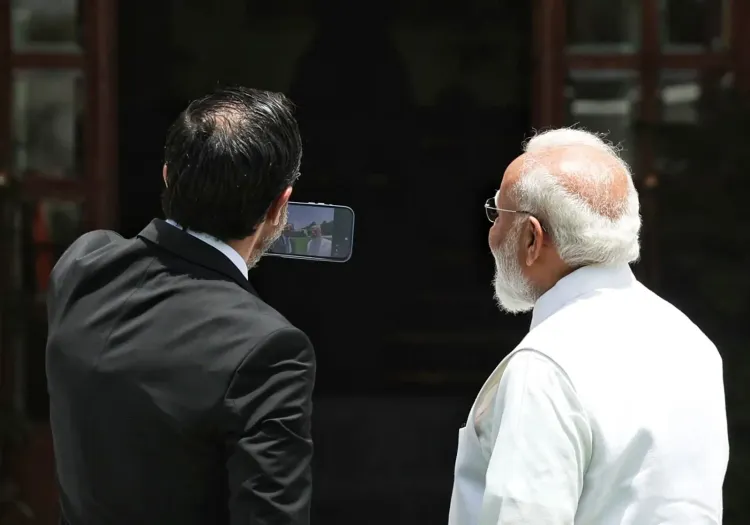
Synopsis
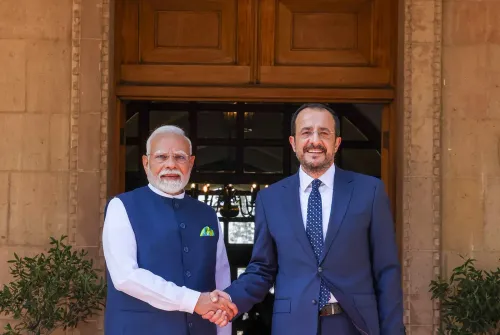
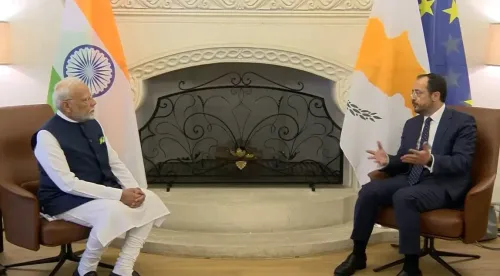
Prime Minister Narendra Modi on 22 May 2026 welcomed Cypriot President Nikos Christodoulides to India, calling the visit a step toward mutual benefit for both nations and a more prosperous, sustainable planet. The visit deepens a diplomatic relationship dating back to 1962.
Key Takeaways
Prime Minister Narendra Modi publicly welcomed President Nikos Christodoulides of Cyprus to India on 22 May 2026 .
India and Cyprus have maintained diplomatic relations since 1962 , one of India's oldest partnerships in the Eastern Mediterranean.
Modi's statement highlighted benefits for the people of both countries and a commitment to a 'prosperous and sustainable planet.' Cyprus is an EU member state and a potential gateway for India-EU trade and investment dialogue.
Both nations have previously aligned on counter-terrorism, maritime security, and UN Security Council reform.
Possible outcomes include MoUs on renewable energy , digital cooperation , and joint statements on multilateral governance.
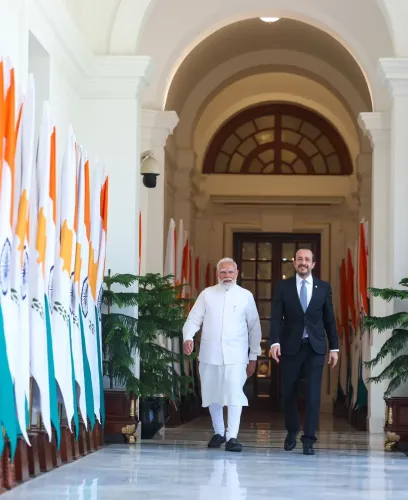
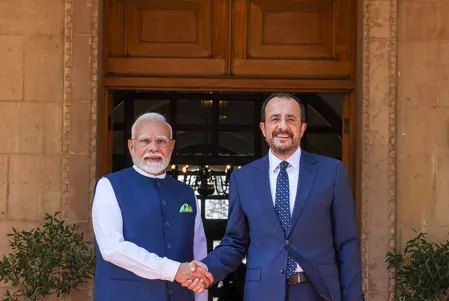
Prime Minister Narendra Modi on Friday, 22 May 2026 welcomed the state visit of Cypriot President Nikos Christodoulides to India, saying the visit would greatly benefit the people of both nations and contribute to a 'prosperous and sustainable planet.'
Context
In his post on X, Prime Minister Modi addressed President Christodoulides directly, stating: 'The visit of President Nikos Christodoulides to India will greatly benefit the people of India and Cyprus. At the same time, it will contribute to a prosperous and sustainable planet as well!' The warm, forward-looking tone signals that the visit carries significance beyond routine diplomatic courtesy.
India and Cyprus have maintained diplomatic relations since 1962, making this one of India's longest-standing partnerships in the Eastern Mediterranean. President Christodoulides, who assumed office in February 2023, previously served as Foreign Minister and has been a consistent advocate for deeper EU integration and multilateral cooperation.
Policy Backdrop
The visit fits into India's broader diplomatic strategy of deepening ties with smaller European Union member states to build coalitions on global governance reforms, including UN Security Council expansion. Cyprus, as an EU member, also serves as a potential gateway for advancing India-EU trade and investment conversations.
Both countries have previously aligned on issues including counter-terrorism and maritime security. Prime Minister Modi's explicit reference to sustainability reflects India's ongoing emphasis on green technology partnerships and climate diplomacy — themes that have featured prominently in recent bilateral engagements with European partners.
Earlier high-level meetings in the 2010s had laid the groundwork for defence and economic cooperation frameworks between the two countries, providing a foundation for any new agreements during this visit.
Stakeholders and Impact
The visit is expected to be of interest to trade partners, defence officials, and diaspora communities on both sides. India's IT sector and Cyprus's role as a financial and services hub in the Mediterranean create natural areas of complementary interest.
Any memoranda of understanding on renewable energy, digital cooperation, or trade would be closely watched by business communities in both countries. A joint statement on multilateral issues — particularly UNSC reform — would carry diplomatic weight beyond the bilateral relationship.
What's Next
Observers will watch for outcomes including the signing of bilateral agreements and any joint communique addressing global governance or sustainability. The themes raised by Prime Minister Modi — people-to-people benefit and planetary sustainability — suggest the agenda will span economic, environmental, and strategic dimensions.
Follow-up engagement could materialise at the next India-EU summit or on the sidelines of UN General Assembly sessions, where both nations have historically coordinated on reform agendas. The visit marks a fresh chapter in a partnership that, while longstanding, has significant room to deepen.
Point of View
Though a small nation, punches above its weight as an EU member and Eastern Mediterranean actor, giving India a useful interlocutor in European forums. The explicit invocation of sustainability signals that New Delhi is keen to frame bilateral visits within its green diplomacy narrative, a posture that has become a standard feature of Modi-era foreign policy. This visit reinforces that India's European outreach is no longer confined to the major powers.
NationPress
19 Sept 2026
Frequently Asked Questions
Why is Cyprus President Christodoulides visiting India in 2026?
President Nikos Christodoulides is visiting India to strengthen bilateral ties between the two countries, with the visit expected to cover areas including trade, sustainability, and multilateral cooperation. Prime Minister Modi described the visit as greatly beneficial for the people of both India and Cyprus.
What is the history of India-Cyprus diplomatic relations?
India and Cyprus established diplomatic relations in 1962 , making it one of India's longest-standing partnerships in the Eastern Mediterranean. The two countries have cooperated on defence, IT, and multilateral issues including UN reforms over the decades.
What agreements could be signed during the Cyprus President's India visit?
Possible outcomes include memoranda of understanding on renewable energy, digital cooperation, and trade. A joint statement on UN Security Council expansion or other global governance issues is also anticipated.
Who is Nikos Christodoulides?
Nikos Christodoulides is the President of Cyprus, in office since February 2023. He previously served as Cyprus's Foreign Minister and has focused on EU integration and multilateral diplomacy.
How does the Cyprus visit fit into India's foreign policy?
The visit is part of India's broader strategy to deepen ties with EU member states and Mediterranean partners, building coalitions on global governance reform and economic diversification while advancing its climate and sustainability diplomacy.