PM Modi Greets Nation on Guru Purnima
Synopsis
Prime Minister Narendra Modi marked Guru Purnima by greeting all Indians, sharing a Sanskrit verse listing the six roles of a true guru, and urging citizens to make their teacher's ideals a foundation of their lives.
Key Takeaways
Prime Minister Narendra Modi extended Guru Purnima greetings to all Indians on Wednesday, 29 July .
He described the guru as a transmitter of knowledge, positive energy, right thought, and good values — not just a teacher in the academic sense.
Modi shared a Sanskrit verse enumerating six roles of a true teacher: inspirer, guide, truth-speaker, path-shower, instructor, and awakener.
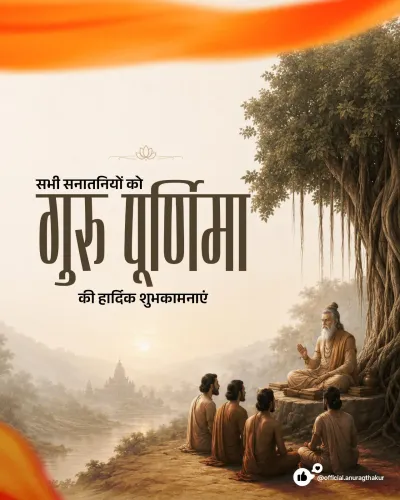
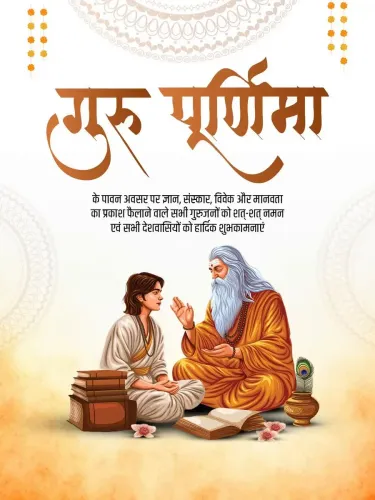
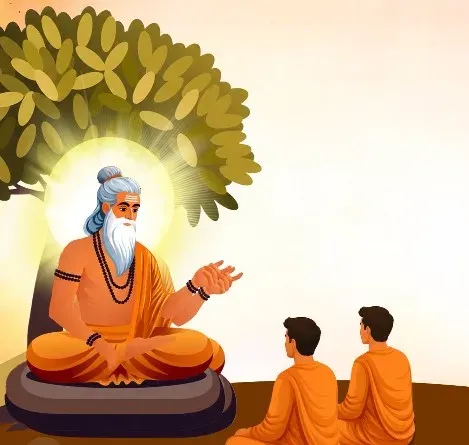
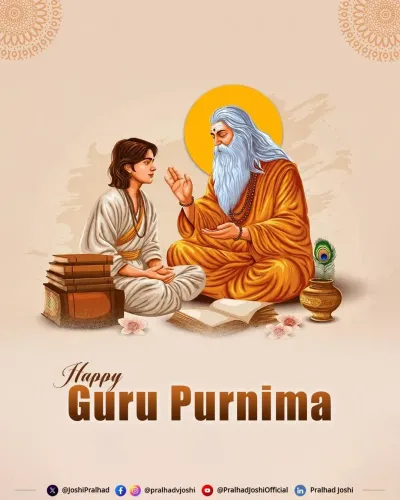
Guru Purnima falls on the full moon of the Hindu month of Ashadha and is rooted in the veneration of sage Maharishi Ved Vyas .
The message carried no policy announcement; it reflects a longstanding tradition of Indian leaders marking major cultural occasions with public outreach.
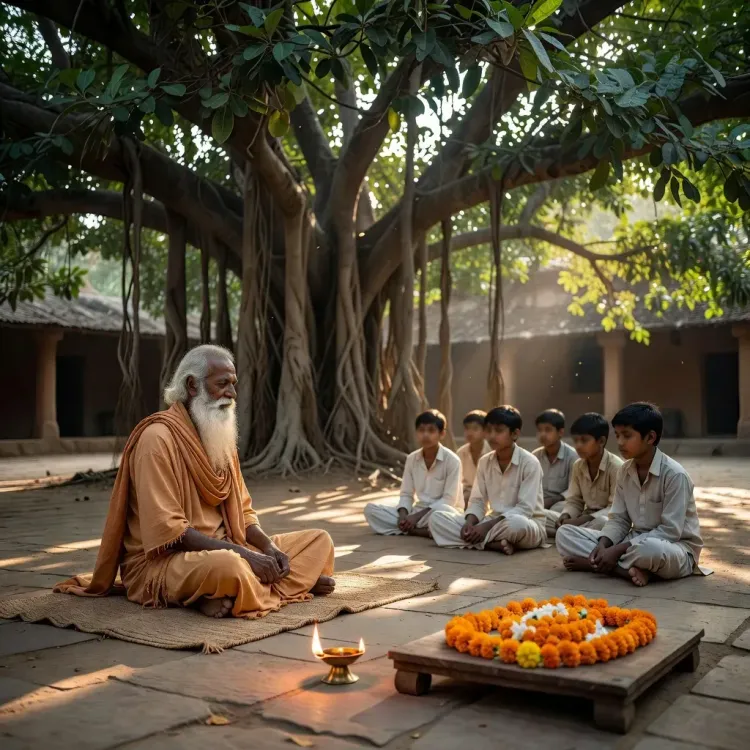
On the auspicious occasion of Guru Purnima, Prime Minister Narendra Modi extended warm greetings to every Indian, invoking the timeless bond between teacher and student that sits at the heart of the country's cultural identity.
In his post, the Prime Minister wrote — 'गुरु पूर्णिमा की सभी देशवासियों को बहुत-बहुत बधाई' — wishing all citizens a joyful Guru Purnima. He described the guru not merely as a transmitter of knowledge, but as someone who channels positive energy into disciples, shaping them through right thought and good values (suvichar aur samskaaron). He called on every Indian to make the ideals of their guru a pillar of their own life.
Modi also shared a Sanskrit verse that enumerates six roles a true teacher plays: one who inspires (prerak), one who guides (suchak), one who speaks truth (vachak), one who shows the path (darshak), one who instructs (shikshak), and one who awakens understanding (bodhak). The verse distils a philosophy of mentorship that runs through centuries of Indian thought.
A Festival Rooted in India's Spiritual Calendar
Guru Purnima falls on the full moon of the Hindu month of Ashadha and is observed across India, Nepal, and Bhutan. The day is traditionally dedicated to honouring one's teacher — spiritual, academic, or familial — and traces its roots to the veneration of the sage Maharishi Ved Vyas, who is credited with composing and classifying the Vedas. Students, disciples, and communities gather to offer gratitude, making it one of the most widely observed occasions in the country's cultural calendar.
A Tradition of Festival Outreach from India's Leaders
Indian prime ministers have long used major cultural and religious occasions to address the nation on social media, reinforcing continuity between governance and lived tradition. Such messages carry no policy announcement but serve a distinct public function: affirming shared values and the dignity of roles — like that of the teacher — that formal institutions rarely celebrate loudly enough. In a country where the guru-shishya (teacher-disciple) tradition has shaped everything from classical music to scientific inquiry, the resonance runs deep.
Point of View
Elevating teachers beyond their functional role. For a government that has consistently emphasised 'Sanskrit, culture, and values' as pillars of national identity, even a festival greeting doubles as a statement of ideological orientation. The message asks nothing of the state; it asks everything of the citizen.
NationPress
27 Oct 2026
Frequently Asked Questions
What is Guru Purnima and why is it celebrated?
Guru Purnima is an annual festival observed on the full moon of the Hindu month of Ashadha, dedicated to honouring teachers and gurus. It is rooted in the veneration of sage Maharishi Ved Vyas, who is credited with composing the Vedas, and is widely observed across India, Nepal, and Bhutan.
What did PM Modi say on Guru Purnima?
PM Modi greeted all Indians on Guru Purnima, described the guru as a source of knowledge, positive energy, and good values, and shared a Sanskrit verse listing the six roles of a true teacher — inspirer, guide, truth-speaker, path-shower, instructor, and awakener.
What does the Sanskrit verse shared by PM Modi mean?
The verse lists six roles a true guru plays: 'prerak' (one who inspires), 'suchak' (one who guides), 'vachak' (one who speaks truth), 'darshak' (one who shows the path), 'shikshak' (one who instructs), and 'bodhak' (one who awakens understanding).
When is Guru Purnima in 2026?
Guru Purnima in 2026 falls on 29 July, corresponding to the full moon of the Hindu month of Ashadha.
Why do Indian leaders post Guru Purnima wishes?
Indian prime ministers and leaders have a longstanding tradition of marking major cultural and religious occasions on social media to affirm shared national values and cultural continuity, even when no policy announcement accompanies the message.