Is PM Modi’s Message on Antibiotic Misuse Timely?
Key Takeaways
PM Modi's message highlights the critical issue of AMR.
Antibiotic misuse can lead to severe health risks.
Public awareness is essential to combat this crisis.
Doctors and pharmacists must adhere to responsible practices.
Government oversight is vital in regulating antibiotic use.
New Delhi, Dec 29 (NationPress) Prime Minister Narendra Modi’s alert regarding the misuse of antibiotics is both timely and crucial, drawing significant attention to antimicrobial resistance (AMR)—a pressing health issue, as stated by health experts on Monday.
During his final 'Mann Ki Baat' session of the year, PM Modi cautioned the public against the reckless use of antibiotics and highlighted the alarming rise of AMR within the nation.
He referenced a troubling report from the Indian Council of Medical Research (ICMR), which indicated that antibiotics are losing effectiveness against illnesses like pneumonia and urinary tract infections (UTIs) in India.
Describing the situation as “extremely worrying,” he emphasized the importance of not taking antibiotics lightly.
“Prime Minister Narendra Modi has successfully directed the nation’s focus towards a critical issue, namely antimicrobial resistance,” remarked Rajiv Bahl, Director General of ICMR, in a statement to IANS.
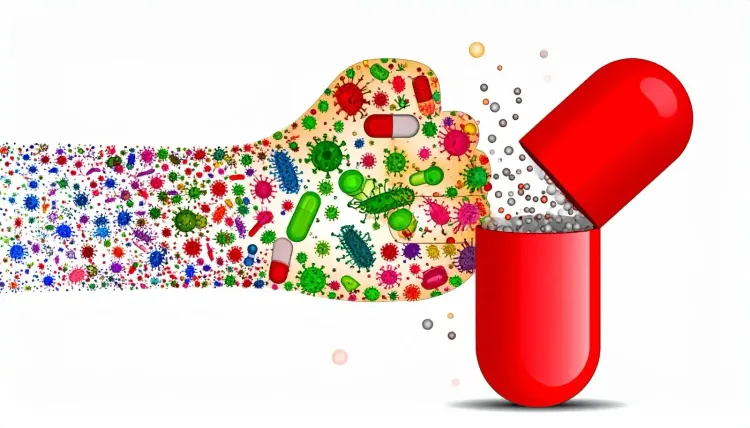
“Antimicrobial resistance signifies that the bacteria responsible for infections such as pneumonia, urinary tract infections, or sepsis are becoming resistant to the antibiotics we typically use. Previously, we believed we could treat any infection with antibiotics, but bacteria are evolving and becoming more resistant,” he elaborated.
Dr. Rajeev Jayadevan, former President of IMA Cochin and Convener of the Research Cell in Kerala, labeled AMR as a serious and silent menace threatening our healthcare framework.
“It’s a terrifying scenario where antibiotics become ineffective against bacterial infections. This concern is intensified as no new antibiotics are being introduced to our medical arsenal. Since AMR does not exhibit overt symptoms like pain or cough, it often goes unnoticed by the public. The Prime Minister’s remarks are essential for raising national awareness,” he commented to IANS.
A recent World Health Organization (WHO) report revealed that approximately one in three bacterial infections in India were resistant to commonly prescribed antibiotics in 2023, compared to one in six globally.
National AMR surveillance data further indicate alarming resistance trends in pathogens such as E. coli, Klebsiella pneumoniae, Staphylococcus aureus, and Acinetobacter baumannii.
A further study published in the Lancet eClinical Medicine journal warned that India is at the forefront of a superbug crisis, with numerous patients found to harbor multiple highly resistant organisms simultaneously.
Over 80 percent of Indian patients were reported to possess multidrug-resistant organisms (MDROs)—the highest rate worldwide.
“The message from Prime Minister Narendra Modi urging citizens to refrain from self-medication and to use antibiotics solely on a physician’s guidance is a timely and impactful public health intervention. He has emphasized AMR—a silent yet catastrophic pandemic that India cannot overlook,” stated Dr. Neeraj Nischal, Additional Professor in the Department of Medicine at AIIMS, Delhi, in a statement to IANS.
The expert elaborated that AMR is not contingent on new germs; it flourishes due to negative behaviors such as over-the-counter access, incomplete treatment courses, unnecessary prescriptions, and inappropriate use for viral illnesses.
“If antibiotics are treated as shortcuts, the long-term cost is resistance, resulting in loss of lives. The misuse of antibiotics today could lead to untreatable infections tomorrow, putting our country at a critical juncture. Every unnecessary prescription contributes to a future where easily treatable infections, routine surgeries, childbirth, and cancer therapy become significantly riskier,” Nischal warned.
Importantly, Jayadevan cautioned that the public should not presume that every instance of fever or cold necessitates antibiotics.
Experts have advised that individuals should avoid self-medication, treating antibiotics like common medications such as paracetamol or painkillers. They firmly advocate for the use of antibiotics only when properly prescribed by a healthcare professional.
When antibiotics are recommended by doctors, it’s crucial for individuals to complete the entire prescribed course.
“Medical practitioners must adhere to evidence-based prescribing practices, while pharmacists should strictly regulate prescription-only sales. Government oversight is vital, especially with rapid-commerce platforms facilitating quick antibiotic deliveries, sometimes based on hastily prepared prescriptions,” Nischal added, emphasizing that addressing AMR requires collective responsibility.
Point of View
It is imperative to recognize the urgency of PM Modi's message. This call to action not only addresses a pressing health concern but also empowers citizens to take informed decisions regarding antibiotic use. The collective responsibility in mitigating this crisis is pivotal for the future of our healthcare system.
NationPress
30 Sept 2026
Frequently Asked Questions
What is antimicrobial resistance (AMR)?
Antimicrobial resistance (AMR) occurs when bacteria develop resistance to antibiotics, making common infections harder to treat.
Why is PM Modi's message important?
His message raises awareness about the rising levels of AMR in India, urging responsible antibiotic use to prevent a health crisis.
What are the consequences of antibiotic misuse?
Misuse can lead to untreatable infections and increased resistance, making everyday medical procedures riskier.
How can the public help combat AMR?
By avoiding self-medication, completing prescribed courses of antibiotics, and consulting healthcare professionals before use.
What role does the government play in addressing AMR?
The government is crucial in enforcing regulations on antibiotic prescriptions and ensuring public awareness of AMR.