How is PM Modi Ending the 'Slavery Mindset' and Promoting Trust-Based Governance?
Synopsis
In a compelling address, PM Modi calls for a shift from colonial legacies while promoting self-reliance and trust-based governance. He highlights reforms aimed at financial inclusion and reclaiming unclaimed funds, urging citizens to shed outdated mindsets by 2035.
Key Takeaways
Trust-based governance is essential for national development.
Self-attestation will simplify official processes.
Financial inclusion is a government priority.
Reclaiming unclaimed funds supports citizens.
Overcoming colonial mindsets is crucial for progress.
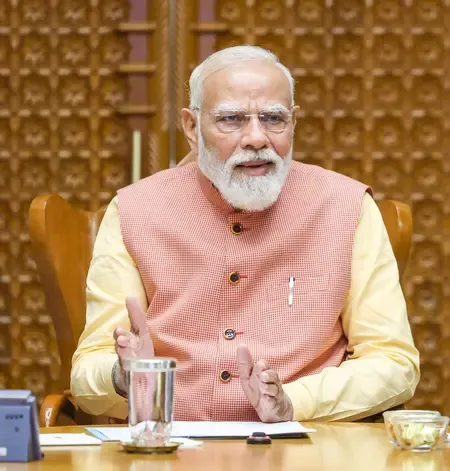
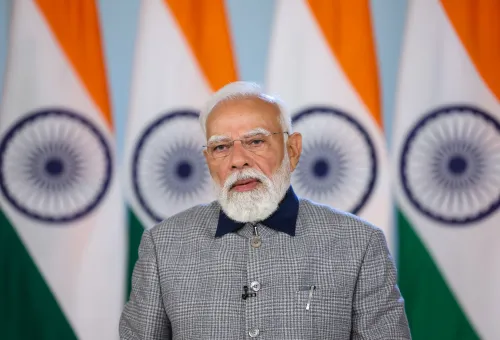
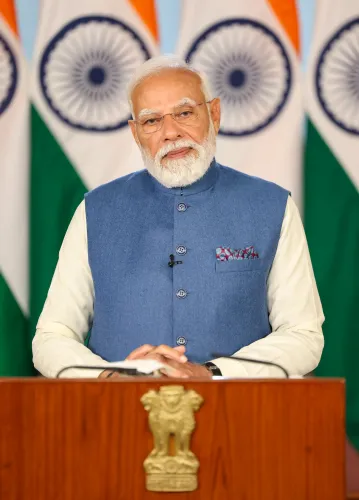
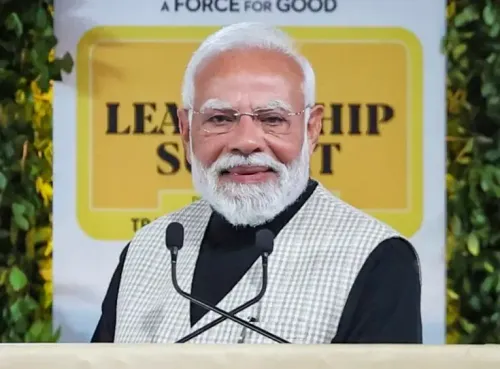
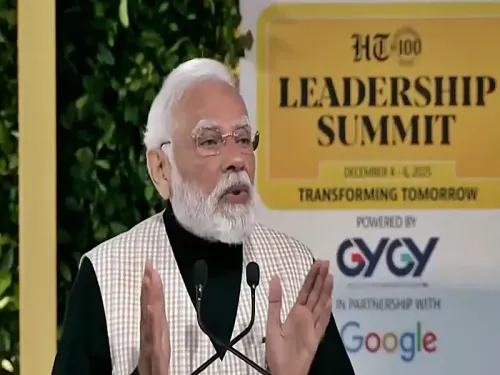
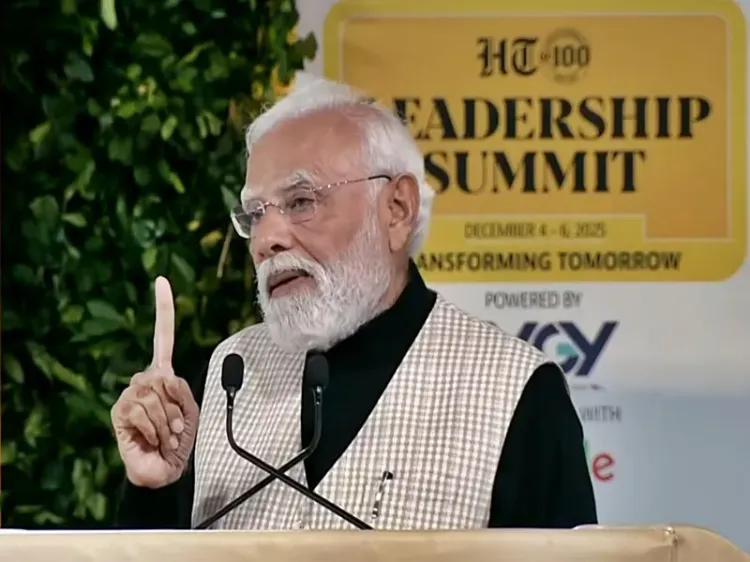
New Delhi, Dec 6 (NationPress) Prime Minister Narendra Modi articulated a transformative vision for governance based on public trust, self-reliance, and a significant departure from colonial-era mindsets during the Hindustan Times Leadership Summit 2025. He introduced the concept of self-attestation for numerous official tasks, aiming to reduce bureaucratic hurdles and empower the populace.
The proposed reforms, part of the Jan Vishwas Bill Provisions, include decriminalizing minor compliance issues to alleviate pressure on everyday citizens.
PM Modi highlighted the revolutionary effects of guarantee-free loans, revealing that Rs 37 lakh crore has already been allocated to small businesses, vendors, and economically disadvantaged groups.
“Even those seeking just Rs 1,000 are obtaining loans without guarantees. This is governance that trusts its citizens,” he stated, emphasizing financial inclusion.
Addressing the matter of unclaimed finances, the Prime Minister disclosed alarming statistics: Rs 78,000 crore languishing in banks, Rs 14,000 crore with insurance firms, Rs 3,000 crore in mutual funds, and Rs 9,000 crore in dividends.
He announced the initiation of special district-level camps to assist citizens in reclaiming their rightful earnings, with thousands of crores already returned.
“This is Modi searching for individuals to claim their hard-earned money,” the Prime Minister commented, underlining the importance of restoring public trust as the government's most valuable asset.
In a heartfelt plea, PM Modi urged citizens to discard what he termed the “Macaulay's slavery mindset” by 2035, establishing a decade-long goal to transcend colonial legacies.
With folded hands, the Prime Minister expressed: “I cannot achieve this without the support of the people of this nation. We must not replicate the paths of others; we must expand our own. Against all odds, we must progress.”
The Prime Minister’s address seamlessly intertwined economic strategies with a philosophical appeal for national confidence, highlighting trust between the government and its citizens as the foundation for India’s future development.
His underlying message was unequivocal — governance should not only foster development but also cultivate a collective spirit to transcend inherited limitations and carve an independent trajectory forward.
Point of View
It is essential to recognize the significance of PM Modi's address. His call for a break from colonial mindsets and promotion of trust-based governance resonates deeply with the aspirations of modern India. These reforms could pave the way for a more inclusive and empowered citizenry, fostering a stronger bond between the government and the people.
NationPress
30 Sept 2026
Frequently Asked Questions
What are the key reforms announced by PM Modi?
PM Modi announced several reforms, including self-attestation for official processes and the decriminalization of minor compliance issues as part of the Jan Vishwas Bill Provisions.
How much has been disbursed in guarantee-free loans?
Approximately Rs 37 lakh crore has been disbursed to small vendors and economically weaker sections through guarantee-free loans.
What is the significance of unclaimed funds?
PM Modi revealed that substantial amounts remain unclaimed in banks and insurance companies, and the government is organizing camps to help citizens reclaim these funds.
What is the 'slavery mindset' mentioned by PM Modi?
The 'slavery mindset' refers to outdated colonial attitudes that PM Modi urges citizens to overcome by 2035.
How does PM Modi plan to restore public trust?
By promoting financial inclusion and empowering citizens to reclaim unclaimed earnings, PM Modi aims to rebuild trust in governance.