Odisha issues monsoon SOP for urban bodies: drains, shelters, 24/7 control rooms
Synopsis
Odisha has issued one of its most detailed urban monsoon SOPs yet — mandating 100% manhole checks, zonal emergency officers, 24/7 control rooms, and a 72-hour road repair deadline across all Urban Local Bodies. With dengue and waterlogging recurring every season, the real question is whether ground-level execution matches the directive's ambition.
Key Takeaways
The Odisha Housing and Urban Development Department issued a monsoon SOP to all Urban Local Bodies (ULBs) on 6 May 2025 .
ULBs must complete 100% verification of all drainage systems and manholes before the monsoon season.
Damaged urban roads must be restored to motorable condition within 72 hours .
A 24/7 control room will be set up in every ULB for real-time monsoon emergency response.
Multi-purpose Cyclone Shelters , schools, and colleges will serve as temporary relief centres with water, sanitation, and power.
ULBs directed to intensify fogging and larvicide application to prevent dengue and malaria outbreaks.
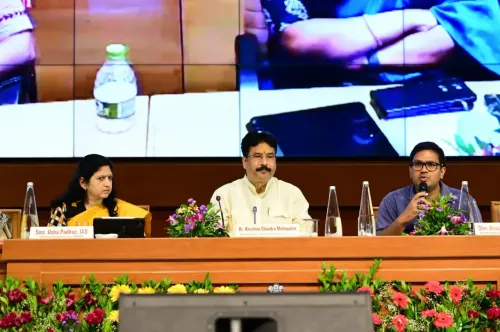
The Odisha Housing and Urban Development Department has issued a comprehensive Standard Operating Procedure (SOP) to all Urban Local Bodies (ULBs) across the state, mandating a wide range of preparedness measures ahead of the 2025 monsoon season. The directive, issued on 6 May under the direction of Housing and Urban Development Minister Krushna Chandra Mahapatra, requires officials to implement the guidelines in letter and spirit, with any lapse to be viewed with serious concern by the state government.
Key Drainage and Flood Prevention Mandates
ULBs have been directed to undertake 100 per cent verification of all drainage systems, including manholes, to ensure public safety ahead of heavy rainfall. Damaged manholes must be repaired or securely covered immediately, while temporary safety measures — including warning signage and protective nets — must be installed wherever repairs are pending.
Regular desilting of drains and strict removal of encroachments obstructing natural water flow have been made compulsory. The department has also identified vulnerable and low-lying zones for targeted intervention, with adequate deployment of pump sets and Diesel Generator (DG) sets to facilitate rapid de-watering during waterlogging events.
Zonal Response and Emergency Infrastructure
Urban areas will be systematically divided into operational zones, each under the supervision of designated officers responsible for emergency response and on-ground coordination. This zonal structure is intended to ensure faster, more accountable action during monsoon exigencies — a recurring governance challenge for Odisha's rapidly expanding urban centres.
Multi-purpose Cyclone Shelters and public institutions such as schools and colleges will function as temporary relief centres, equipped with safe drinking water, sanitation, and uninterrupted power supply. Special emphasis has been placed on safeguarding vulnerable groups, with lady home guards and adequate security personnel deployed for women, children, and the elderly.
Public Health and Vector-Borne Disease Control
Public health remains a central concern, particularly the prevention of vector-borne diseases such as dengue and malaria, which spike during and after the monsoon. ULBs have been directed to intensify fogging operations, apply larvicides regularly, and strictly monitor water stagnation and waste dumping in drains to minimise outbreak risks.
Control Rooms and Road Restoration Timelines
A 24/7 control room will be established in every ULB to handle real-time issues related to water supply, drainage, and road blockages. Damaged urban roads must be restored to motorable condition within 72 hours of damage — a firm timeline that signals the government's intent to minimise civic disruption during the season.
The state government has also urged citizens to cooperate with local authorities in maintaining cleanliness, preventing drain blockages, and supporting community-level preparedness. With the monsoon expected to arrive in the coming weeks, the effectiveness of these directives will depend heavily on ground-level execution by individual ULBs across Odisha.
Point of View
But the state has issued similar circulars in previous years with uneven results on the ground. The 72-hour road repair deadline and the 24/7 control room mandate are measurable commitments — but without a public accountability mechanism, they risk becoming paper targets. The focus on vector-borne disease prevention is timely, given that dengue cases in Odisha have risen in post-monsoon periods in recent years. The real test will be whether smaller, under-resourced ULBs can match the preparedness levels of larger municipal corporations like Bhubaneswar and Cuttack.
NationPress
21 Sept 2026
Frequently Asked Questions
What is the Odisha monsoon SOP issued to Urban Local Bodies?
It is a comprehensive Standard Operating Procedure issued by the Odisha Housing and Urban Development Department on 6 May 2025, directing all Urban Local Bodies to undertake drainage checks, set up 24/7 control rooms, designate zonal officers, and activate relief shelters ahead of the monsoon season.
Who issued the monsoon SOP in Odisha and under whose direction?
The SOP was issued by the Odisha Housing and Urban Development Department under the direction of Minister Krushna Chandra Mahapatra. Officials have been mandated to implement the guidelines in letter and spirit, with lapses to be treated seriously.
What are the key mandates for Urban Local Bodies under the SOP?
ULBs must verify 100% of drainage systems and manholes, desilt drains, remove encroachments, deploy pump sets in low-lying areas, set up 24/7 control rooms, restore damaged roads within 72 hours, and intensify fogging and larvicide operations to prevent vector-borne diseases.
How will vulnerable citizens be protected during the monsoon?
Multi-purpose Cyclone Shelters, schools, and colleges will serve as temporary relief centres equipped with drinking water, sanitation, and power. Lady home guards and security personnel will be deployed specifically to protect women, children, and the elderly.
What is the deadline for road restoration under the Odisha monsoon SOP?
Damaged urban roads must be restored to motorable condition within 72 hours of damage occurring, according to the SOP issued on 6 May 2025.