Amit Shah: PM-VBRY creates 15 lakh jobs, Rs 2400 cr disbursed
Synopsis
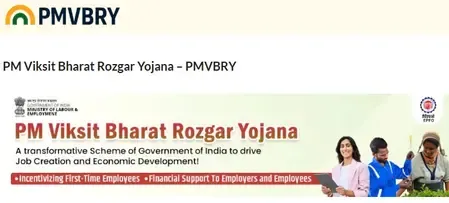
Union Home Minister Amit Shah announced on June 19, 2026, that the Pradhan Mantri Viksit Bharat Rozgar Yojana has created over 15 lakh jobs. Prime Minister Modi simultaneously disbursed ₹2,400 crore under the scheme, which carries a total outlay of ₹99,446 crore and targets 3.5 crore jobs.
Key Takeaways
PM-VBRY has generated over 15 lakh jobs since its launch, according to Union Home Minister Amit Shah .
Prime Minister Modi disbursed ₹2,400 crore under the scheme on June 19, 2026 .
The scheme has a total sanctioned outlay of ₹99,446 crore .
The overall employment target under PM-VBRY is 3.5 crore jobs .
The initiative is positioned as a cornerstone of the government's Viksit Bharat (Developed India) agenda.
Future allocations and targets are expected to be reviewed in the next Union Budget .
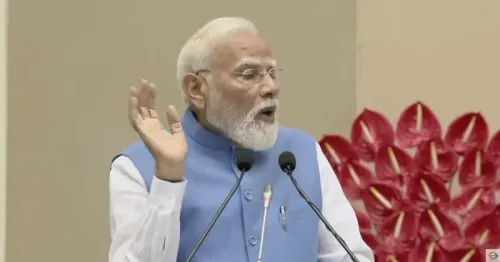
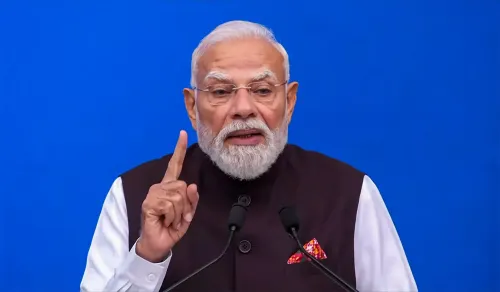
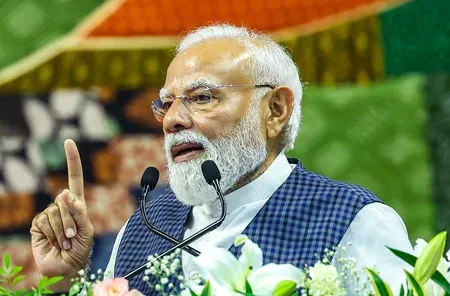
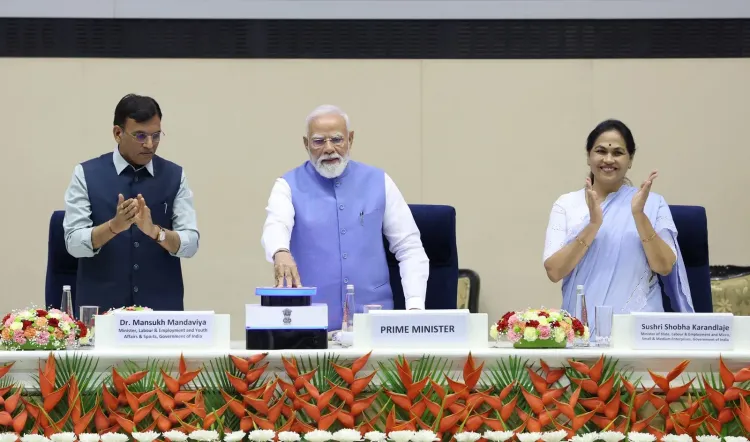
Union Home Minister Amit Shah on Friday, June 19, 2026, highlighted that the Pradhan Mantri Viksit Bharat Rozgar Yojana (PM-VBRY) has so far generated over 15 lakh jobs, and that Prime Minister Narendra Modi disbursed ₹2,400 crore under the scheme on the same day.
Context
Shah posted on X in Hindi, stating that PM-VBRY is proving to be a 'milestone' (meel ka patthar) in making the country's youth self-reliant through employment. He noted that over 15 lakh jobs have been created under the scheme so far, and that Modi disbursed ₹2,400 crore for the initiative on Friday. The scheme carries a total outlay of ₹99,446 crore and is targeted at generating more than 3.5 crore jobs across the country.
The Home Minister framed the scheme as a pillar of the government's broader 'Viksit Bharat' (Developed India) agenda, describing it as a vehicle to economically empower India's youth and accelerate the nation's development journey.
Policy Backdrop
Employment generation has been a recurring priority for successive central governments. The Pradhan Mantri Rojgar Protsahan Yojana, launched in 2016, had similarly sought to incentivise formal job creation by subsidising employer contributions. PM-VBRY appears to build on this lineage, combining direct job creation targets with financial disbursements to employers or beneficiaries.
With a sanctioned corpus of ₹99,446 crore, PM-VBRY is among the larger employment-linked schemes announced by the NDA government. The ₹2,400 crore disbursed on Friday represents a tranche release under this larger multi-year outlay, consistent with the government's practice of periodic fund transfers tied to verified job creation milestones.
Stakeholders and Impact
The primary beneficiaries are Indian youth entering the formal workforce, particularly first-time job seekers and those in the organised sector. Reaching the 3.5 crore job target would represent a significant addition to formal employment rolls, with downstream effects on household incomes, tax contributions, and social security coverage.
Employers — especially small and medium enterprises — are also key stakeholders, as employment-linked incentive schemes typically reduce the cost of onboarding new workers. The scale of the scheme means its performance will be closely tracked by Parliament, industry bodies, and labour economists.
What's Next
The scheme's progress will likely feature in the next Union Budget speech, where supplementary allocations or revised targets could be announced based on absorption of earlier tranches. Periodic performance reports tabled in Parliament will be the primary mechanism for public accountability on job-creation numbers.
With 15 lakh jobs created against a target of 3.5 crore, the government faces the task of scaling implementation significantly. The pace of future disbursements and independent verification of job figures will determine whether PM-VBRY cements its place as a landmark employment initiative under the Viksit Bharat framework.
Point of View
Timed to coincide with the ₹2,400 crore disbursement — a pattern the BJP has used consistently to reinforce its employment narrative ahead of political cycles. The framing around 'Viksit Bharat' signals that PM-VBRY is being positioned not merely as a welfare scheme but as a structural pillar of the government's 2047 development vision. With only 15 lakh of a 3.5 crore target achieved, the announcement also implicitly acknowledges the distance still to travel, making future disbursement tranches politically consequential. Independent verification of job figures and their quality — formal versus informal, sustained versus short-term — will be the real test of the scheme's legacy.
NationPress
24 Sept 2026
Frequently Asked Questions
What is PM Viksit Bharat Rozgar Yojana (PM-VBRY)?
PM-VBRY is a central government employment generation scheme with a total outlay of ₹99,446 crore, aimed at creating over 3.5 crore jobs for Indian youth as part of the Viksit Bharat initiative.
How many jobs has PM-VBRY created so far?
According to Union Home Minister Amit Shah, PM-VBRY has created over 15 lakh jobs as of June 19, 2026.
How much money did PM Modi disburse under PM-VBRY on June 19, 2026?
Prime Minister Narendra Modi disbursed ₹2,400 crore under PM-VBRY on June 19, 2026.
What is the total budget of PM-VBRY?
The total sanctioned cost of PM-VBRY is ₹99,446 crore, making it one of the larger employment-linked schemes of the NDA government.
What is the employment target under PM-VBRY?
PM-VBRY targets the creation of more than 3.5 crore jobs across India, with the goal of economically empowering the country's youth.